Kootenai County town hall to address kratom dangers and overdoses
Kootenai County leaders will face questions Thursday night after the coroner linked kratom to four overdose deaths last year and warned more deaths are likely in 2026.

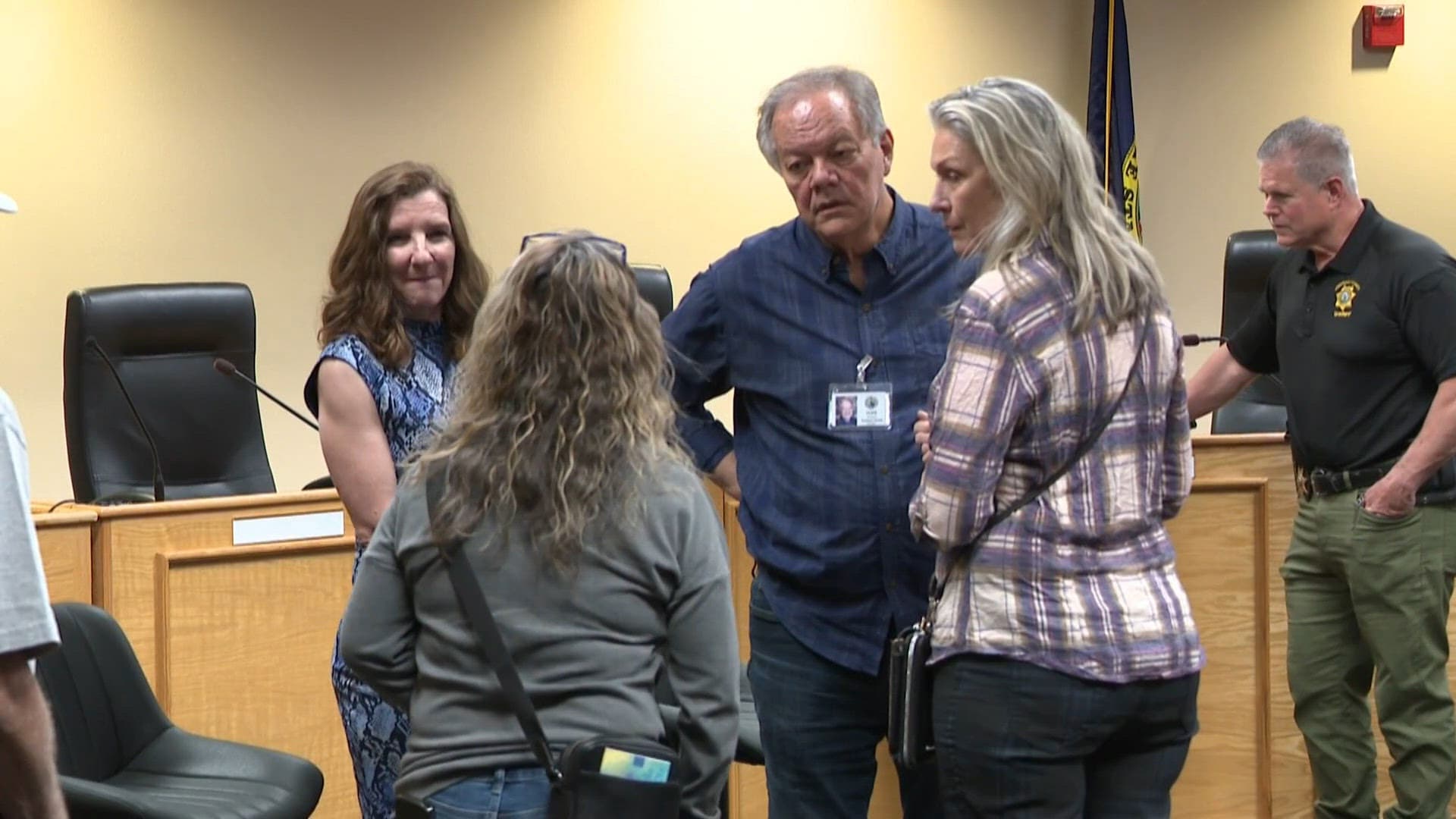
Kootenai County officials will put the rising kratom threat in front of residents at a public safety town hall Thursday evening, with Sheriff Robert B. Norris, Commissioner Leslie Duncan and Coroner Dr. Duke Johnson expected to face questions about what comes next. The county is framing the meeting as an opportunity for an open discussion about dangerous forms of kratom in Kootenai County, but the sharper test will be whether leaders can show what evidence they have, how they plan to respond and whether any policy changes are on the table.
The Public Safety Town Hall Meeting is scheduled for June 11 at 6:00 p.m. at the Kootenai County Administration Building. County materials say Norris is hosting the event in partnership with Duncan and Johnson, and the sheriff’s office says community members are invited to hear from public safety officials and take part in the discussion. For families in Coeur d’Alene, Worley and across the county, the most urgent question is whether the meeting will move beyond warnings and into specific action.

Johnson has already raised the alarm publicly. He said four people in Kootenai County died of an overdose last year with kratom in their system, and he expected there would be more kratom-related deaths in 2026. That warning matters because it ties the issue to local mortality, not just abstract drug policy. Residents will be looking for the county to explain how those deaths were classified, what toxicology showed and whether the cases reveal a pattern that can be interrupted.
The concern has also widened beyond county lines. Panhandle Health District issued a kratom warning citing deaths in Kootenai County, and reporting tied the county to a national map of kratom-related EMS encounters from the National Drug Early Warning System. That suggests the problem is showing up not only in fatal overdoses but also in emergency calls, adding pressure on hospitals, first responders and prevention workers.
At the same time, kratom and its derivatives are not currently regulated by the federal government or by state governments in Washington and Idaho, according to the warning cited in reporting. That gap leaves local officials with a hard choice: whether to rely on education and emergency response alone, or to push for broader policy action. Thursday’s town hall will show whether Norris, Duncan and Johnson have a plan that matches the urgency of the cases already hitting Kootenai County.
This article was produced by Prism’s automated news system from verified source data, official records, and press releases, then run through automated quality and moderation checks before publishing. The system is built and supervised by the people who set the standards it runs under. Read our full AI policy.
Know something we missed? Have a correction or additional information?
Submit a Tip