Kootenai Environmental Alliance makes climate change feel local
Kootenai Environmental Alliance shifted focus to local climate impacts, publishing reports and launching events to help residents understand risks to water, recreation and the economy.
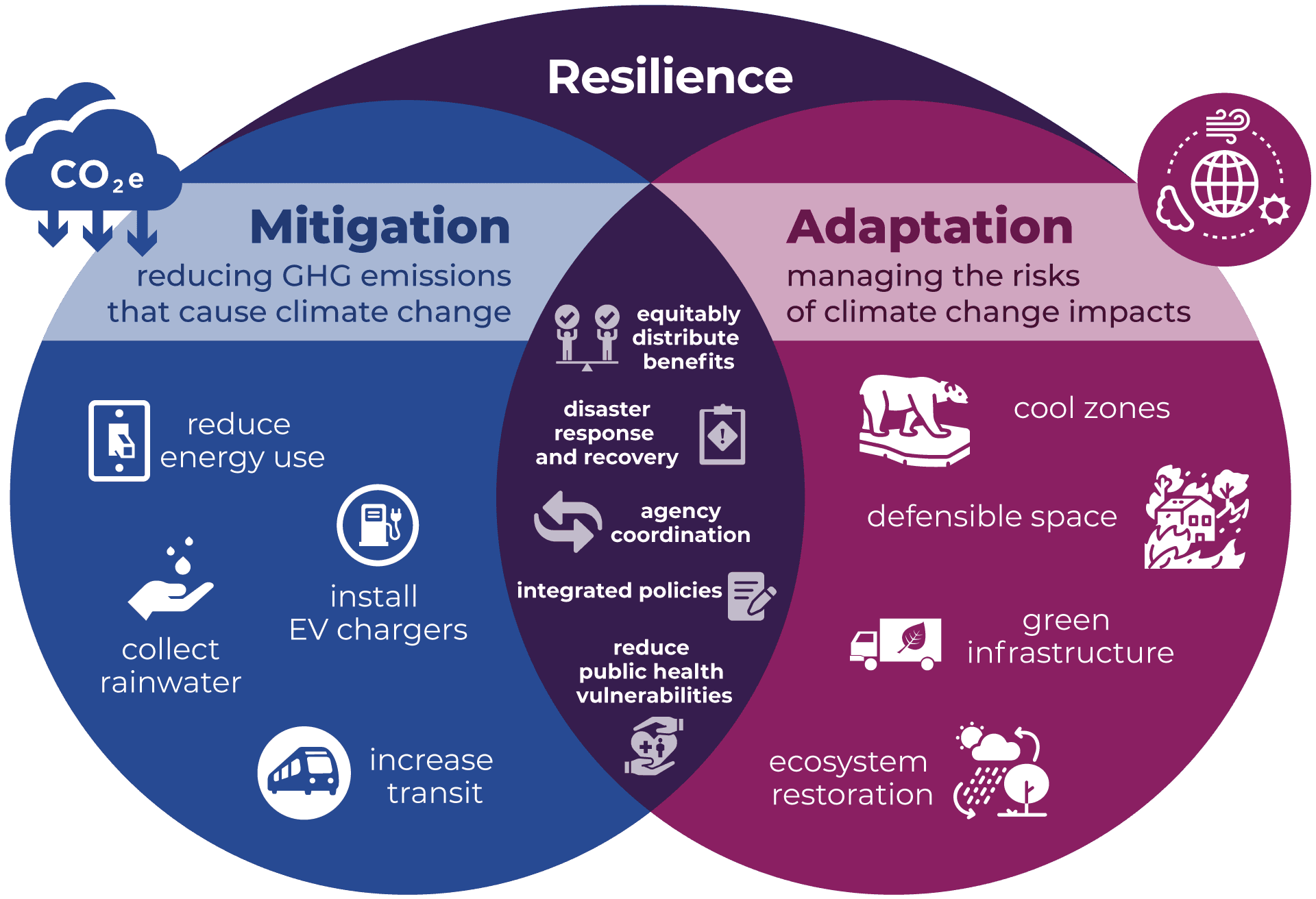
The Kootenai Environmental Alliance has shifted its longtime conservation mission toward making climate change tangible for North Idaho residents, stepping up local data production, community education and advocacy. Over the past year the group published a detailed local adaptation report, deepened partnerships with the Coeur d’Alene Tribe and launched community-facing programs including a film series to bring climate impacts into everyday conversation.
The centerpiece of the effort is the Coeur d’Alene Climate Adaptation Project, produced by KEA’s Climate Action Team and published in May 2024. The report documents rising temperatures in Coeur d’Alene and lays out specific, locally relevant impacts: reduced snowpack, earlier runoff timing, warmer lakes and streams, higher risk of harmful algal blooms, and cascading threats to fisheries, hydropower and tourism. Those trends matter for residents whose livelihoods and recreation depend on predictable water flows, cold-water fisheries and summer lake conditions.
KEA is Idaho’s oldest nonprofit conservation organization, founded in 1972 and incorporated in 1974, and has spent more than 50 years challenging illegal timber sales, shaping land-use planning and protecting regional watersheds. The organization’s new emphasis on climate conservancy and education reframes those same protections around future climate risks rather than only past land-management fights. Producing local data and translating it for the community aims to reduce abstraction and make policy debates about development, forest management and water infrastructure more grounded in measurable local trends.
The market and policy implications for Kootenai County are concrete. Earlier runoff and reduced snowpack can shrink summer hydropower generation windows and increase pressure on irrigation and municipal supplies, with downstream effects for electricity pricing, farm operations and municipal budgets. Warmer lakes and algal blooms threaten summer tourism and guide-based fishing economies that support lodging, restaurants and retail in Coeur d’Alene and along the lake. As KEA partners with the Coeur d’Alene Tribe on environmental education, those efforts could also influence local land-use decisions and state-level conversations about water management and forest policy.
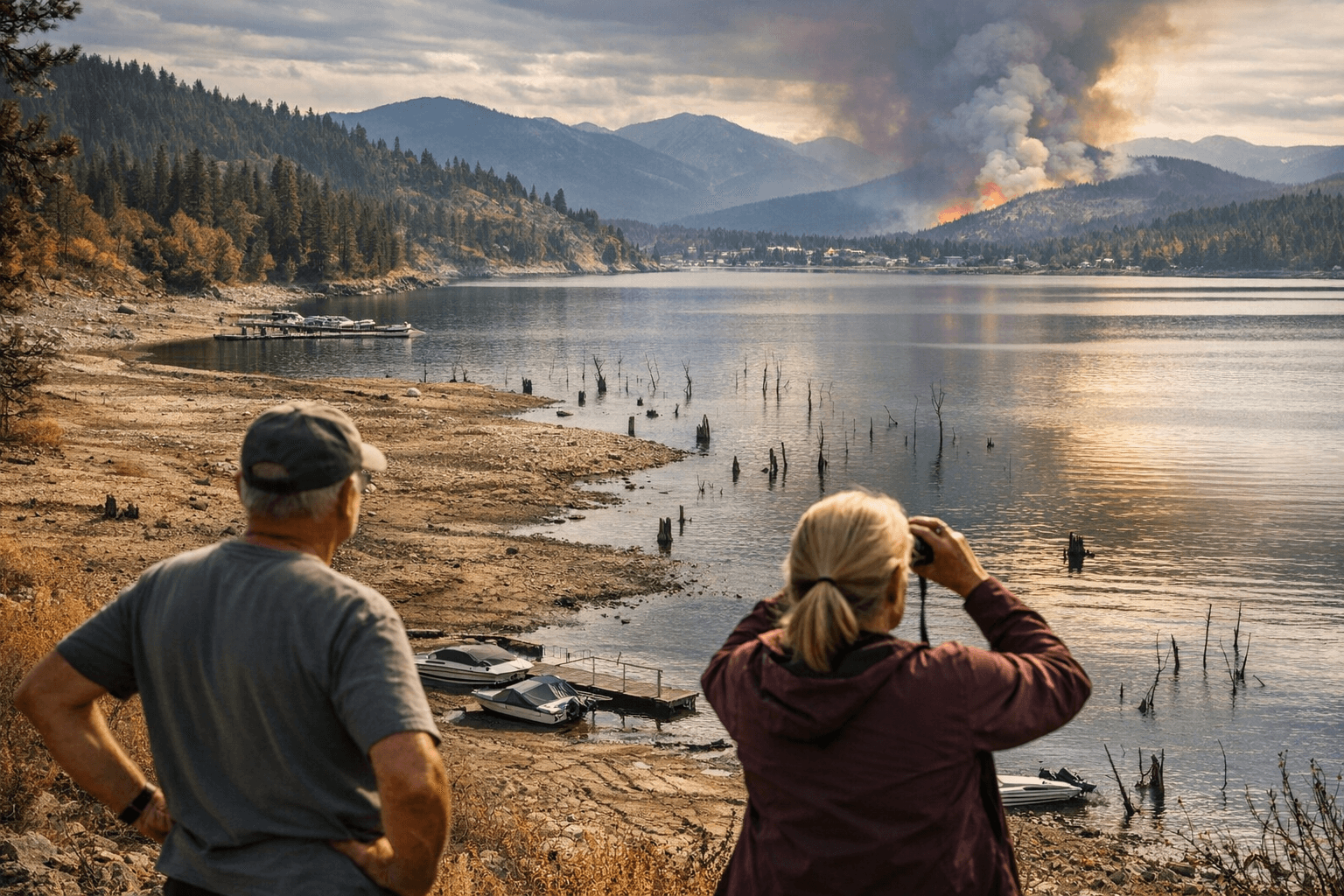
For residents, the shift means more local briefings and opportunities to see how regional climate trends intersect with everyday choices from property maintenance to business planning. KEA’s creative outreach - including public events and a film series - is designed to make technical findings accessible and actionable for anglers, boaters, irrigators and municipal planners alike.
This pivot is a watershed moment in North Idaho conservation: by pairing decades of local environmental work with targeted climate analysis and community outreach, KEA aims to move conversations from abstract projections to practical steps. Expect more community events, local data releases and a stronger role for tribal and civic partnerships as the county adapts to those changing conditions.
This article was produced by Prism’s automated news system from verified source data, official records, and press releases, then run through automated quality and moderation checks before publishing. The system is built and supervised by the people who set the standards it runs under. Read our full AI policy.
Did this article answer your question?