Kootenai Health resident finds purpose in family medicine training
Kootenai Health has kept 21 of 30 family medicine graduates in Idaho, and Hannah Wheeler is training to see if she’ll join them in North Idaho.

Kootenai Health’s family medicine residency has already sent 21 of its 30 graduates into Idaho, and all but two have stayed in the Idaho Panhandle. That retention record now runs through Hannah Wheeler, a Coeur d’Alene-area native who is entering her second year at the Kootenai Clinic Family Medicine Residency while the county still wrestles with getting enough primary care close to home.
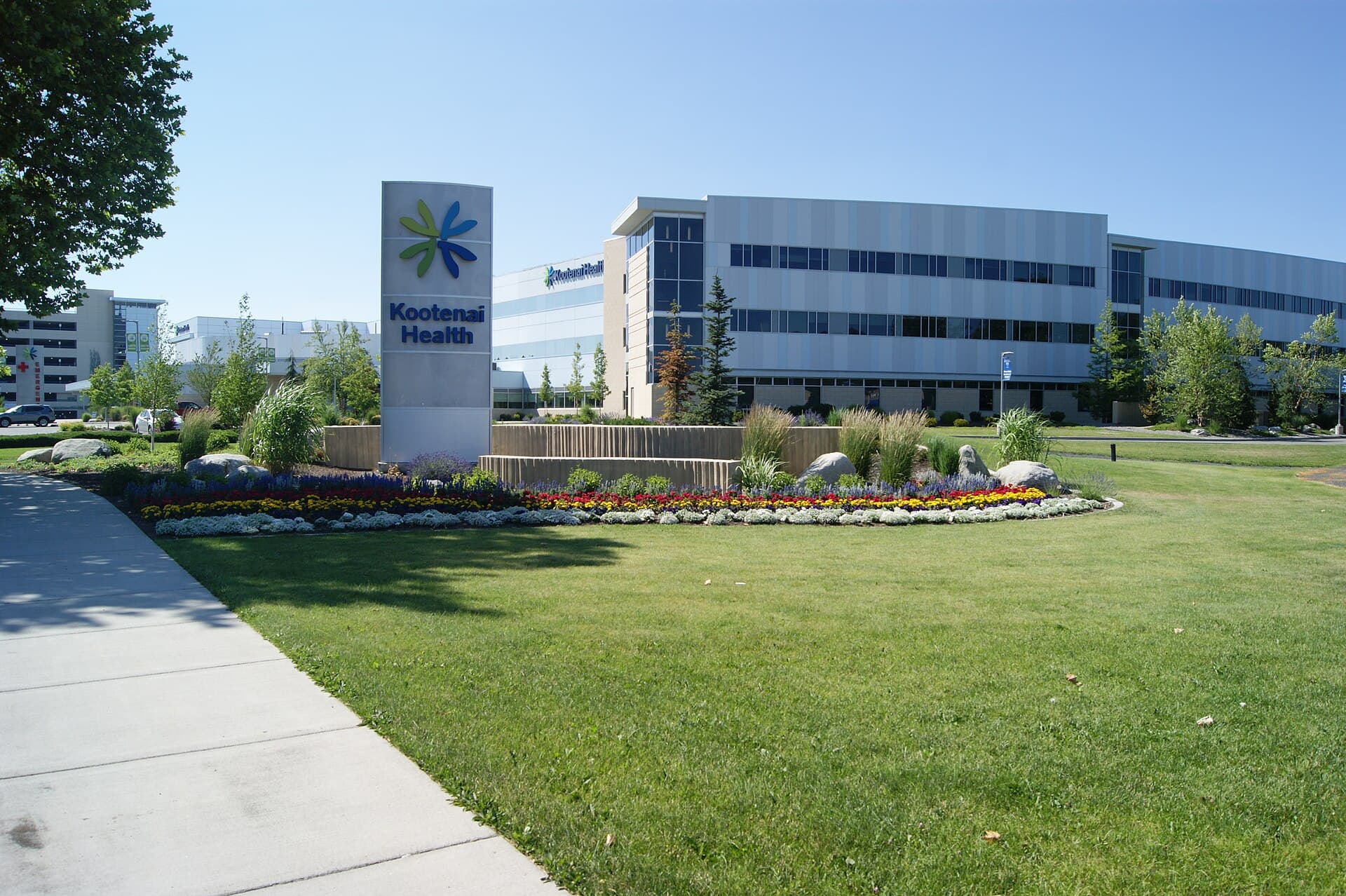
Wheeler is training in a three-year, ACGME-accredited, unopposed program affiliated with the University of Washington Family Medicine Residency Network. It is the only family medicine residency in North Idaho and one of only a handful in Idaho, housed at 1919 Lincoln Way, Suite 315, in Coeur d’Alene, at Kootenai Health’s 381-bed, community-owned hospital. Program director Jonathan Shupe has said he is proud to be part of northern Idaho’s first residency program and wants to help shape the future of health care in the state.
Her path back to North Idaho gives the program a personal dimension. Wheeler studied at the Medical College of Wisconsin before returning toward her Coeur d’Alene roots, and she has said her great-grandparents were family physicians in the area for 40 years. That family history mirrors the way residency leaders talk about the program’s mission: not just teaching doctors, but building a workforce that will remain in the region.
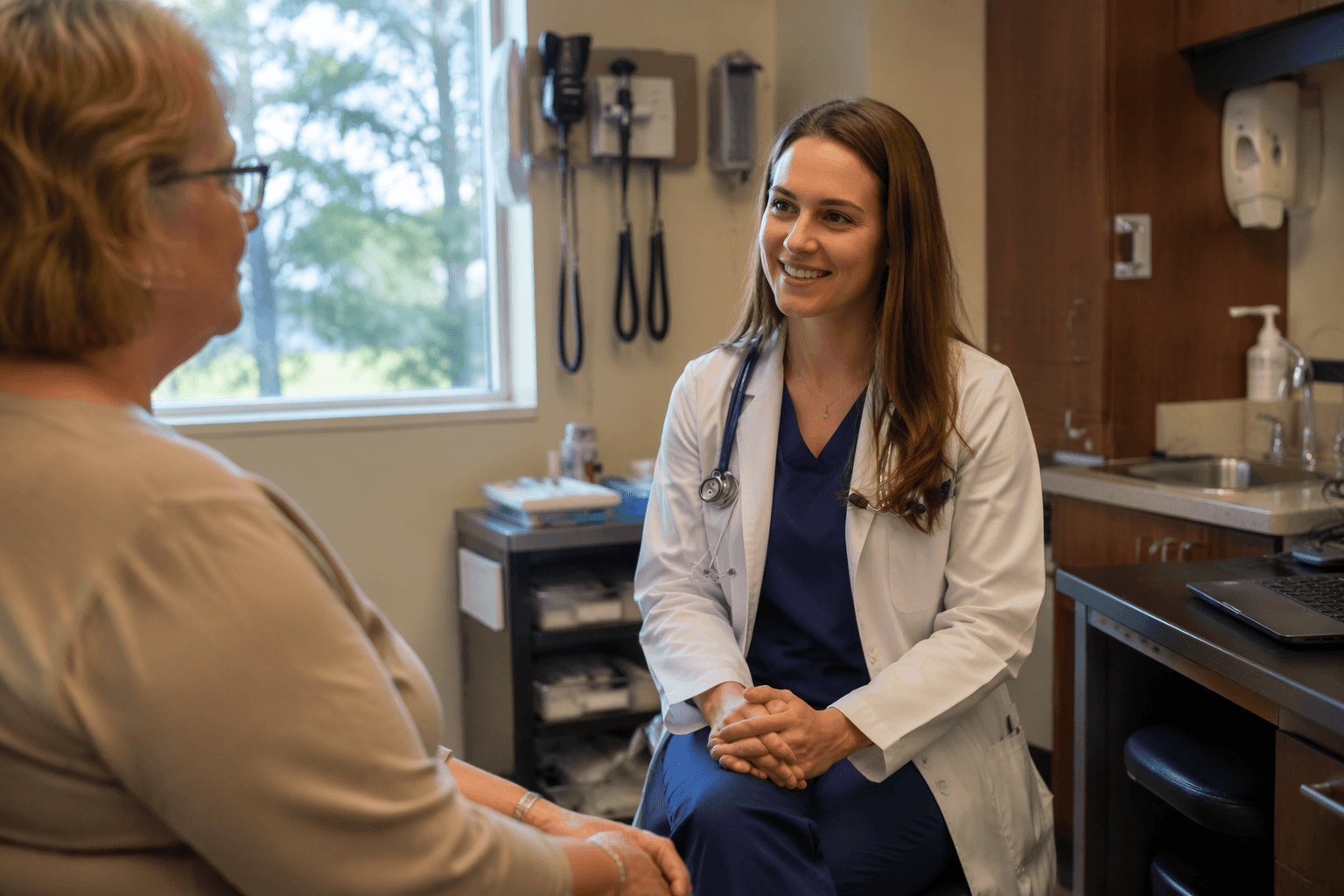
The training itself is built around breadth, not a narrow specialty lane. Wheeler has described rotations that expose residents to prenatal care, sports medicine, pediatrics and other areas before they decide what kind of practice they want to build. She also works with a clinical pharmacist, a reminder that family medicine now includes insurance navigation and care pathways as much as diagnosis and treatment.
That matters in Idaho, where the Department of Health and Welfare says geography and distance strongly affect access to care in a mostly rural state. The agency says rural residents tend to be older, have higher poverty and uninsured rates, and lower per-capita income than urban residents. Its workforce materials also say a physician supports an estimated 12 jobs and about $1.9 million in economic benefits, which makes every doctor who stays in Idaho a workforce issue and an economic one.
The latest University of Washington rural health data brief put Kootenai County at 62.1 family physicians per 100,000 people in 2025, above Idaho’s 48.7 overall. Rural counties statewide stood at 66.4 family physicians per 100,000, compared with 48.1 in urban counties, but statewide primary care clinician density still trails the U.S. average. Wheeler’s time in Coeur d’Alene, Sandpoint and Spokane is part of the effort to teach residents how care changes from place to place, and whether a training program in North Idaho can turn into longer lines of local doctors who stay.
This article was produced by Prism’s automated news system from verified source data, official records, and press releases, then run through automated quality and moderation checks before publishing. The system is built and supervised by the people who set the standards it runs under. Read our full AI policy.
Did this article answer your question?