KTEC event lets 550 students try trades, meet local employers
Nearly 550 Kootenai County students tested trades at KTEC as local employers hunted for welders, caregivers and other workers.
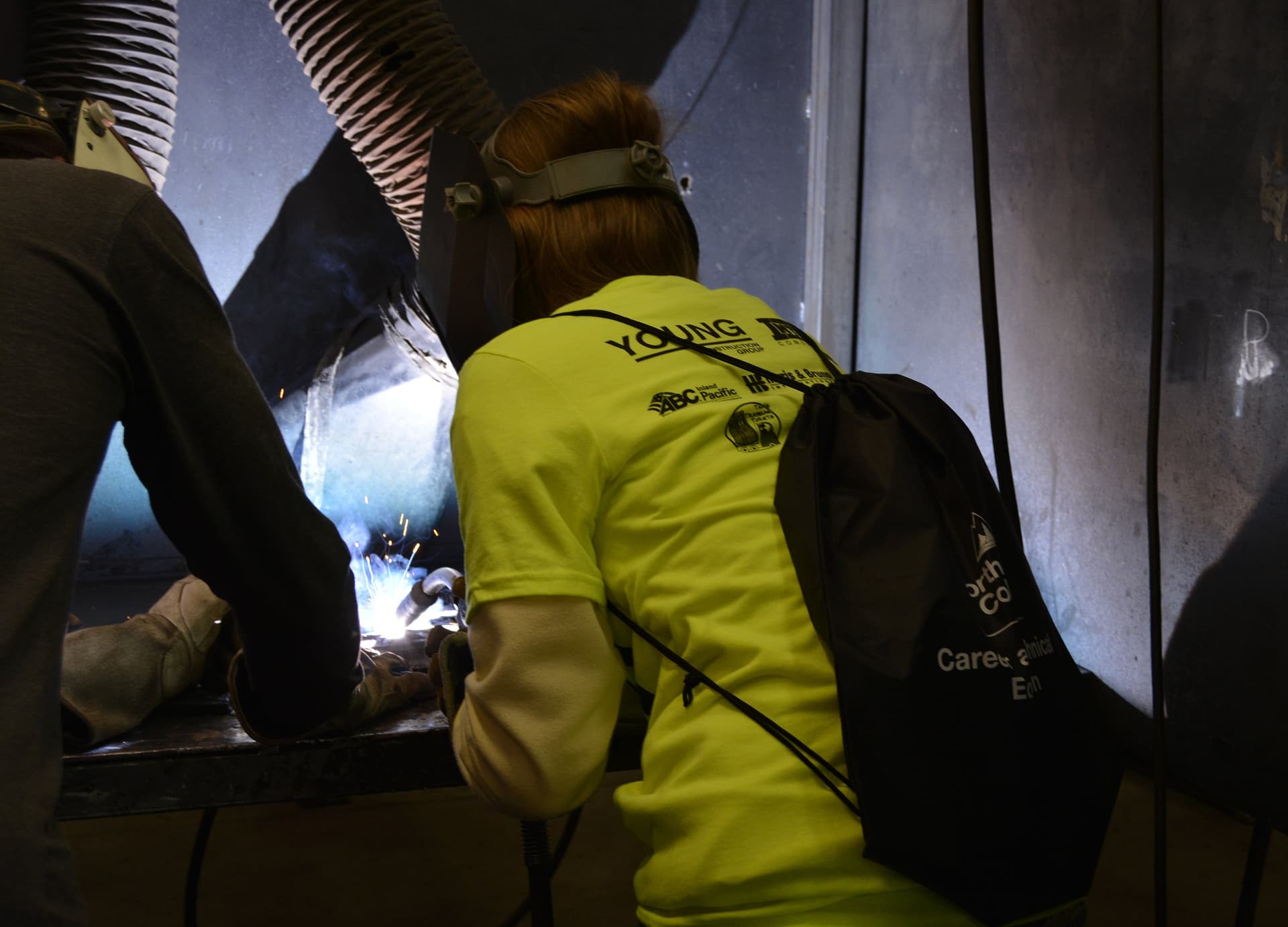
Behind the controls of a logging processor at Kootenai Technical Education Center in Rathdrum, Lakeland High School student Tiegan Black Eagle-Seres got a taste of the kind of work North Idaho employers say they need right now. With Brad Gordon of Lake City Logging guiding him, the scene turned Hard Hats, Hammers, Healthcare and Hot Dogs into more than a career fair. It became a direct line from school to a paycheck.
The April 23 event drew nearly 550 high school students from regional schools, giving them a chance to try equipment, watch demonstrations and meet people already working in construction, health care and the skilled trades. KTEC and North Idaho College’s Parker Technical Education Center joined high schools and industry partners to put students close to the work itself, a format designed to show what local jobs actually look like before graduation day arrives.
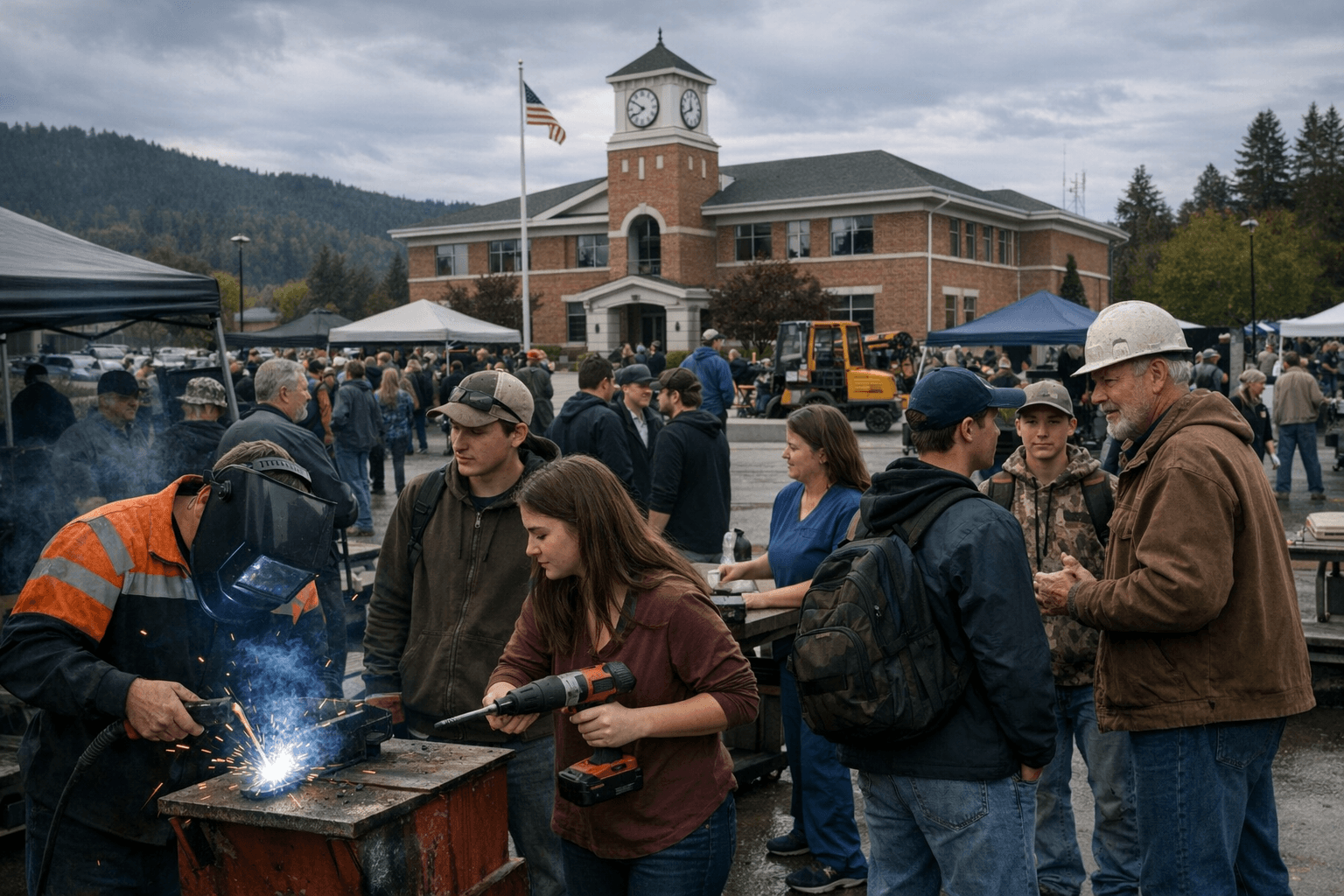
For families, that matters because the trades can offer a faster route into steady income without a four-year degree. For businesses, it matters because every student who gets curious about welding, heavy equipment or health care is a possible answer to the labor shortages that have tightened across Kootenai County and the wider Inland Northwest. Kootenai Health, the 397-bed community-owned hospital in Coeur d’Alene, was part of the broader workforce picture behind the event, underscoring that the pipeline is not just about construction. It also includes nurses, technicians and other health care workers who keep local services running.
Regional economist Josh Wise of the Panhandle Area Council said demand for skilled trades has stayed strong since at least 2024. He said the Inland Northwest has nearly twice the national concentration of construction workers, construction is the region’s third-largest employer and a worker in the trades can earn close to the region’s median household income of about $77,000. He also pointed to retirements and a smaller incoming workforce as reasons employers are under pressure. Wise said career-technical education is no longer a backup plan: “Today both pathways can lead to strong careers.”
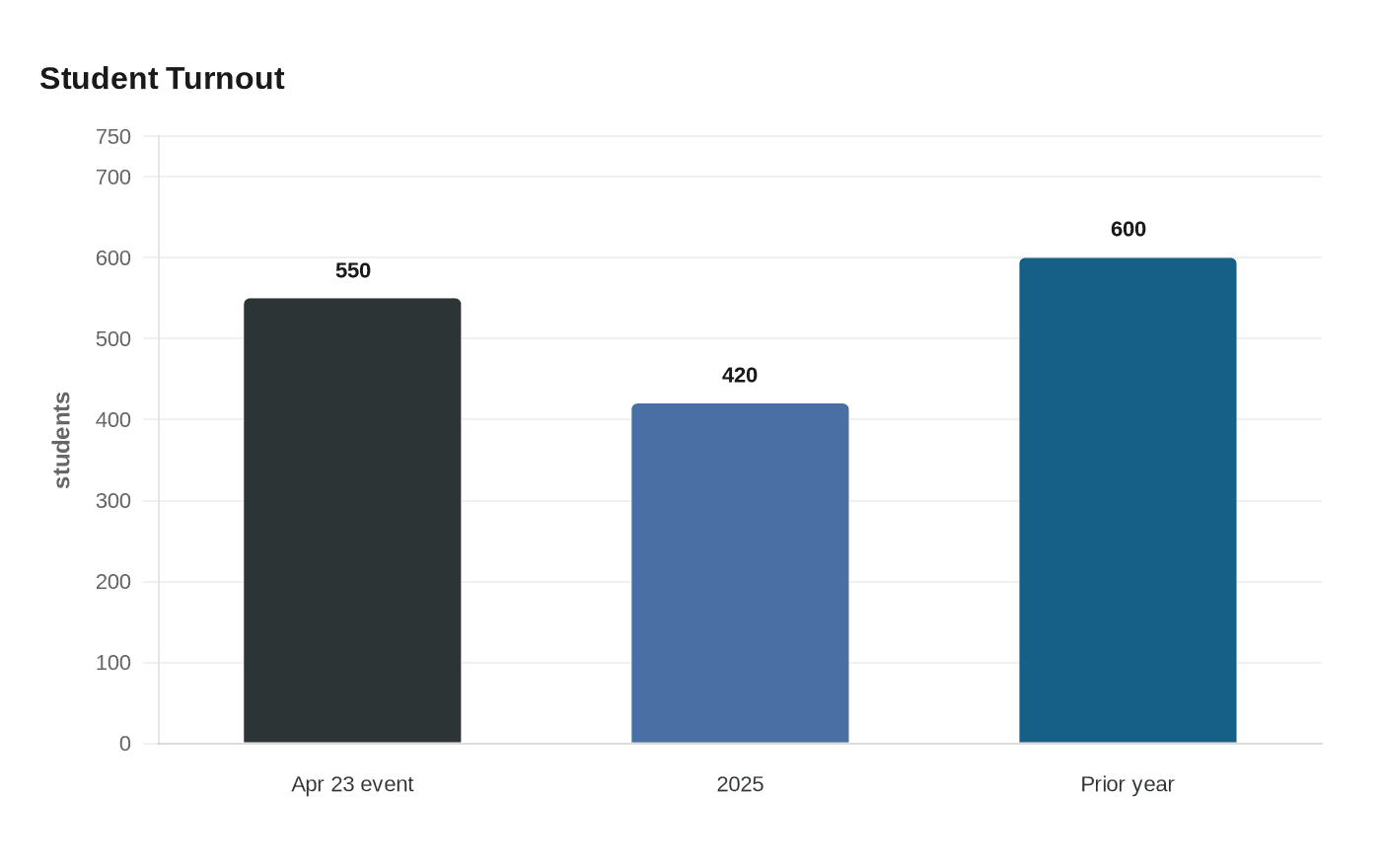
The event has grown into a regional fixture. In 2025, more than 420 students and 30 area companies took part, the biggest student turnout at the time. The year before that, more than 600 ninth- and tenth-graders arrived by bus, received safety orientation and personal protective equipment, then toured the campus and industry displays. By 2026, Hard Hats, Hammers, Healthcare and Hot Dogs had become one of Kootenai County’s clearest examples of how schools and employers are building a local workforce before the shortage gets worse.
This article was produced by Prism’s automated news system from verified source data, official records, and press releases, then run through automated quality and moderation checks before publishing. The system is built and supervised by the people who set the standards it runs under. Read our full AI policy.
Did this article answer your question?


