Lecture series explains how Kootenai County court system works
Kootenai County’s courthouse centennial is becoming a civics lesson, with court leaders explaining how the First Judicial District works in everyday life.
Kootenai County’s courthouse centennial is being used for something more practical than nostalgia: a public lesson in how justice actually moves through the First Judicial District. The next installment in the Russ Brown Lecture Series brings together judges, court staff and bailiffs to show how the courthouse works as a living institution, not just a landmark in downtown Coeur d’Alene.
A centennial program with a civic purpose
The lecture series was announced in January 2026 by county commissioners and the Kootenai County Historic Preservation Commission to mark the courthouse’s 100th anniversary. That building, built in 1925 and 1926 and dedicated in December 1926, has spent a century at the center of county government, and the anniversary program is treating that fact as a present-day story about law, public access and civic identity.
The series is named for Russ Brown, a longtime member of the county Historic Preservation Commission who died in 2025. That choice gives the program a local character that goes beyond ceremony: the centennial is tied to the people who have spent years protecting county memory while also explaining why the courthouse still matters now.
What the June 23 lecture covers
The fifth lecture in the series is scheduled for Tuesday, June 23, at 5:30 p.m. in Courtroom 1 upstairs at the historic Kootenai County Courthouse. It is built to be a practical overview of the court system, with a focus on the First Judicial District and its day-to-day operations.
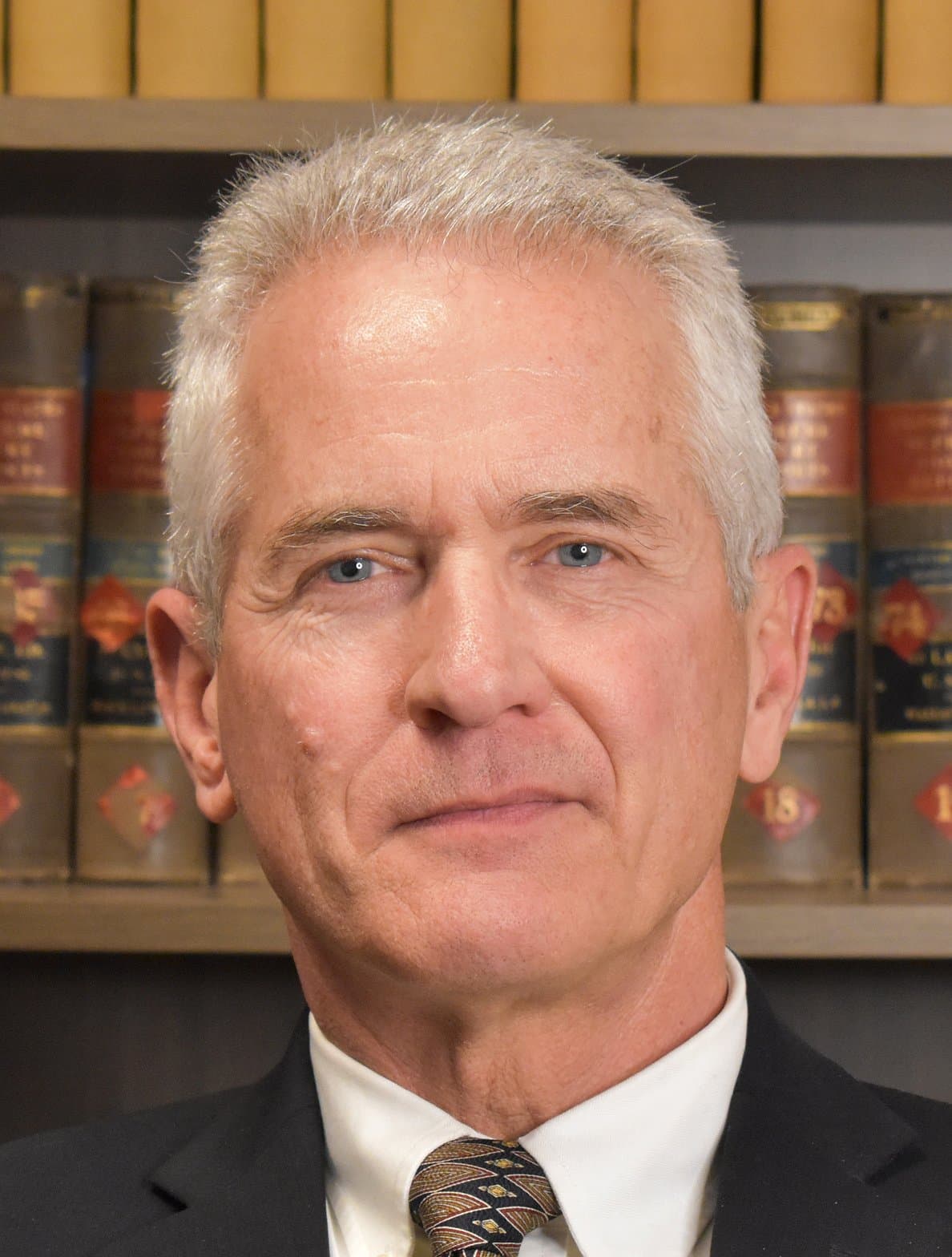
The presenters reflect that practical aim. Retired Judge Barry McHugh will bring a long legal career that included work as a prosecuting attorney in Coeur d’Alene and Kootenai County, service with the Attorney General’s office and the U.S. Attorney’s Office, private practice, and later work as a Kootenai County prosecutor and then a district judge. Lisa Chesebro, the trial court administrator, Angela Reynolds, the treatment court program manager, Dave Boyer, the First District Court bailiff, and Jake Decker, the First Judicial District Court assistant officer, round out a panel that covers both courtroom process and the people who keep it moving.
That mix matters because it turns the lecture into more than a historical presentation. Residents who know the courthouse as a landmark will hear from the people who handle the administrative, courtroom and supervision roles that make the system function every day.
How the First Judicial District is organized
The lecture also reaches beyond Coeur d’Alene because the First Judicial District is not limited to Kootenai County. Idaho law says the district consists of Boundary, Bonner, Kootenai, Shoshone and Benewah counties, with district judges assigned to serve there.
That structure gives local court decisions regional weight. Kootenai County is one of five counties in the district, and county coverage says its two main court buildings are in the courthouse complex at Government Way and Garden Avenue, which keeps the historic courthouse connected to current court operations. For people who use the system in any of those counties, the lecture is a chance to see how the district is organized and why the courthouse remains a working center of public life.
The emphasis on treatment court also signals that the system is broader than a single courtroom or a single judge. By including Reynolds, the program points to the ways local courts manage cases through programs that rely on coordination, accountability and long-term supervision rather than only formal proceedings.
Why the courthouse still carries civic weight
The courthouse centennial is being linked to a wider set of anniversaries in 2026, including America 250, Idaho’s 136th birthday, the 100th anniversary of the Idaho State Bar and the 50th anniversary of the Idaho District 1 Bar. That cluster of milestones is part of the point: the courthouse is being positioned as a place where local history, state legal development and national civic memory meet.
That idea will become visible again on Friday, July 3, when the community is expected to gather on the Kootenai County courthouse lawn for an America250 celebration. One of the centerpiece moments will be the unveiling and dedication of a 100-year time capsule, a reminder that the building has long been treated as a vessel for county memory as well as county government.
For residents, the enduring relevance is simple. The courthouse is not only where county history was made in 1926, but where the legal and civic decisions of today still take shape. A century later, the building at Government Way and Garden Avenue remains one of the clearest symbols of how Kootenai County governs itself, and the lecture series is asking the public to see that system up close.
This article was produced by Prism’s automated news system from verified source data, official records, and press releases, then run through automated quality and moderation checks before publishing. The system is built and supervised by the people who set the standards it runs under. Read our full AI policy.
Did this article answer your question?