New flag display at Fourth of July Pass honors Mullan Road history
A new American flag display is going up at Fourth of July Pass, tying I-90’s summit crossing to the Mullan Road, America250 and Kootenai County’s transportation history.
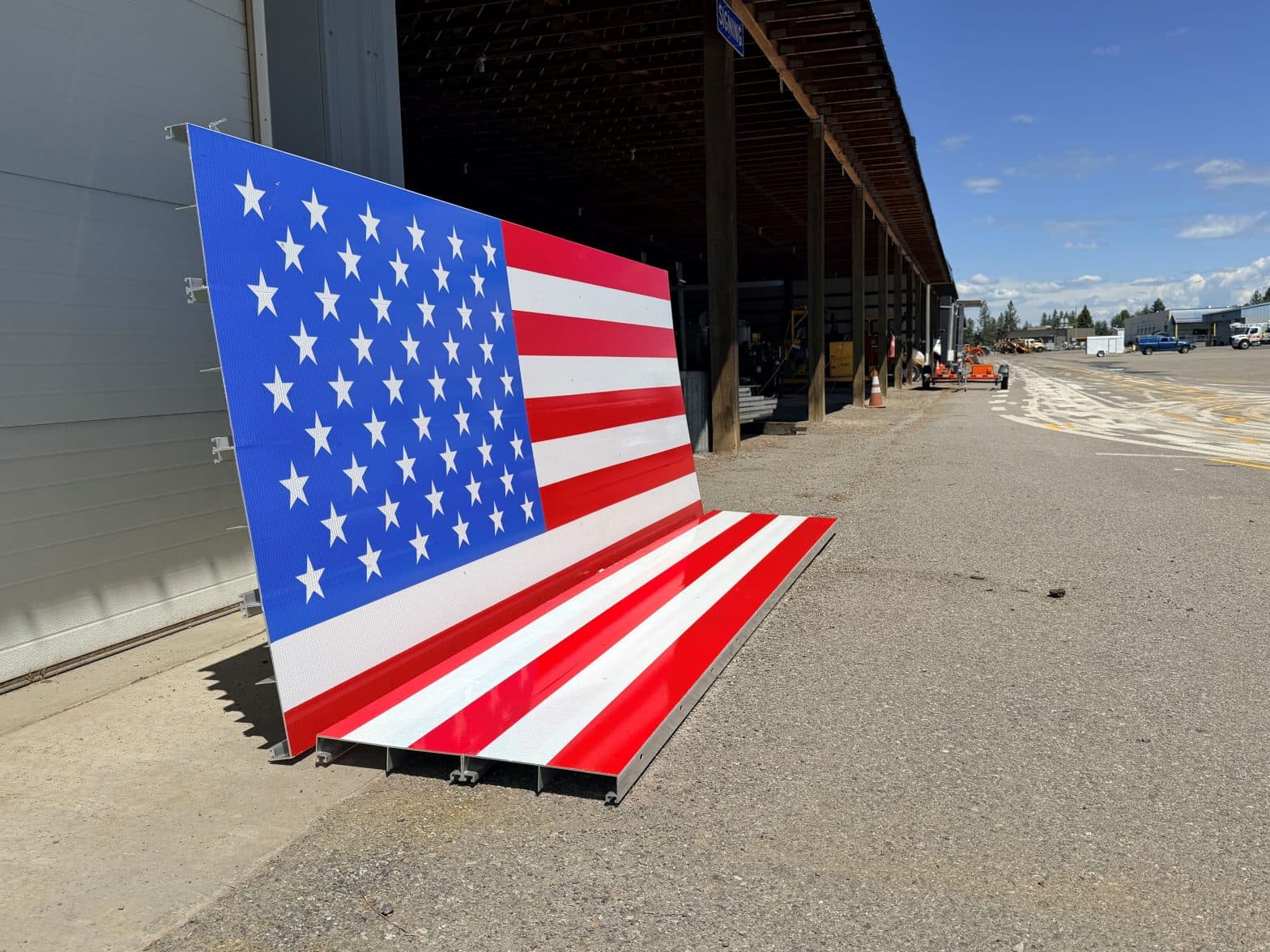
A new American flag display is rising over Interstate 90 at Fourth of July Pass, turning one of North Idaho’s most familiar drives into a visible lesson in local history. Idaho Transportation Department officials said the installation is meant to honor both the pass itself and America250, with North Idaho maintenance crews preparing the work at the National Forest Service Road 164 overpass near the summit.
The location carries a story that reaches back to July 4, 1861, when Captain John Mullan and his road-building crew stopped at the summit to celebrate Independence Day while building the Mullan Road. That route, constructed between 1859 and 1862, became the first engineered wagon road to cross the Rocky Mountains into the Inland Northwest and helped establish the transportation pattern that later evolved into modern Interstate 90.

For Kootenai County, Fourth of July Pass has long been more than a scenic notch in the Bitterroot Range. County history materials describe the Mullan Road as the first engineered road connecting the Great Plains with the Northwest, and the county’s Historic Preservation Plan says the pass sits in the center of the county, where the road crossed the mountains and helped make the area an important east-west transportation corridor between Washington and Montana.
The site also carries formal historic recognition. A protected Mullan Road segment at Fourth of July Pass is listed in the National Register of Historic Places as part of a larger historic transportation site, reinforcing that the overlook is tied to the county’s earliest travel and trade routes, not just its present-day traffic.
Later improvements kept the corridor alive as travel changed. Kootenai County says repair work ordered by Gen. William T. Sherman was completed in 1879. By July 1911, the first automobile trip from Wallace to Coeur d'Alene over Fourth of July Pass took five hours, a reminder of how difficult the crossing remained even as cars began to replace wagons. From 1914 to 1916, much of the Mullan Road was improved or bypassed and became known as the Yellowstone Trail.
The new flag display arrives as the nation prepares to mark its semiquincentennial on July 4, 2026, giving the pass a fresh public role just as the country looks back on 250 years of independence. At Fourth of July Pass, the view from the highway now points not only across the valley, but back through the layers of movement that shaped Kootenai County itself.
This article was produced by Prism’s automated news system from verified source data, official records, and press releases, then run through automated quality and moderation checks before publishing. The system is built and supervised by the people who set the standards it runs under. Read our full AI policy.
Did this article answer your question?