North Idaho faces elevated wildfire risk as federal staffing cuts deepen concerns
North Idaho enters summer with above-normal wildfire potential and fewer federal resources behind it. Kootenai County officials warn the gap could slow initial attack and intensify smoke.

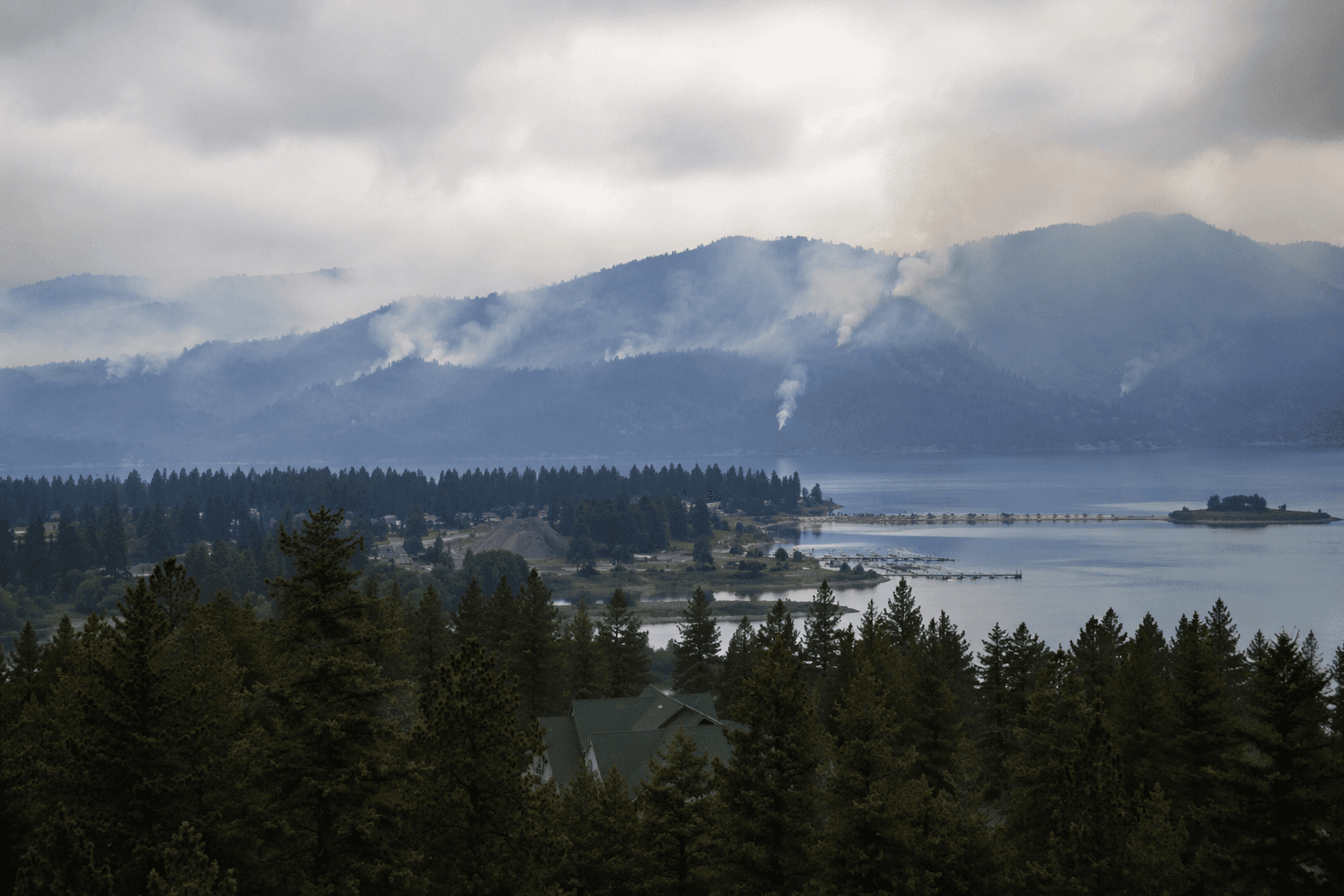
North Idaho is heading into summer with fire risk already elevated, and experts say federal staffing cuts could leave fewer people, less planning and slower help when flames start moving. That gap matters in Kootenai County, where homes, roads and forested neighborhoods sit close together in the wildland-urban interface.
At a webinar hosted by the Center for Western Priorities, wildfire experts said the Idaho Panhandle is expected to face significant wildland fire potential this summer, with August running significantly above the norm for North Idaho. The National Interagency Fire Center’s June-through-September outlook, issued June 1, reinforced that warning: as of May 31, 2,412,214 acres had already burned nationally, 195% of the previous 10-year average, and 30,588 wildfires had been reported, or 140% of average. Drought still covers nearly 61% of the country, and below-normal precipitation is expected in June for the Northwest.
The concern is not just weather. Experts said federal staffing reductions have removed more than 26,000 workers across agencies, including scientists, engineers, dispatchers and other support staff who are rarely seen by the public but are central to prevention, planning and incident response. One related report said thinning, prescribed burning and other wildfire mitigation work in national grasslands fell 35% in 2025 compared with 2024, leaving about 1.4 million fewer acres treated than the 4.1 million acres treated the year before.
For Kootenai County, that can translate into longer response times and a tougher initial attack when a fire starts in dry timber or brush near a subdivision. Kootenai County Fire & Rescue says it operates five fire stations in its response area and staffs four of them 24 hours a day, seven days a week, but local crews still depend on forest, state and federal partners when a fire escalates. The county sheriff’s FireSmart program is meant to help residents in the wildland-urban interface reduce risk through defensible space and home-hardening, and it is supported by the county, the National Fire Plan and state and federal grants.
The stakes are familiar in North Idaho. The Great Fire of 1910 burned about 3 million acres in northern Idaho and western Montana and killed 85 people. And the 2026 season is already active: by the end of May, Idaho had recorded seven wildfires, including the Sailor Cap fire, which burned 8,292 acres in southern Idaho. With dry fuel, limited support capacity and more homes built near the woods, the margin for error is getting smaller before peak fire season even arrives.
This article was produced by Prism’s automated news system from verified source data, official records, and press releases, then run through automated quality and moderation checks before publishing. The system is built and supervised by the people who set the standards it runs under. Read our full AI policy.
Did this article answer your question?