North Idaho faces physician shortage, Kootenai Health boosts training pipeline
North Idaho was projected to be short 50 primary care doctors by 2030, and Kootenai Health’s residency program has already kept 16 graduates practicing in Kootenai County.

North Idaho’s five northern counties face a shortfall of about 50 primary care physicians by 2030, a gap already showing up in longer waits, farther drives and fewer options for families, seniors and people with chronic conditions. Kootenai Health has been training the next generation of doctors at home rather than relying on outside recruitment.
Dr. Jonathan Shupe said the physician crunch was not a temporary staffing problem but part of a broader statewide workforce challenge. Even if Idaho could add 1,400 new physician positions immediately, the state would only reach the national average, Shupe said.

Kootenai Health’s family medicine residency program has become one of the main local pipelines. The program trains seven physicians a year, and Shupe said it has graduated 62 physicians in 10 years. Of those graduates, 32 have remained in Idaho and 16 are practicing in Kootenai County.
Idaho is the only state without a public in-state medical school. That leaves hospitals and medical organizations relying more heavily on residencies, undergraduate medical education opportunities and funding for physician educators to grow the workforce. The current level of support still falls short of what is needed to build a stable pipeline for rural communities.
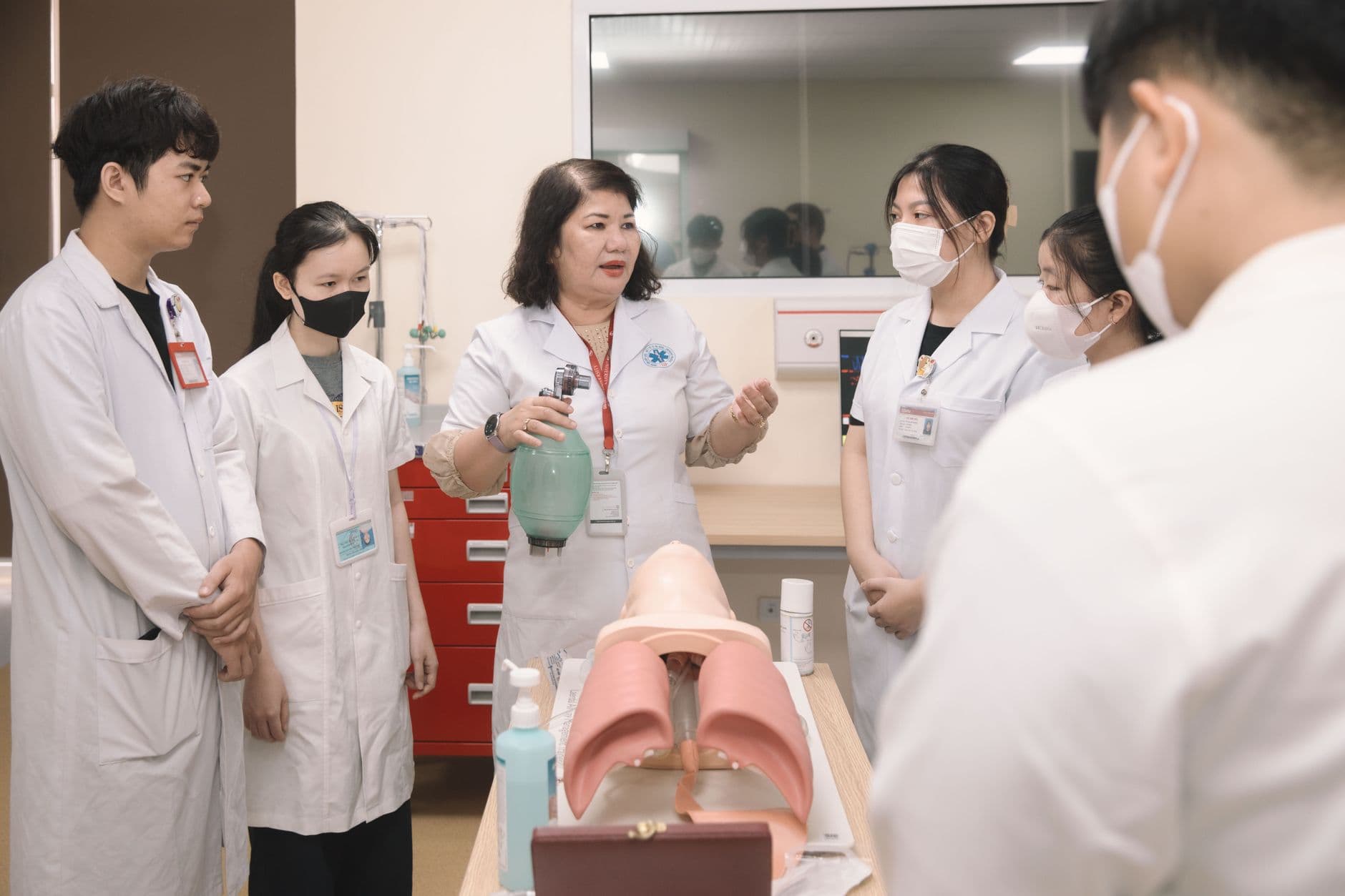
Primary care doctors help keep patients out of expensive emergency rooms, especially older adults and people managing diabetes, heart disease and other chronic conditions. In Kootenai County, access can determine whether a patient gets seen early or waits until symptoms become a crisis.
This article was produced by Prism’s automated news system from verified source data, official records, and press releases, then run through automated quality and moderation checks before publishing. The system is built and supervised by the people who set the standards it runs under. Read our full AI policy.
Did this article answer your question?