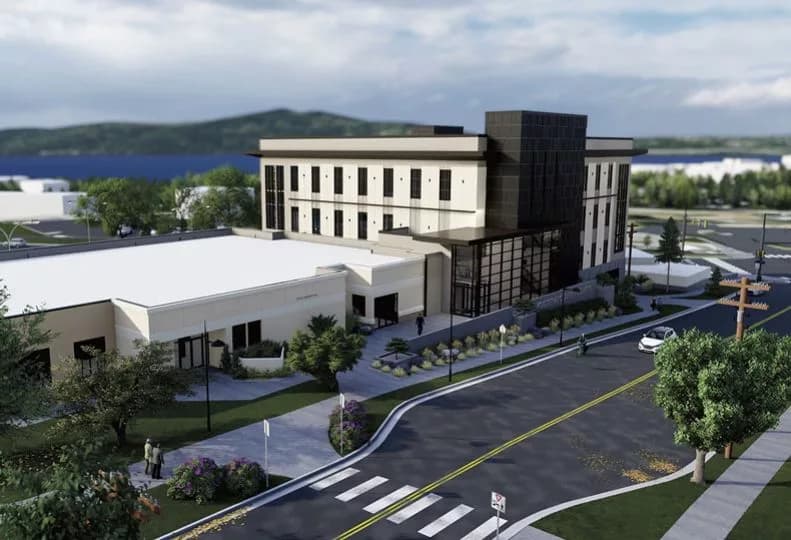
Post Falls mayor reviews single-stream recycling as costs rise
Randy Westlund is reviewing Post Falls recycling as market shifts push more material to landfills and drive up what residents pay for city-billed service.
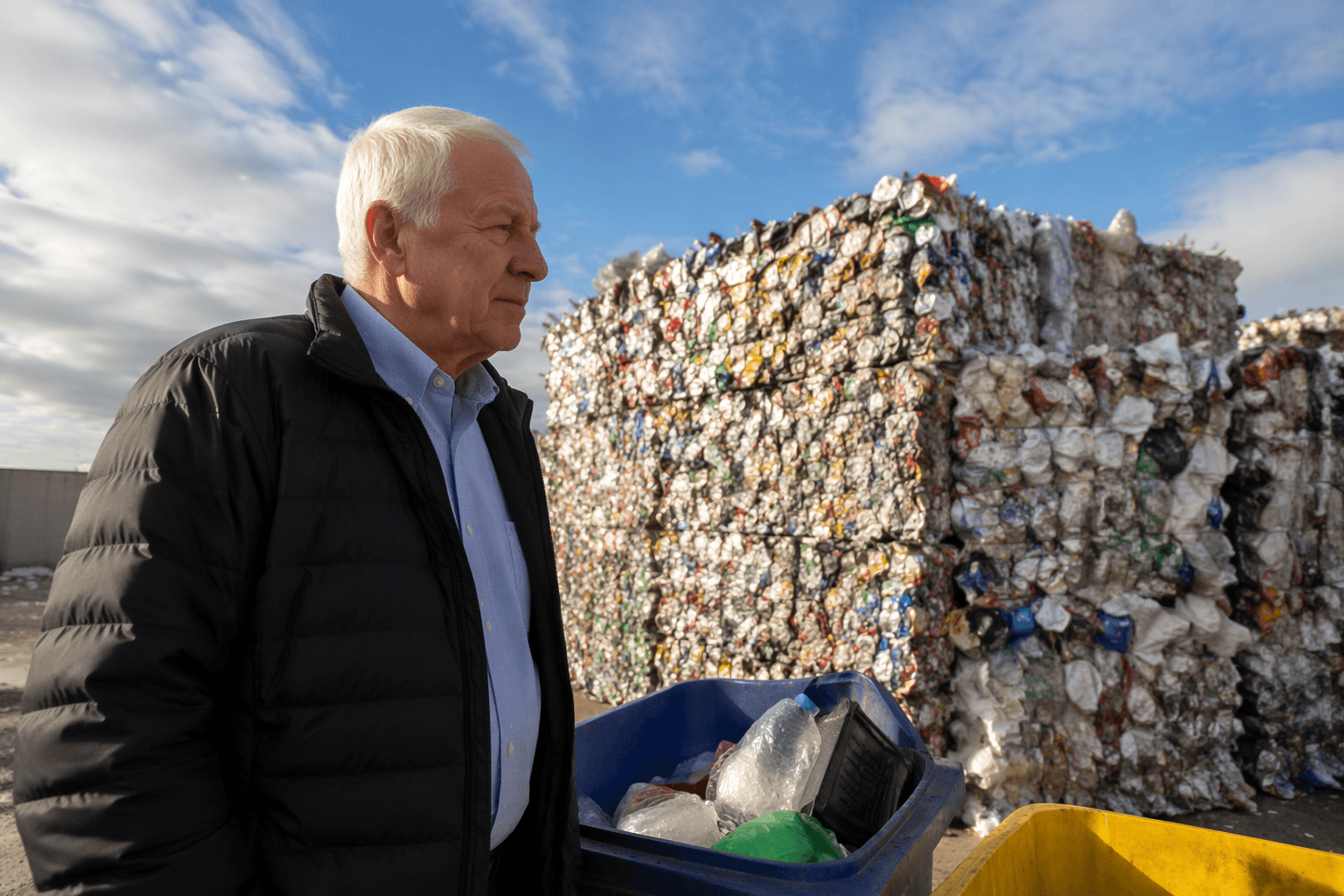
Mayor Randy Westlund is actively reviewing Post Falls’ single-stream recycling setup as market changes push more material toward the landfill and keep pressure on resident bills. The question now facing city leaders is plain: how much of what goes into the blue cart is actually recovered, and how much is being paid for but not recycled.
Westlund, who was sworn in as Post Falls mayor on January 6, 2026, has tied the issue to the kind of government performance he campaigned on, including responsible growth, efficiency and protecting taxpayers. Post Falls residents do not buy recycling service separately from the city’s system. The city handles billing and account management for residential garbage and recycling through Coeur d’Alene Garbage and Post Falls Sanitation, and the 2026 recycling calendar shows single-stream recycling collected every other week while garbage is collected weekly.
The cost side of that system has already moved. The City of Post Falls fee schedule for fiscal year 2026 took effect on October 1, 2025, and later action by the council approved a 5.2% solid-waste contractor increase that was passed through to customers. That comes on top of earlier market shocks that reshaped recycling across North Idaho and much of the country. China sharply restricted recyclable imports in 2018, a change that helped drive contamination problems and higher processing costs for single-stream programs that mix paper, metal, plastic and cardboard in one container.
Local residents have already felt those effects. In 2020, Coeur d’Alene Garbage raised recycling subscription prices outside Coeur d’Alene and Post Falls from $30 to $48 per quarter after market-wide problems hit the industry. The company’s pricing change reflected what recycling operators have been saying for years: when markets for recovered material weaken, the cost of sorting and shipping it rises, and more loads get rejected.
Kootenai County’s own solid-waste system says recycling remains a key part of waste diversion, but it also says convenience is a major factor in whether a program succeeds. The county’s public guidance shows how limited the accepted stream can be. At transfer stations, only clean, dry No. 1 and No. 2 plastic beverage containers are accepted. Glass and Styrofoam are not recycled there and must go in the trash. Cardboard recycling is available only at the Chilco, Athol and Rathdrum rural sites.
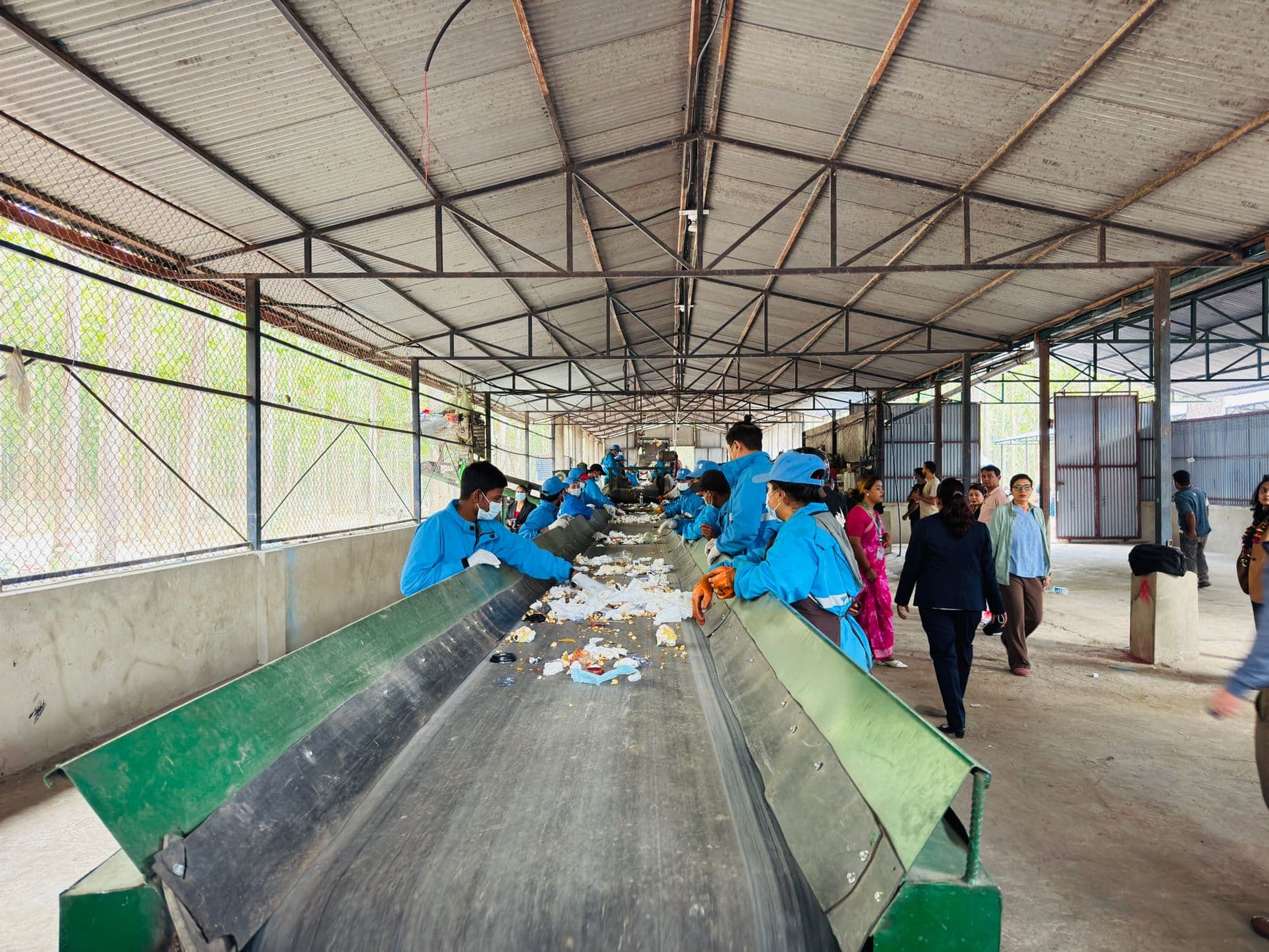
For Post Falls, that leaves a narrow test for the current system: whether a convenient every-other-week pickup still delivers enough actual diversion to justify the price residents and taxpayers are paying.
This article was produced by Prism’s automated news system from verified source data, official records, and press releases, then run through automated quality and moderation checks before publishing. The system is built and supervised by the people who set the standards it runs under. Read our full AI policy.
Did this article answer your question?