Rathdrum leaders highlight population gains, infrastructure and chamber priorities at luncheon
Rathdrum Area Chamber’s Feb. 20, 2026 “State of the Community” luncheon focused on population gains and pressed Idaho-level fixes, from impact fee reform to changes tied to HB 389.
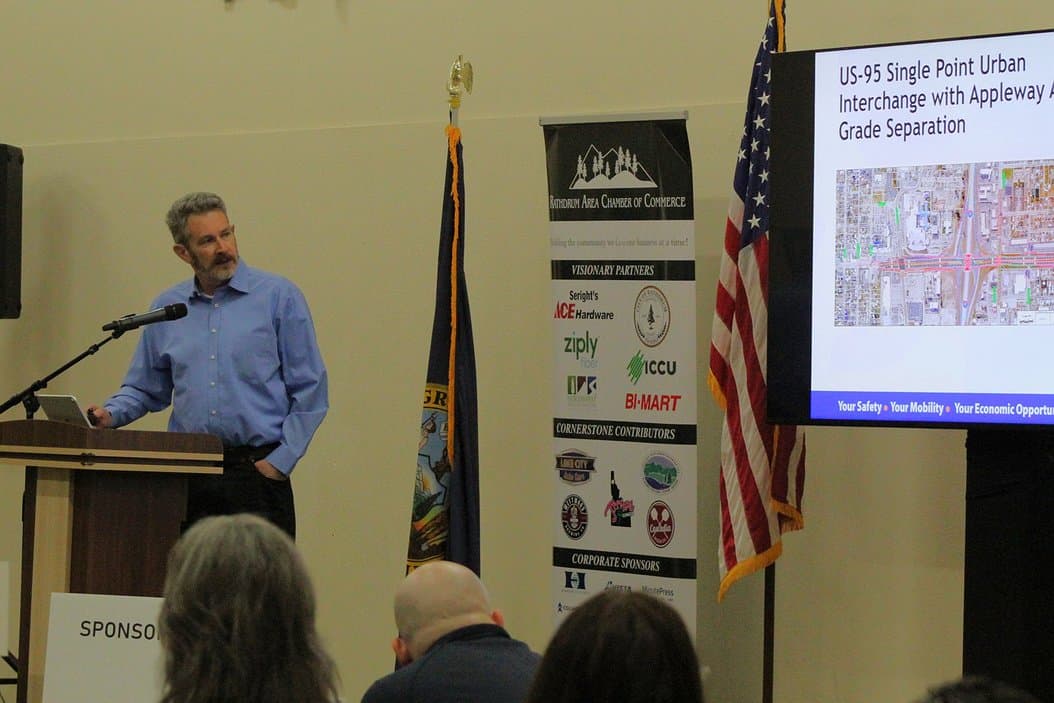
Rathdrum business and municipal leaders gathered Feb. 20, 2026, for the annual Rathdrum Area Chamber of Commerce “State of the Community” luncheon to review recent population gains, infrastructure priorities, and local economic development efforts. Organizers framed the meeting around funding shortfalls and the need to align growth with capital projects across roads, sewer, water and broadband.
A policy statement circulated by regional chambers, reflected in material from the Post Falls chamber, set a firm statewide agenda on infrastructure funding. “We firmly believe that the State must explore and implement funding solutions that adequately address the pressing backlog of maintenance issues facing our State’s infrastructure,” the chamber paper said, and added that “we must begin to fund new projects that are urgently required to address the continued growth that we are experiencing.”
The Post Falls chamber document lays out specific prescriptions for Idaho policymakers. It calls to “Replace local property tax school ‘maintenance and operations’ override levies with increased funding from state revenues” and to “Distribute internet sales taxes now held in a ‘Tax Relief Fund’ to local governments and the State General Fund.” The paper urges policymakers to “Reform Idaho’s impact fee law to make it truly fund the cost of growth including the cost of new schools, increased governmental operations including fire and police, and regional transportation improvements.”
At the luncheon, organizers tied those policy priorities to state statutory barriers and local finance tools. The chamber material singles out HB 389 by name, saying, “Remove the artificial property tax caps imposed by the passage of HB 389. This directly impacts our City’s ability to maintain infrastructure.” It also advocates empowering cities with voter-approved local option taxes and continuing “the use of the state’s Urban Renewal Law as an effective and flexible economic development tool.”

The available account of the Feb. 20 event did not include a full speaker list or a confirmed attendance figure; the public report describes “Rathdrum business and municipal leaders” but does not name individual speakers. That leaves open which Rathdrum officials will press the chamber’s proposals, impact fee reform, reallocation of Tax Relief Fund receipts, HB 389 repeal or modification, and voter-authorized local option taxes, in coming county or state conversations.
Attendees were also presented with an external model for multi-year planning: the NC Chamber Foundation’s NC Leads program, cited for its five-year policy research agenda. NC Leads says it will “Advance critical infrastructure solutions in partnership with industry leaders and job creators” and notes benchmarking and research deliverables. The NC material, distinctively North Carolina–focused, cites an American Society of Civil Engineers finding that “14% of the North Carolina’s roads are in poor condition, and that motorists pay $500 per year in costs due to driving on roads in need of repair,” a statistic offered as an example of how infrastructure shortfalls translate into household costs.
The Rathdrum luncheon reframed familiar local questions into specific policy options: who will pay for maintenance backlogs and new growth, whether Idaho will redistribute internet sales tax dollars from the Tax Relief Fund to cities, and whether HB 389’s property tax caps will remain in force. The chamber conclusion was stark: “In doing so we understand increased user fees as well as other new revenues must be addressed. We simply must invest more now or limit our ability to grow and negatively impact our State’s future prosperity.”
This article was produced by Prism’s automated news system from verified source data, official records, and press releases, then run through automated quality and moderation checks before publishing. The system is built and supervised by the people who set the standards it runs under. Read our full AI policy.
Did this article answer your question?