Risch pushes VA for second national cemetery in North Idaho
Sen. Jim Risch urged the VA to establish a national cemetery in North Idaho so veterans and their families need not be buried out of state.
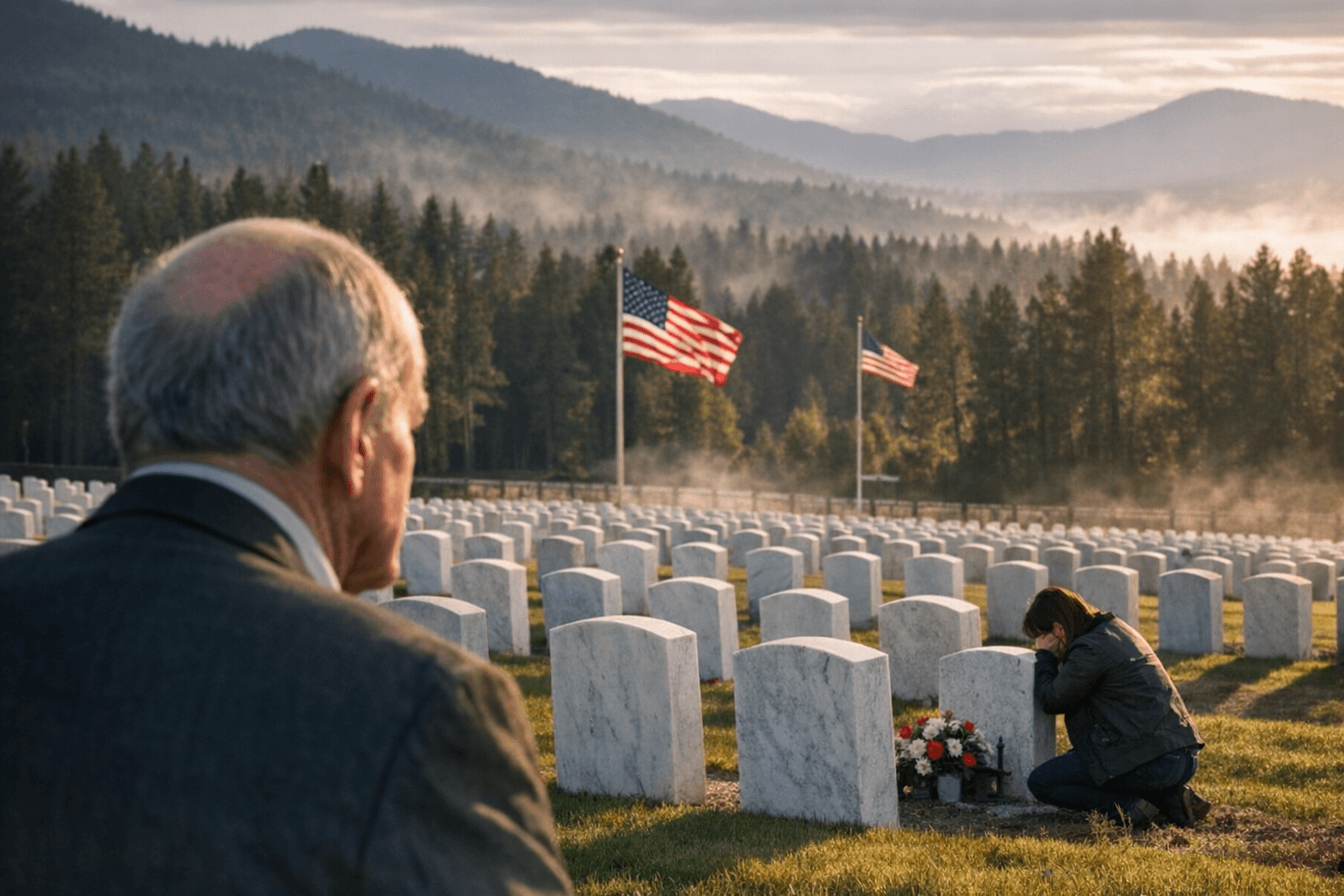
U.S. Sen. Jim Risch pressed the Department of Veterans Affairs to build a second VA national cemetery in Idaho, arguing the move would spare North Idaho veterans and their families the burden of burial outside the state. Risch said veterans in North Idaho currently face a choice between forfeiting burial honors or being buried across state lines.
Risch noted Idaho already hosts one VA national cemetery in Buhl and two state-grant-funded cemeteries in Eagle and Blackfoot, leaving North Idaho served only by facilities in Medical Lake, Wash., and Missoula, Mont. In a letter to the VA sent on January 19, 2026, Risch framed his appeal as speaking for Idaho’s veterans "who have always led the charge in defending our rights and freedoms."
The senator linked the request to access and recognition, saying "It is our duty to appropriately recognize and honor their service, sacrifice and commitment to the United States by building a second VA national cemetery in Idaho." Risch further emphasized scale, writing that "Many of Idaho’s 120,000 veterans have earned the right to be buried in these cemeteries, an option that should be readily available and accessible to them."
For Kootenai County residents, the issue touches practical and emotional concerns. Families in Coeur d'Alene, Post Falls and surrounding communities frequently travel significant distances for military funerals; a national cemetery in North Idaho would shorten travel time for mourners, reduce logistical costs, and keep burial plots within reach of local support networks. Local funeral homes and county veteran service officers could see changes in planning and demand if a new site moves forward.
The request also raises policy and institutional questions. A VA decision to site a national cemetery in North Idaho would require federal approval and funding, and would involve site selection, environmental reviews, and coordination with state and local authorities. Idaho’s existing state-grant cemeteries reflect one model of burial access, while a VA national cemetery would fall under federal management and standards. Risch’s letter places pressure on the VA to evaluate regional need and capacity as part of that process.
The push for a second national cemetery aligns with broader debates over veterans’ services and rural access to federal resources. For North Idaho voters, the proposal underscores how federal site decisions intersect with county-level needs for veterans’ care and memorial services. Risch’s intervention ensures the matter is on the federal agenda and signals a pathway for local officials and veterans groups to press for specifics.
What comes next is a VA response and, if the agency agrees to pursue a new site, a period of technical review and local engagement on potential locations and timelines. For Kootenai County veterans and their families, the debate matters now because it determines whether final rest can be kept closer to home.
Know something we missed? Have a correction or additional information?
Submit a Tip

