Bouse fire district posts meeting schedule, offers free smoke alarms
Bouse residents can get free smoke alarms through the fire district, and monthly board meetings are where staffing, equipment and budget decisions come into view.
Free smoke alarms are the fastest safety upgrade in Bouse
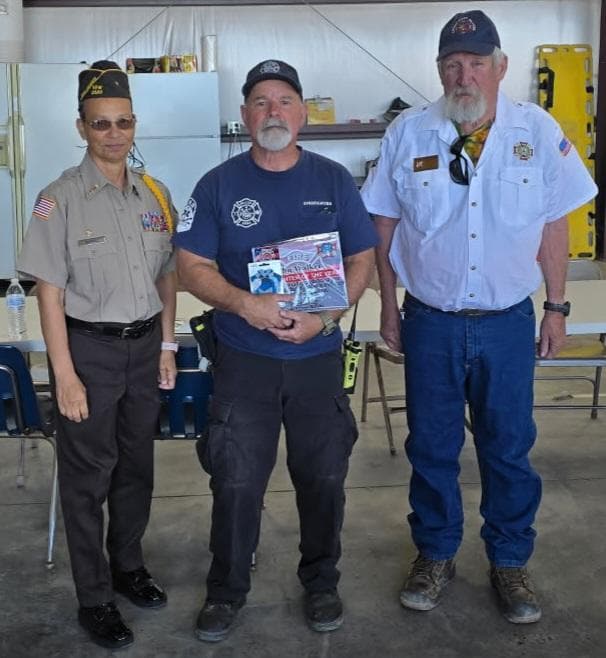
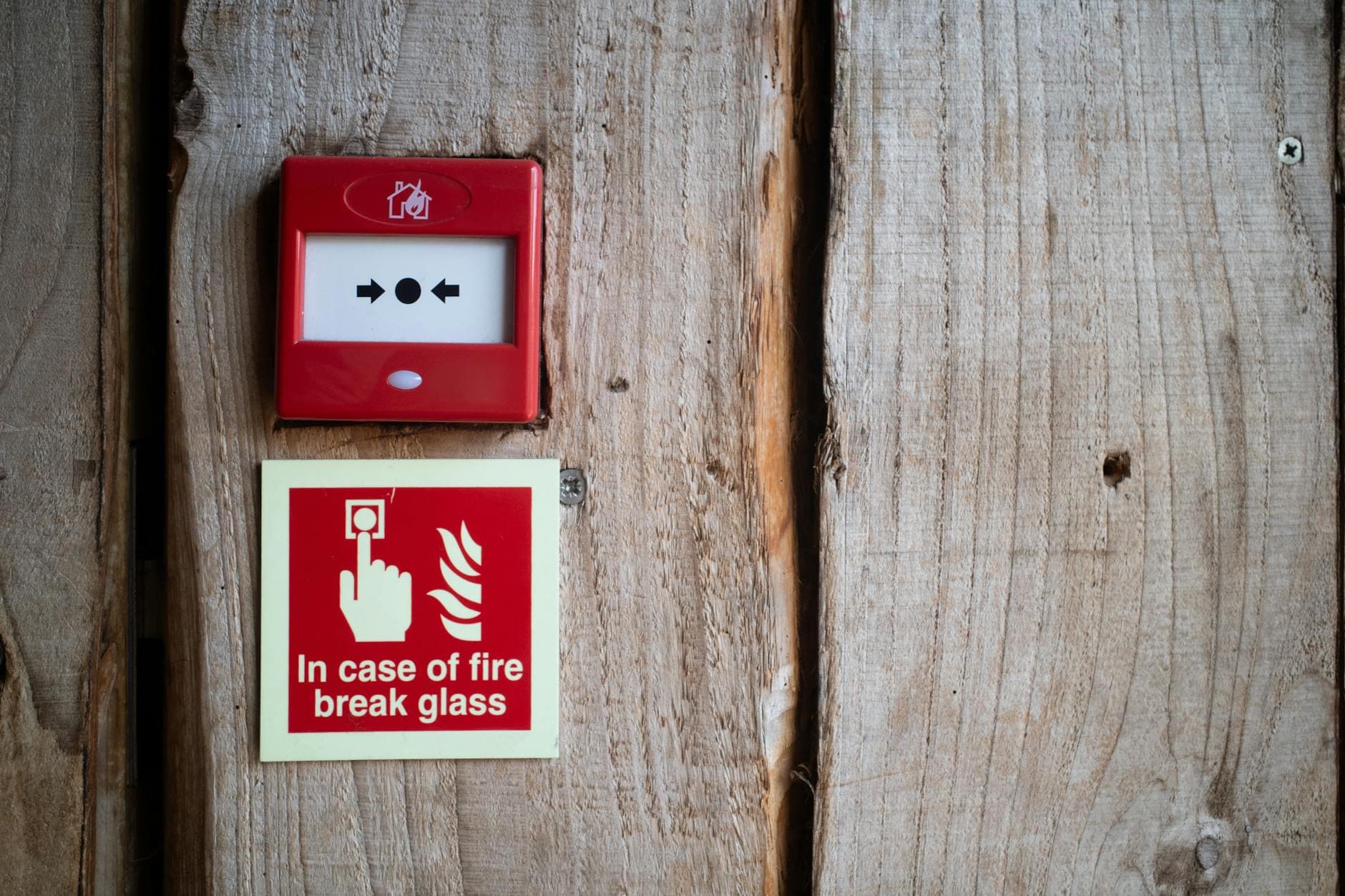
A free smoke alarm is the most immediate safety benefit Bouse Volunteer Fire District is putting in front of residents right now. The district says it offers free smoke alarms through a partnership with the American Red Cross, a practical service that matters in a rural area where homes can sit far apart and emergency response can take longer to reach the scene.
That offer is especially important for older residents, seasonal visitors, renters and homeowners who may not have working detectors or may need replacements. In a community like Bouse, a functioning smoke alarm can buy precious minutes, and those minutes can shape whether a small fire stays small or becomes a major loss.
The Red Cross says its Home Fire Campaign and partners provide free smoke alarms and home fire safety education in Arizona and New Mexico for people who need assistance. In Bouse, that campaign becomes local and immediate through the fire district’s public-facing site, which makes the service easy to find and easier to act on.
When the board meets, residents can watch the decisions that affect service
The district’s meeting calendar is more than a formality. The fire board meets on the second Tuesday of every month at 10:00 a.m., and the 2026 schedule posted by the district lays out a full year of public business, including Jan. 13, Feb. 10, Mar. 10, Apr. 14, May 12, Jun. 9, Jul. 14, Aug. 11, Sep. 8, Oct. 13, Nov. 10 and Dec. 8.
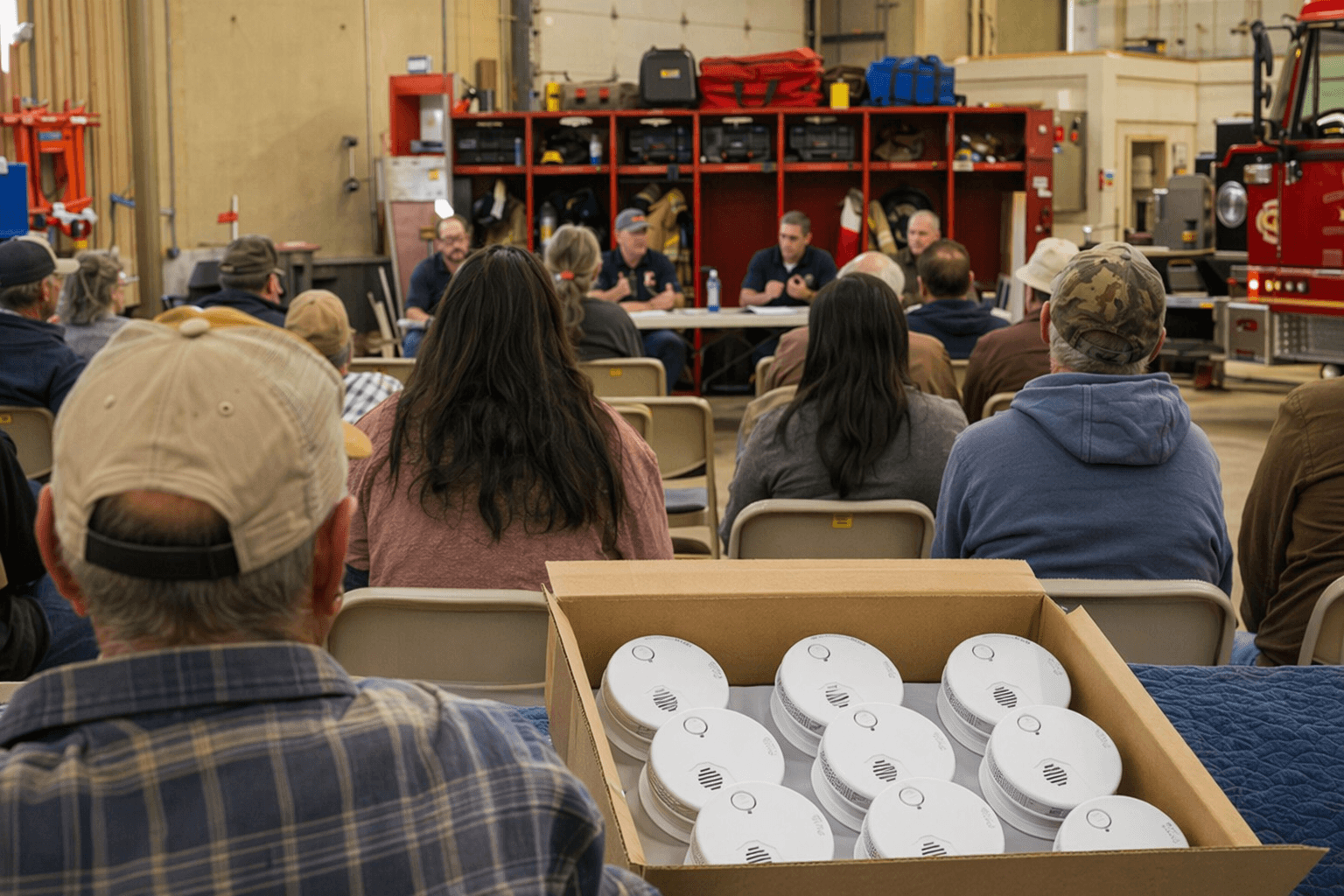
Meetings are held at 44031 Plomosa Road in Bouse, across the sidewalk from the clinic. The district also posted a budget meeting for Tuesday, June 16, 2025 at 10:00 a.m. at the same location, reinforcing that the Plomosa Road site is where residents can expect the district’s public business to surface.
That schedule matters because fire-district decisions touch the basics of daily safety: staffing, equipment needs, budgeting and service planning. In a small district, those choices can determine how ready the department is when a call comes in, what equipment is available, and how the district plans for the next fire season.
Why the paperwork matters in a small rural district
Arizona law requires fire-district boards to hold public meetings at least once each calendar month, and it also requires budget materials to be posted publicly on the district’s website for at least 20 days before adoption. Bouse Fire’s meeting notices and budget pages fit that framework and give residents a clear window into how the district is run.
The district’s budget pages show adopted budgets archived for FY 2017/18 through FY 2025/26, which gives the public a long paper trail to follow. That kind of archive is important in Bouse because local oversight does not depend on a large city hall or a sprawling administrative structure. It depends on residents being able to see what the district plans, what it adopts and what it says it needs.
The budget documents also show the scale of the operation. A 2024/25 adopted budget file lists a total budget of $269,449 and a reserve fund of $70,000. The same file shows a proposed tax-rate increase from 2.59% to 2.71%, and a 2025/26 adopted budget file later shows a proposed tax-rate increase from 2.71% to 3.15%.
Those numbers do not describe a large bureaucracy. They describe a small rural fire district balancing routine operating costs, reserves and the pressures that come with keeping service available across a wide area. One older budget document also shows the district relying on property-tax revenue, grant reimbursement, vehicle replacement reserves and fire-assistance funding, a reminder that local response capacity often depends on a mix of local and outside support.
A small population with limited backup nearby
Bouse’s scale explains why these notices carry outsized importance. Census Reporter lists Bouse’s population at 1,203 in the ACS 2024 5-year profile, spread across 136.2 square miles, or about 8.8 people per square mile. That is a lot of ground to cover with a small population, and it helps explain why every public update from the fire district matters.
Local medical access also underscores the need for preparedness. La Paz Regional Hospital says the Bouse Medical Clinic is a part-time clinic with service on Tuesday and Thursday from 8 a.m. to noon. In a place where services are limited and distances are wide, a smoke alarm is not just a household appliance. It is part of a chain of early warning that can matter before responders arrive.
The people and records behind the district
The district’s posted materials also identify the people carrying the work. One district source names Fire Chief Jason Weatherford and Assistant Chief Vonnie Harmon. The district’s budget filings include signatures from board chairman Paul Martin, board treasurer John Newman and board clerk Alan Jacobs on the FY 2025/26 adopted budget, while older documents show names such as David Boyer, John Newman and Randy Danenberg.
The district’s archived meeting records show recurring board meetings and special meetings dating back several years, which gives residents a record of continuity rather than a one-off notice. The district’s site also highlighted a post congratulating John Walker for receiving the Firefighter of the Year award, a small but revealing sign that recognition and volunteer commitment remain part of the district’s culture.
For Bouse, the practical message is straightforward. The free smoke alarm program offers immediate protection, and the monthly board schedule gives residents a predictable place to watch decisions that affect readiness, equipment and services. In a rural community where response times can be critical, both are part of how public safety is built, not after a fire, but before one ever starts.
This article was produced by Prism’s automated news system from verified source data, official records, and press releases, then run through automated quality and moderation checks before publishing. The system is built and supervised by the people who set the standards it runs under. Read our full AI policy.
Did this article answer your question?