Colorado River agencies sign pact to explore interstate water exchanges
Colorado River agencies signed a June 3 pact to explore interstate water exchanges, a move that could reshape planning for La Paz County farms, tribes and river growth.
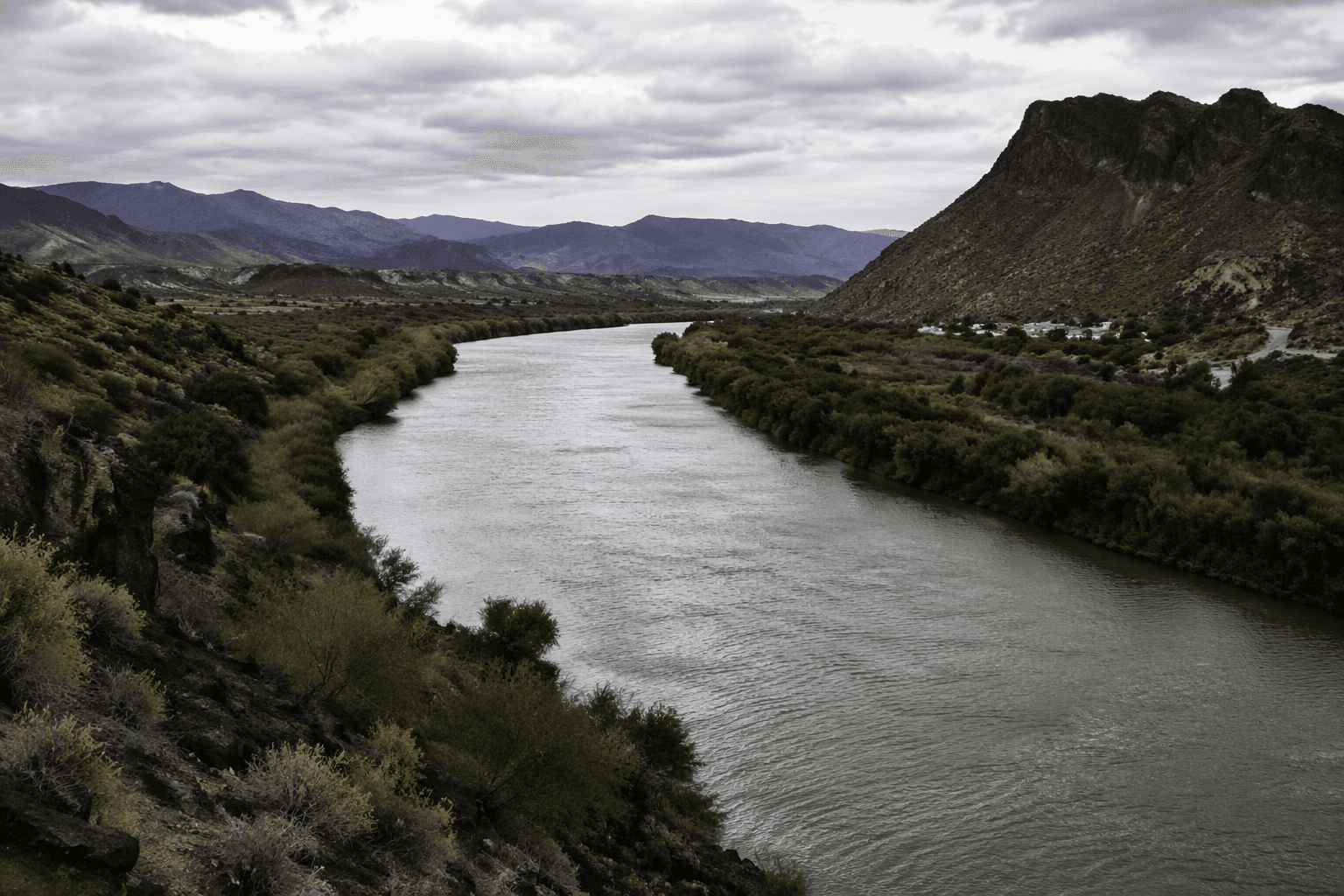
Water agencies in California, Nevada and Arizona signed a memorandum of understanding on June 3 to explore interstate water exchanges, opening a new round of negotiations over how Colorado River supplies might move across state lines. The San Diego County Water Authority said the pact is meant to improve long-term water management in the Colorado River Basin by advancing talks on a framework that could link interstate exchanges with desalinated water, recycled water and other supplies.
For La Paz County, the deal reaches far beyond Sacramento, Phoenix or San Diego. Parker, Ehrenberg and the rest of the river corridor live with the pressure of basin shortages, falling reservoir levels and the uncertainty that comes with each new planning cycle. Any framework that gives states more room to swap supplies could affect local governments, tribal water interests and agricultural operators that depend on steady Colorado River planning to make planting, investment and growth decisions.
The real question for county readers is who gains flexibility and who gives up certainty. An interstate exchange system could change who gets water, when it moves, what kind of water is exchanged and who pays the cost. That matters in a county where even small shifts in allocation can ripple through irrigation schedules, municipal planning and long-term development along the river corridor. For growers and tribal users alike, the value of the pact will depend on whether it produces usable, affordable and fair arrangements rather than another layer of technical language.
The June 3 signing was not a final agreement and it did not solve the shortage now bearing down on the basin. It did, however, signal that water leaders are still searching for tools that can buy time, reduce conflict and avoid abrupt disruptions as the current rules run out. For La Paz County, that makes the pact less a distant policy exercise than an early test of whether river-state cooperation can protect local users before the next crisis forces a harder choice.
This article was produced by Prism’s automated news system from verified source data, official records, and press releases, then run through automated quality and moderation checks before publishing. The system is built and supervised by the people who set the standards it runs under. Read our full AI policy.
Know something we missed? Have a correction or additional information?
Submit a Tip