Colorado River Tribes warn of water cuts, La Paz County at risk
CRIT says water cuts are no longer abstract. For Parker, farm deliveries and tribal rights could be the first things residents feel.
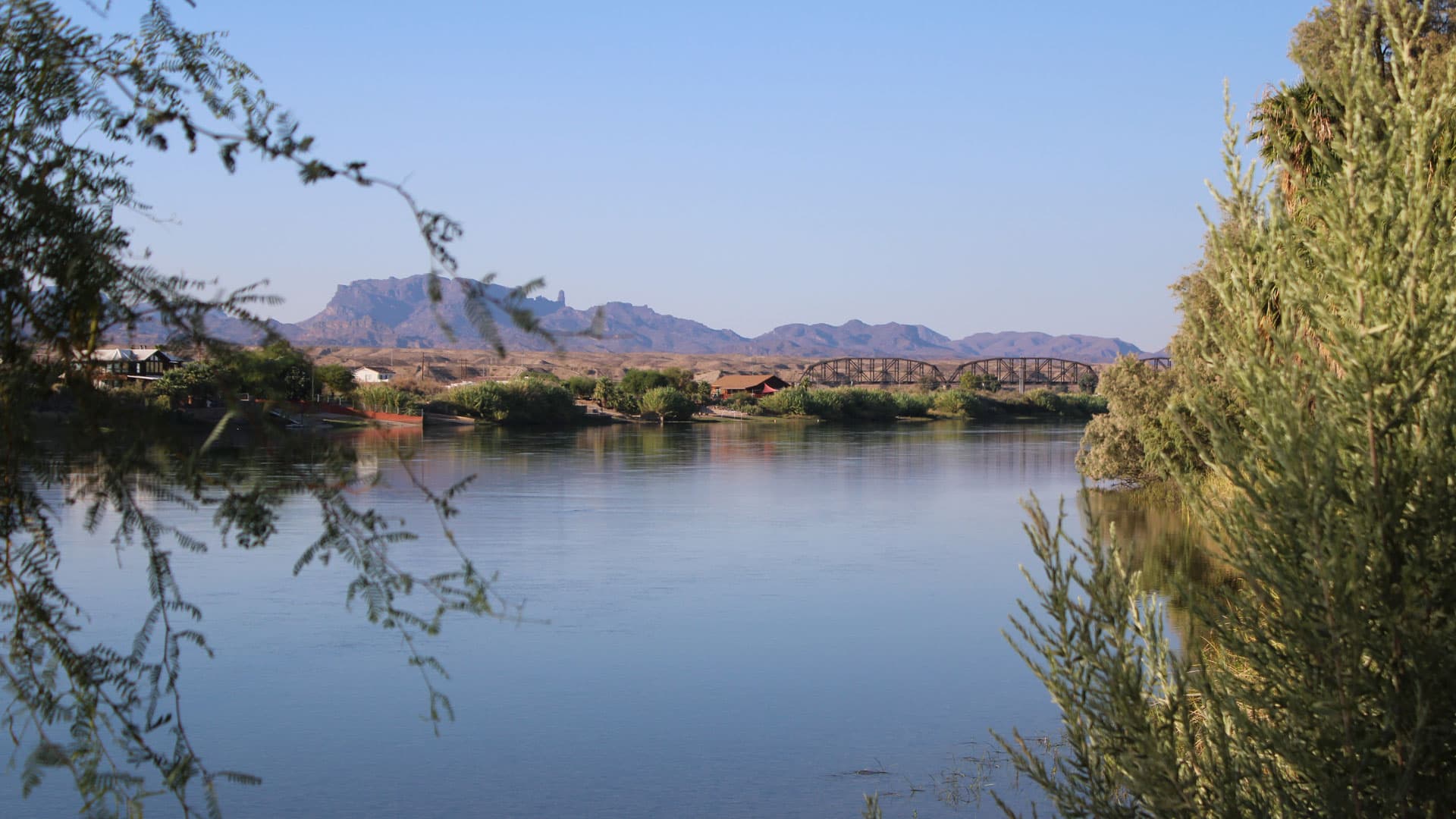
The Colorado River Indian Tribes are warning that water cuts are no longer a distant basin fight, and in western La Paz County the first pressure points could be Parker, reservation households, irrigated fields and river-dependent businesses.
In a Basin Brief published June 2, CRIT said cities are getting ready for less water, local governments are tightening rules around use, groundwater fights are intensifying and businesses are beginning to feel the cost of a stressed river. That warning lands close to home in Parker and on the Colorado River Indian Reservation, where nearly 300,000 acres of tribal land stretch along about 90 miles of river shoreline and where about 8,385 people live with every shift in supply.
The timing is critical. The Bureau of Reclamation says the main Colorado River operating agreements, including the 2007 Interim Guidelines and the 2019 Drought Contingency Plans, are set to expire at the end of 2026. Reclamation received 18,127 submissions during the Draft EIS comment period, which closed March 2 after a 45-day review, and it is working toward final post-2026 operating guidelines by Oct. 1, 2026.
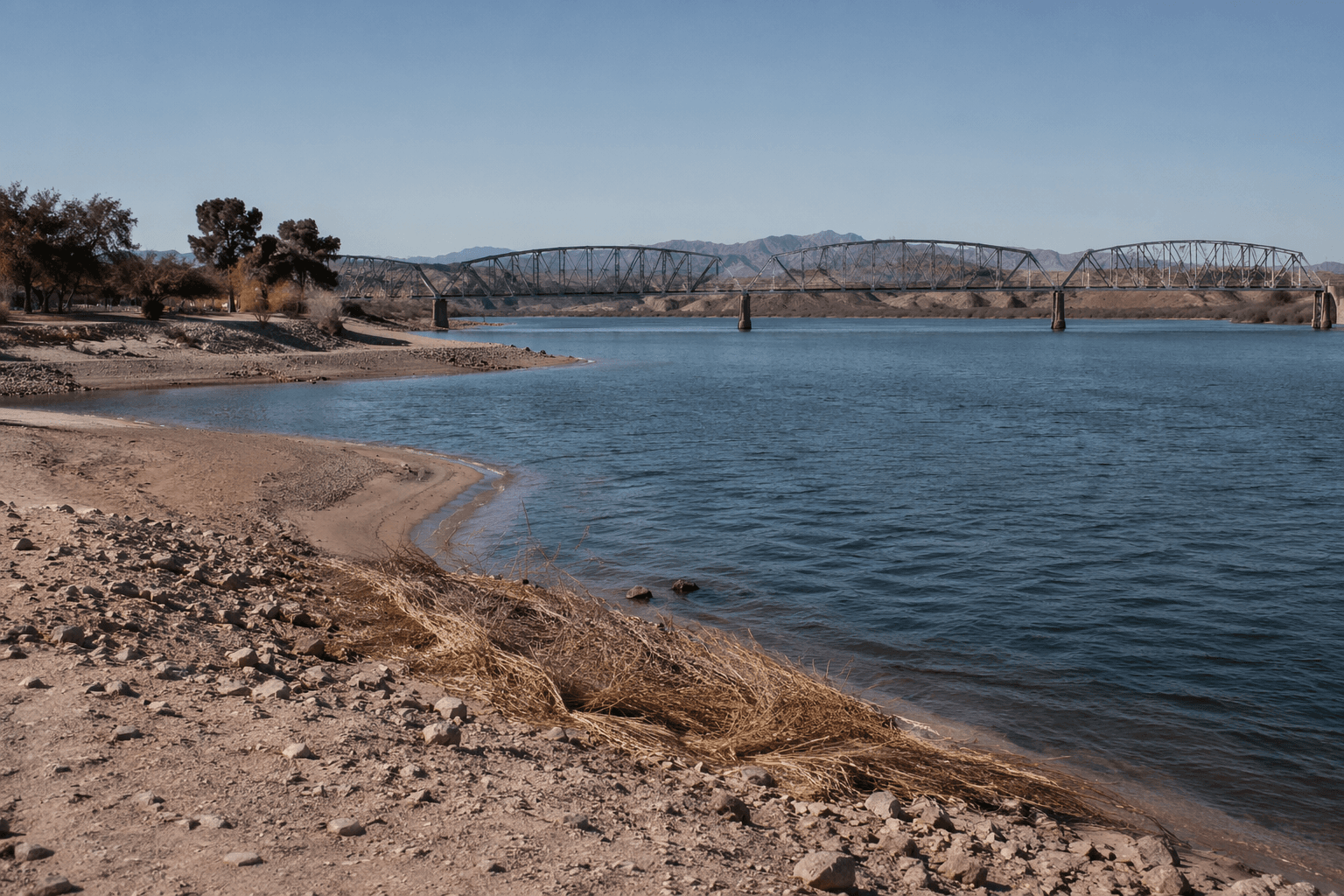
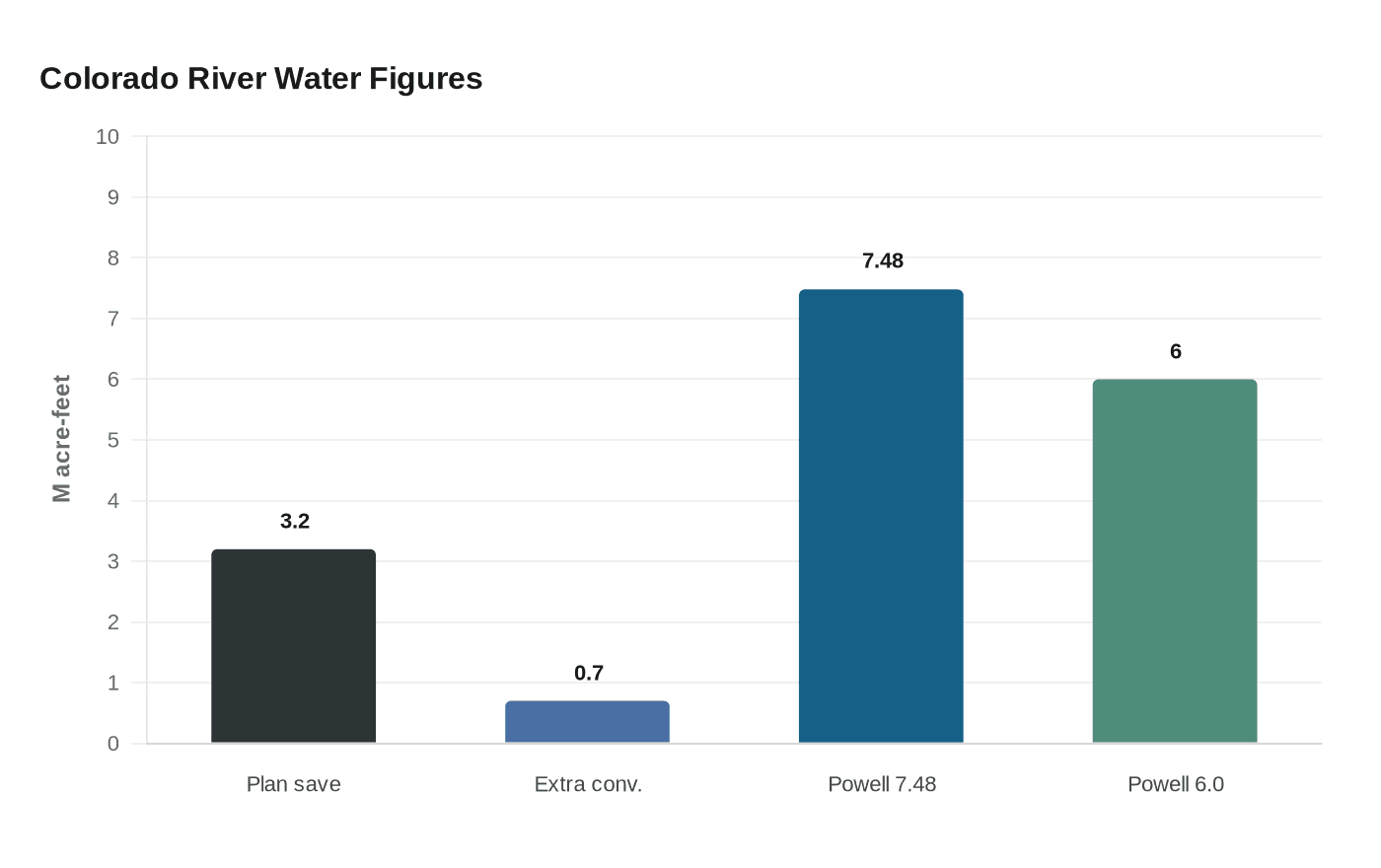
At the center of the current scramble is a Lower Basin plan advanced May 1 by Arizona, California and Nevada. The proposal aims to produce more than 3.2 million acre-feet of savings through 2028, including at least 700,000 acre-feet of conservation on top of earlier reductions. The Colorado River Board of California said the plan responds to declining reservoir levels, record low inflows to Lake Powell and rising risk at both Lake Powell and Lake Mead.
The numbers behind the warning are stark. Reclamation’s May 2026 24-month study says releases from Lake Powell to Lake Mead are being reduced from 7.48 million acre-feet to 6.0 million acre-feet through September 2026, while unregulated inflow to Lake Powell is forecast at 3.27 million acre-feet, about 34 percent of average. For La Paz County, that points to tighter delivery conditions, more pressure on local water managers and less room for error for farms, utilities and tribal systems that depend on the river.
CRIT’s role is more than symbolic. University of Arizona research says the tribe holds some of the most senior water rights on the river, and CRIT’s Tribal Council declared legal personhood for the Colorado River under tribal law on Nov. 6, 2025. On May 8, Reclamation told tribes it would no longer seek across-the-board tribal shortages and would instead follow current law and respect senior tribal rights, a shift that underscores how forcefully tribal governments are shaping the post-2026 talks.
Those talks now carry direct stakes for western Arizona. Water & Tribes says 22 tribes hold recognized rights to 3.2 million acre-feet of Colorado River water each year, while 12 tribes still have unresolved claims. In La Paz County, where Parker, the reservation and river-adjacent businesses all depend on a stable supply, the next decisions made in Phoenix, Washington and tribal governments could show up first as stricter use rules, tighter irrigation deliveries and a river system running with less margin than before.
This article was produced by Prism’s automated news system from verified source data, official records, and press releases, then run through automated quality and moderation checks before publishing. The system is built and supervised by the people who set the standards it runs under. Read our full AI policy.
Know something we missed? Have a correction or additional information?
Submit a Tip