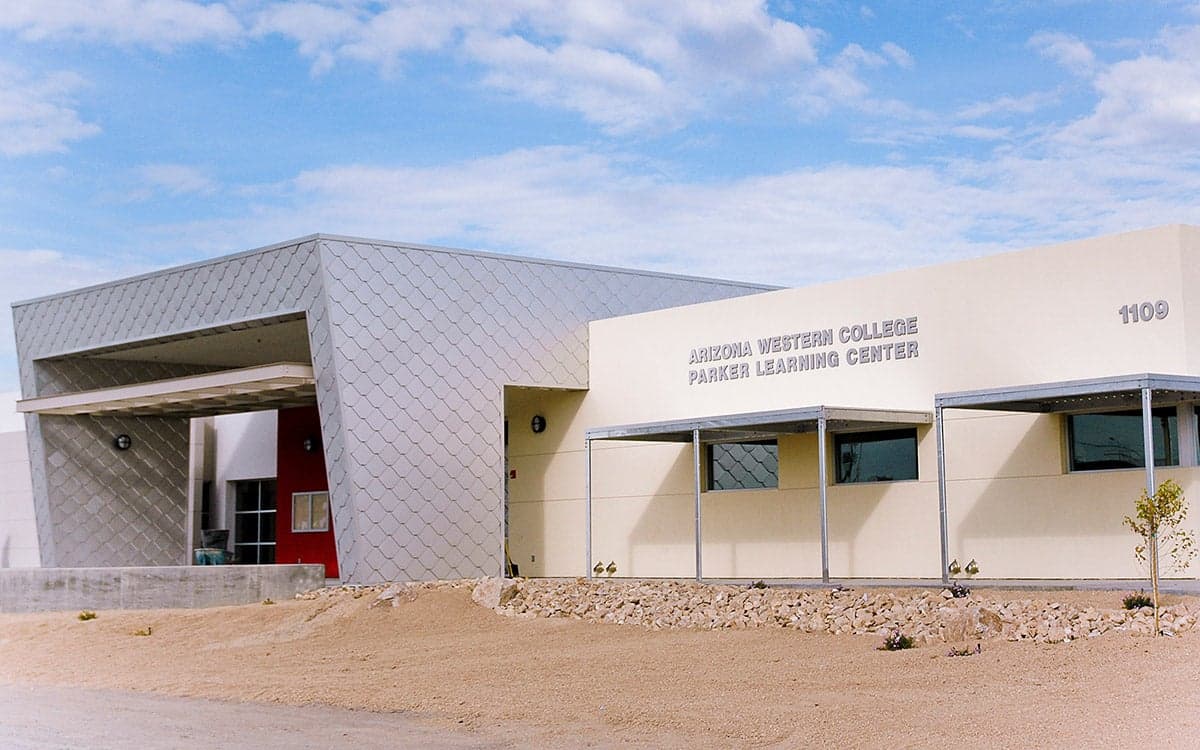
CRIT breaks ground on permanent Head Start facility in Parker
CRIT broke ground near Mohave Road and Navajo Avenue on a permanent Head Start site backed by a $13.8 million federal grant and tribal matching funds.
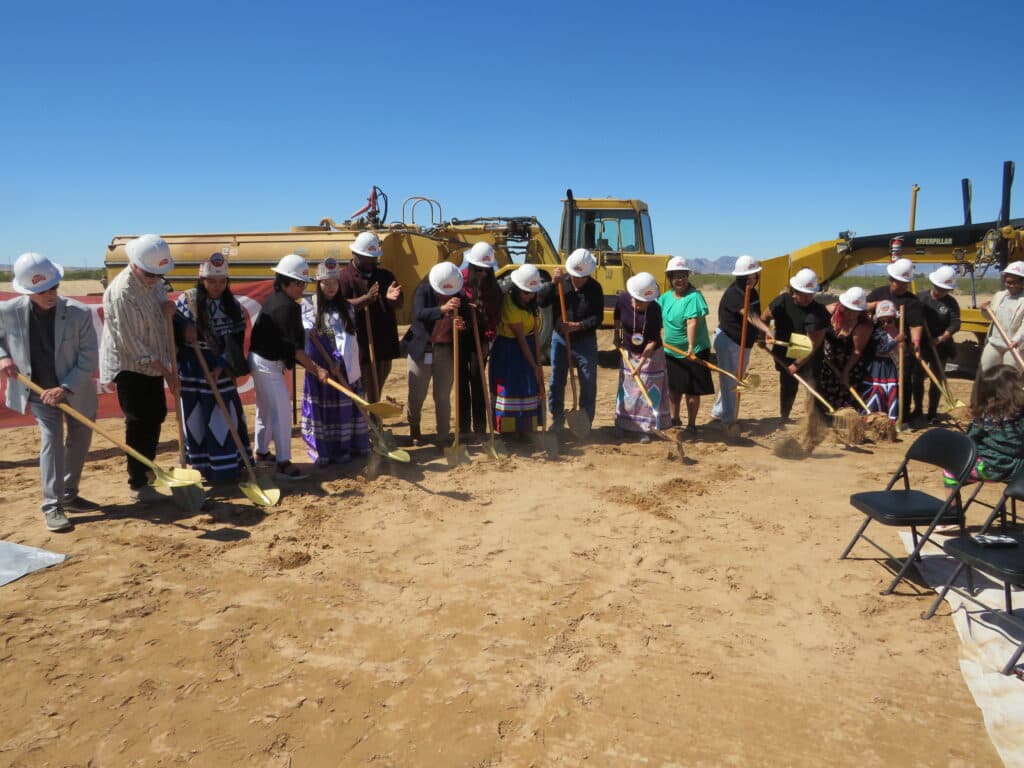
Parker families are a step closer to a permanent Head Start campus near the corner of Mohave Road and Navajo Avenue, ending a planning push that began in 2009 when the Colorado River Indian Tribes set aside 12 acres for the project.
More than 300 people attended the groundbreaking on April 15, including generations of former Head Start students, current students, tribal leaders, staff and federal Head Start representatives. CRIT Chairwoman Amelia Flores called the ground “blessed and sacred,” saying it would become “fertile soil for children and future generations.”
The project took years to move from a land decision to construction because the tribe spent the intervening time trying to secure financing. That effort finally produced a $13,826,500 federal grant from the U.S. Department of Health and Human Services’ Administration for Children and Families, with CRIT responsible for a 20% matching share.
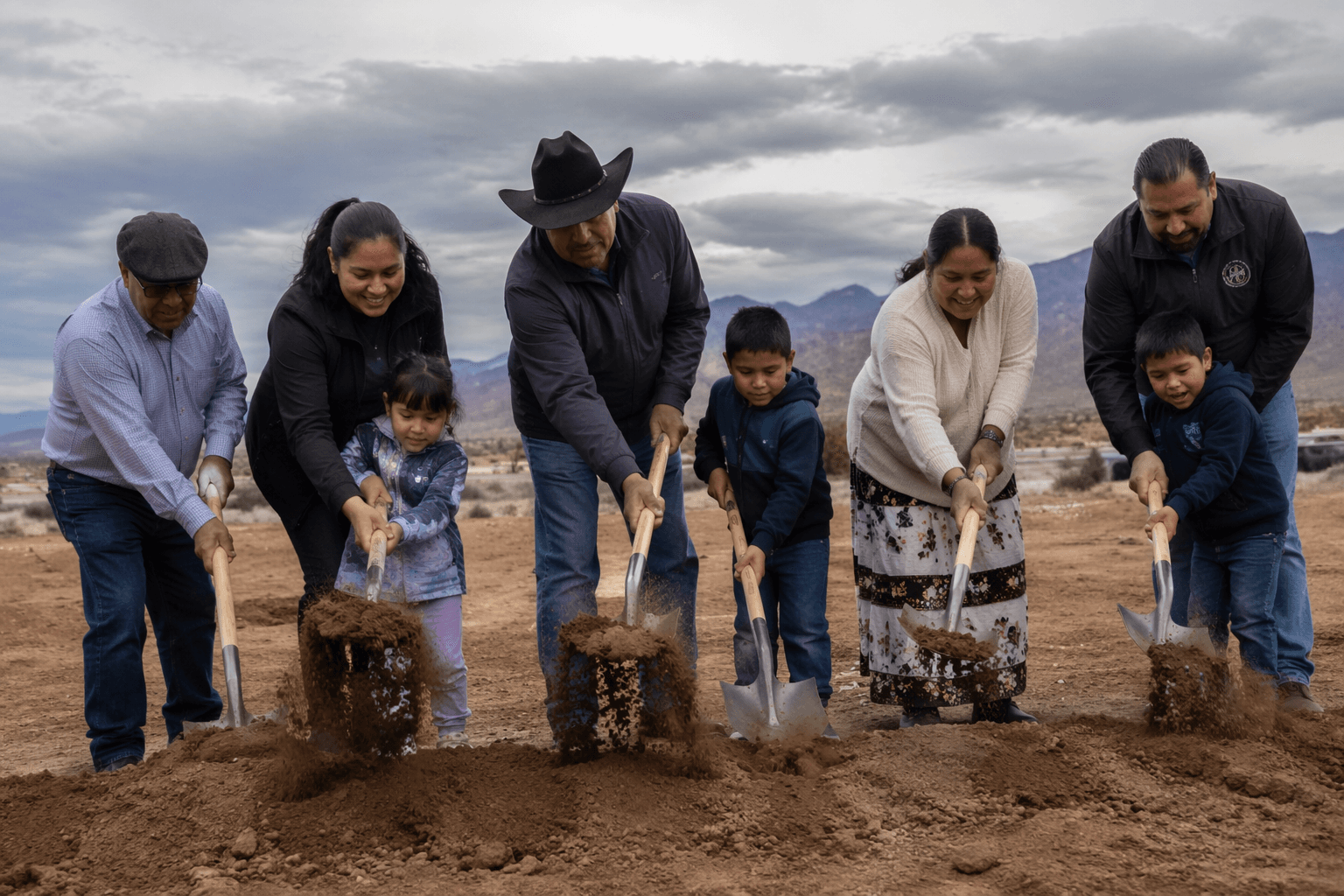
The permanent building matters well beyond one school. CRIT Head Start has operated since 1965 and now serves children ages 3 to 4 on the reservation with education, health, nutrition, mental health, transportation and special-needs services. A fixed site should give Parker-area parents more stability, make enrollment easier to sustain and provide a stronger base for early-childhood services that have long operated out of temporary arrangements.
The stakes are especially high in Parker, the tribe’s primary community on a reservation that spans almost 300,000 acres along the Colorado River in Arizona and California. CRIT says it has about 4,277 active tribal members, while the enrollment office lists 4,630 total enrolled members, numbers that help explain why a single early-learning campus can carry weight across the reservation and into surrounding La Paz County.
The groundbreaking also underscored how deeply the program is woven into tribal life. What began as a nine-member Tribal Council land decision in 2009 is now moving toward a permanent facility that is expected to serve tribal and non-tribal families alike. For Parker, it marks a long-delayed public investment finally turning into a place where young children can start school with more certainty, and where the community can count on early childhood services being rooted in one permanent home.
This article was produced by Prism’s automated news system from verified source data, official records, and press releases, then run through automated quality and moderation checks before publishing. The system is built and supervised by the people who set the standards it runs under. Read our full AI policy.
Know something we missed? Have a correction or additional information?
Submit a Tip