CRIT moves draft water code into public hearing process
A June 3 notice from CRIT put Parker-area residents on notice: the draft water code is in public review, with rules on leasing, shortages, permits and enforcement.
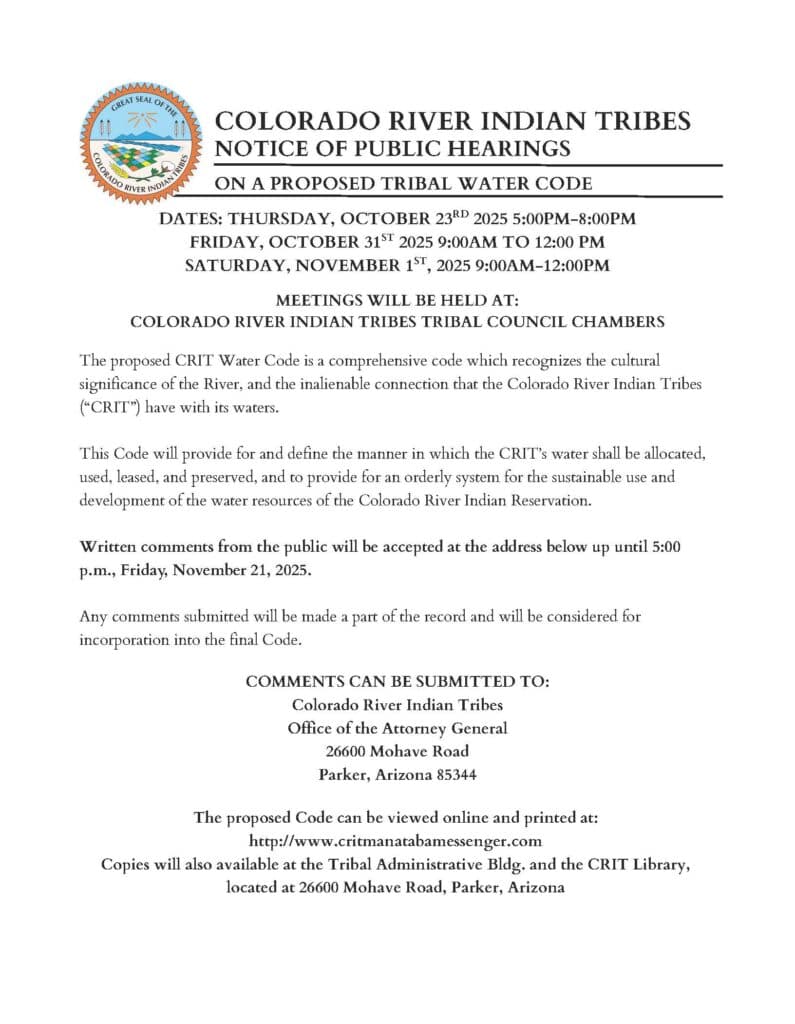
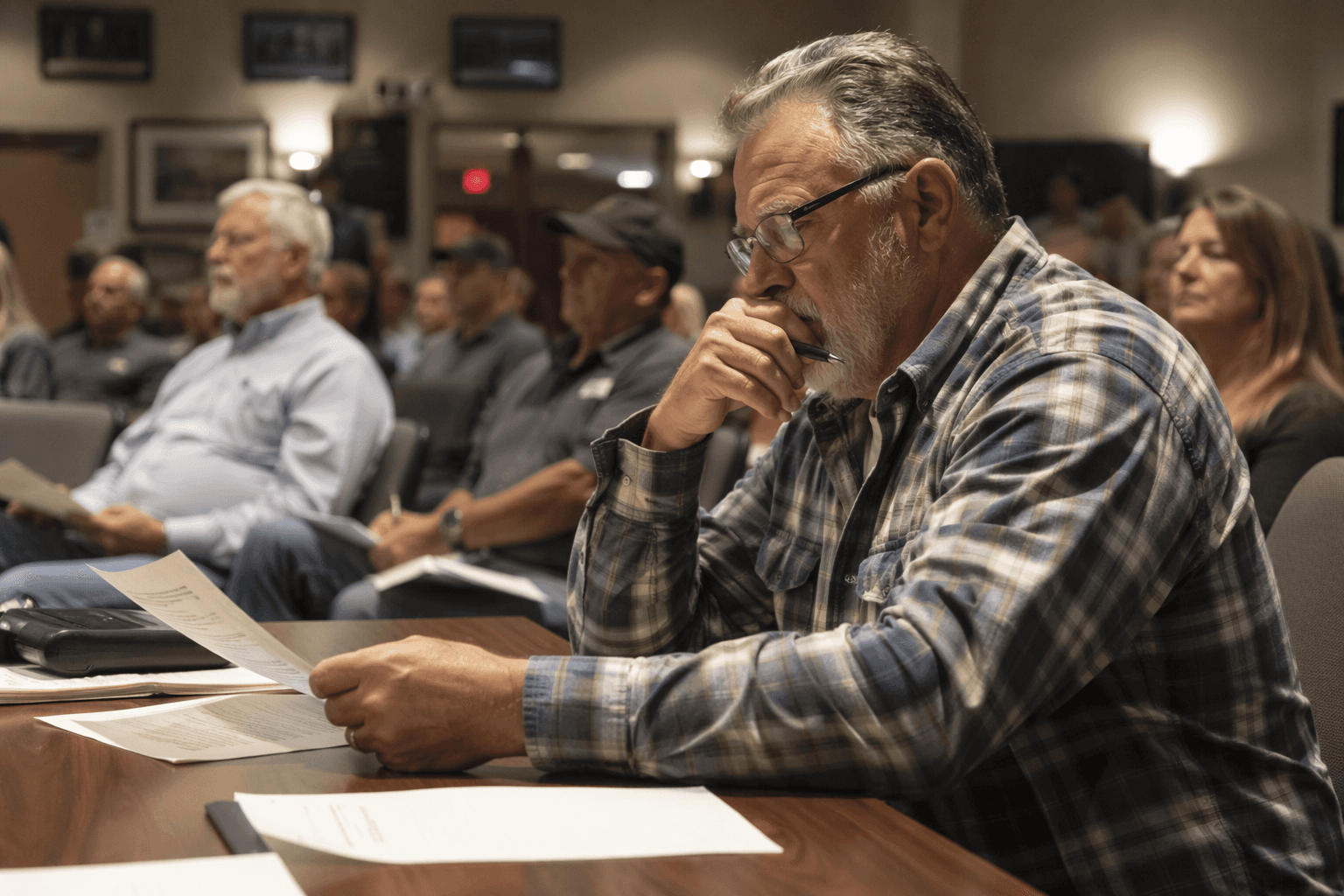
Parker-area residents now have a formal path into one of the Colorado River Indian Tribes’ most consequential policy fights: the draft water code is being pushed through public hearings, with the notice posted June 3 from CRIT Nation in Parker, Arizona. The move matters because it puts water governance, not just water administration, in public view at the center of tribal decision-making.
The draft code sets out a broad framework for how CRIT would manage water allocation, use, leasing and preservation, while also addressing protection of tribal water resources, shortage conditions, hearings, water quality and the creation of a Colorado River Trust. It says the code is meant to recognize the Colorado River’s cultural significance and support the social and economic advancement of CRIT and its members, which gives the hearing process both legal and cultural weight.
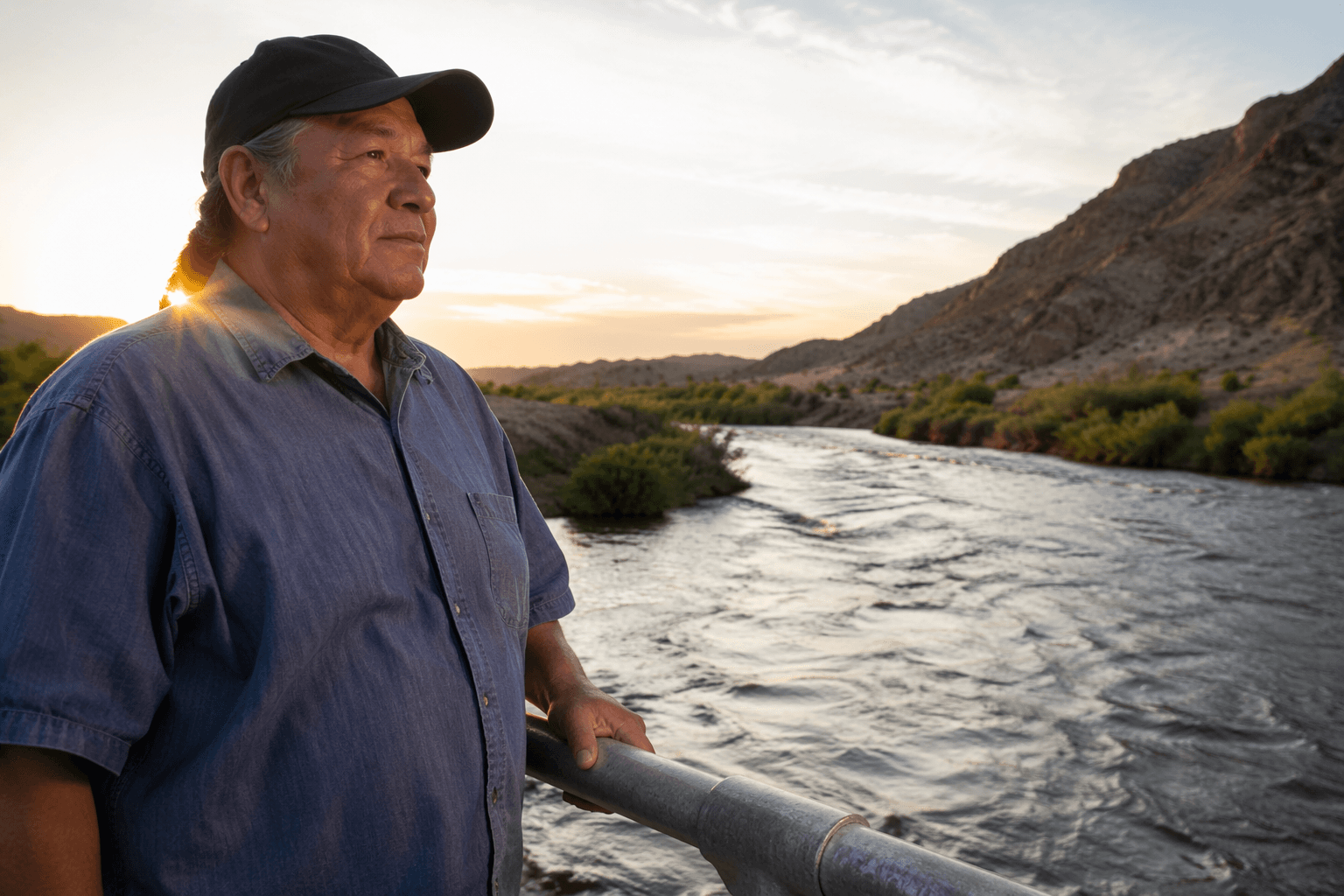
For people in Parker and along the Colorado River Indian Reservation, the practical significance is clear. A water code can shape how tribal members understand their rights and responsibilities, how permits are issued, how shortages are handled and how the tribe regulates use over time. The table of contents also shows provisions on off-reservation water leasing, enforcement and annual water-use permit fees, all issues that can affect farming, planning and future development in and around La Paz County.
The public process did not start with the June notice. A later ordinance file says the draft water code had already been posted online, with copies available at the Tribal Administrative Building and the CRiT Library, and written comments accepted until November 21, 2025. That ordinance also says three formal public hearings were held on October 23, October 31 and November 1, 2025, showing the code is moving through a longer, staged review rather than a one-time announcement.
The hearing process also comes after a major shift in tribal policy. In November 2025, the CRIT Tribal Council voted to recognize the Colorado River as a legal person under tribal law, and reporting on that decision said the CRIT Attorney General would draft updates to the tribal code, including the Water Code, to reflect that status. That decision was described as the first of its kind specifically for the Colorado River and adds a deeper sovereignty and stewardship dimension to the current water-code work.
The timing is especially significant because CRIT’s water policy is unfolding as the broader Colorado River system heads toward a 2026 reset. The Bureau of Reclamation says several key operating documents are set to expire at the end of 2026, including the 2007 Interim Guidelines, while the Arizona Department of Water Resources says CRIT is also pursuing federal legislation tied to leasing, exchanging and underground storage of part of its decreed Colorado River allocation off reservation. Against that backdrop, the draft code is not just an internal rulebook. It is part of how CRIT is positioning its water future in Parker, in Arizona and across the lower basin.
This article was produced by Prism’s automated news system from verified source data, official records, and press releases, then run through automated quality and moderation checks before publishing. The system is built and supervised by the people who set the standards it runs under. Read our full AI policy.
Know something we missed? Have a correction or additional information?
Submit a Tip