La Paz County Communities Offer Desert, River Attractions Along Arizona's Western Edge
La Paz County's desert and river communities stretch along Arizona's western edge, where the Colorado River and Sonoran Desert shape life in Parker, Quartzsite, Bouse, and Ehrenberg.
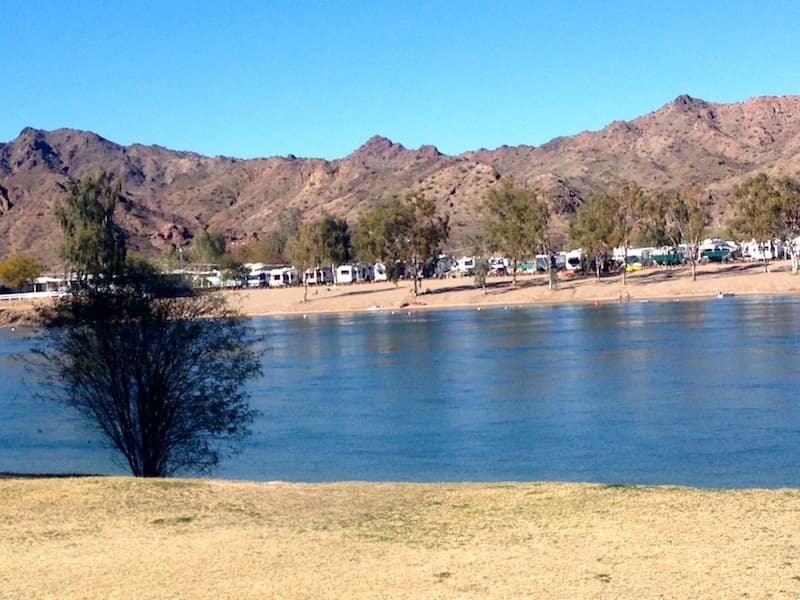
Tucked along Arizona's western boundary, La Paz County occupies a stretch of terrain where the Colorado River carves a green corridor through the Sonoran Desert. It is one of Arizona's largest and most rural counties, and its communities, spread across the river corridor and the Interstate 10 desert corridor, offer a distinct combination of water recreation, desert solitude, and small-town character that sets this region apart from the state's better-known destinations.
Parker: The River Town at the County's Heart
Parker sits along the Colorado River as La Paz County's seat and its most established community. The town's identity is inseparable from the river, which draws boaters, anglers, and swimmers to its banks throughout much of the year. The surrounding area includes access to Lake Havasu and the Parker Strip, a stretch of the Colorado that draws visitors seeking water-based recreation in warmer months. Beyond the river, Parker serves as the commercial and civic hub of the county, with services, lodging, and local institutions that anchor life for residents across the surrounding region.
Quartzsite: Desert Gathering Place
Few places in the American Southwest transform as dramatically as Quartzsite, a small town along Interstate 10 that swells from a quiet desert community into one of the largest temporary gatherings in the country during the winter months. The town is internationally known among RV travelers and rock, gem, and mineral enthusiasts who converge on the desert flats outside town for large-scale swap meets and shows. Quartzsite's position along I-10 makes it a natural waypoint between California and the Phoenix metro area, and the surrounding desert landscape offers opportunities for off-road exploration, hiking, and stargazing in the dark skies that come with its remote location. For those passing through or staying for weeks at a time, Quartzsite represents a uniquely American crossroads of community, commerce, and open desert.
Bouse: Quiet Desert Character
Bouse occupies the quieter interior of La Paz County, away from both the river and the interstate, offering a glimpse of the county's ranching and mining heritage. The town is small, and that scale is part of its appeal for visitors seeking genuine desert solitude and a slower pace. Bouse is also known for the Bouse Fisherman, a large geoglyph etched into the desert floor nearby, believed to have been created by ancient Indigenous peoples. That intaglio, visible from the air and accessible by foot, connects the present-day community to a much longer human history in this landscape. The surrounding desert terrain is open and expansive, drawing off-road vehicle enthusiasts and those who want to explore the backcountry of western Arizona on their own terms.
Ehrenberg: Gateway at the Arizona-California Line
Ehrenberg sits at the Colorado River crossing where Interstate 10 passes from Arizona into California, making it one of the first communities travelers encounter when entering Arizona from the west. The town is small but strategically positioned, and the river access here draws those looking for fishing and camping along the Colorado. Ehrenberg's location at a state boundary gives it a particular character as a true gateway community, one where the transition between the two states is marked by the river itself. For those driving across the Southwest, Ehrenberg often serves as a first or last stop in Arizona, a place where the desert and the river meet at a natural threshold.
The Colorado River Corridor
Running the length of La Paz County's western boundary, the Colorado River is the defining geographic and recreational feature of the region. The river supports fishing, boating, swimming, and camping across multiple access points, and its banks are lined with parks, launch ramps, and campgrounds that serve both day visitors and extended stays. Water temperatures and seasonal flows shape the calendar of activity along the river, with spring and summer bringing the heaviest recreation use. The riparian habitat along the Colorado also supports wildlife viewing, with migratory birds, fish species, and desert wildlife drawn to the water's edge in a landscape that is otherwise arid. Managing and accessing this resource responsibly is central to the experience of visiting La Paz County's river communities.
The Interstate 10 Desert Corridor
Away from the river, La Paz County's eastern communities and landmarks connect along the Interstate 10 corridor through open Sonoran Desert. This corridor links Quartzsite and Bouse to the broader state, and the desert landscape along it is characterized by rugged mountain ranges, dry washes, and vast open terrain. The region's geology draws rockhounds and collectors, and the public lands managed by the Bureau of Land Management across much of this area are open to hiking, camping, and off-highway vehicle use. The isolation that can seem like a limitation is, for many visitors, the point: La Paz County's desert interior offers a kind of stillness and scale that is increasingly rare.
Planning a Visit
La Paz County's communities are spread across a large geographic area, so understanding the layout before visiting helps considerably. Parker and Ehrenberg hug the Colorado River along Arizona Highway 95 and Interstate 10, respectively, while Quartzsite anchors the desert corridor along I-10 further east. Bouse sits off the main highways on a road connecting Parker to Quartzsite, making it a natural stop on a loop through the county.
A few practical notes for visitors:
- Summer temperatures in the desert interior regularly exceed 110 degrees Fahrenheit; river access makes the heat more manageable along the Colorado corridor, but early morning starts are advisable for any desert activity.
- Winter is prime season in Quartzsite, with the major gem and mineral shows drawing the largest crowds typically in January and February.
- Public lands are extensive throughout the county, and dispersed camping is permitted in many BLM areas, though visitors should carry water, fuel, and supplies adequate for remote conditions.
- Cell coverage is limited in parts of the county, particularly in the desert interior around Bouse and the backcountry areas west of Quartzsite.
La Paz County rewards the traveler willing to slow down and engage with its landscape on its own terms. The Colorado River and the open Sonoran Desert are not backdrops here; they are the experience itself, and the communities built along them reflect a way of life shaped by water, heat, distance, and the particular freedom that comes with Arizona's western edge.
This article was produced by Prism’s automated news system from verified source data, official records, and press releases, then run through automated quality and moderation checks before publishing. The system is built and supervised by the people who set the standards it runs under. Read our full AI policy.
Did this article answer your question?