La Paz County healthcare strained by distance, heat, and aging residents
Getting care here often means a long drive, a hot road, and a narrow clinic schedule. Parker’s hospital anchors the county, but Quartzsite, Bouse and outlying towns still face gaps.

Care in La Paz County starts with distance
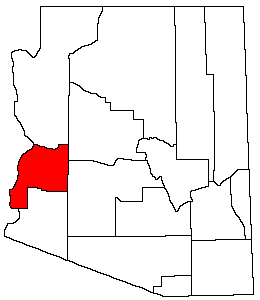
In La Paz County, healthcare is first a geography problem. The county stretches across 4,496.6 square miles, but only about 16,557 people lived here in the 2020 Census, and recent Census Reporter data puts the population at 16,664 with a median age of 60.2. That combination matters every day in Parker, Quartzsite, Bouse, Ehrenberg, Salome, Cibola and Wenden, because the trip to see a clinician is often as important as the appointment itself.
For many residents, the real question is not whether care exists somewhere in western Arizona. It is whether they can reach it quickly, whether they have transportation, and whether the system can absorb the pressure that comes with summer heat, seasonal visitors and long stretches of highway between towns. In a county this spread out, primary care, urgent care, ambulance response, telehealth and referral networks all have to work together.
Where people actually go for care
La Paz Regional Hospital in Parker is the county’s main acute-care anchor. The hospital says it is a 25-bed Critical Access Hospital serving all of La Paz County and surrounding areas, and that it sits about 150 miles from Phoenix and Las Vegas. It also says it has served the county for more than 40 years, which helps explain why so much of the local system still revolves around Parker.
That role goes beyond inpatient beds. La Paz Regional’s clinic network includes family practice in Bouse, Quartzsite, Salome and Parker, plus urgent care in Parker. The hospital also lists imaging, physical therapy, podiatry, specialty surgery, oncology, orthopedics, ENT, nephrology and behavioral-health crisis information among its services. For residents who cannot make a long referral trip easily, those off-site locations are the difference between routine follow-up and a delayed or skipped visit.
Quartzsite is especially important on the west side of the county. La Paz Medical Services, a family health care clinic in Quartzsite, says it has provided care to residents of Quartzsite, Ehrenberg, Brenda and beyond for more than 25 years. For people living along the lower Colorado River corridor or farther from Parker, that kind of local foothold can shorten the drive and keep minor problems from turning into emergency visits.
The biggest choke points are not abstract
La Paz County is designated in shortage categories for primary care, mental health and dental care. Arizona’s Department of Health Services also says the county has limited access to maternal care. Those designations show up in very practical ways: longer waits for appointments, fewer choices for specialists, and more pressure on families to travel outside their own town for services that are routine elsewhere.
The county’s older age profile adds another layer of strain. A median age of 60.2 means more residents are likely managing chronic conditions, mobility issues, medication needs and follow-up care. When those needs meet long drive times, heat and limited transportation, a missed appointment becomes more than an inconvenience. It can become a crisis.
Specialty care is where the distance problem gets most visible. Parker may be the county’s hospital hub, but residents needing services beyond local clinic offerings still have to move through a referral system that can stretch across the region. That makes transportation, scheduling and care coordination as important as the exam itself. For families in Bouse, Ehrenberg, Quartzsite, Salome or Wenden, the longest gaps are often not for basic checkups but for the next step after a diagnosis.
Public health fills part of the gap
The La Paz County Health Department is based in Parker, but its reach extends across the county. The Community Health Worker program covers Bouse, Cibola, the Colorado River Indian Tribes area, Ehrenberg, Parker and the Parker Strip, Salome, Quartzsite and Wenden. That matters because community health workers often bridge exactly the kinds of gaps rural residents face: finding the right clinic, helping with follow-up, and connecting people to services closer to home.
Public-health nursing is another key backstop. County nursing services offer immunizations, TB testing, HIV testing and STD testing by appointment. In a county where not every resident can easily get to a physician on short notice, those services help keep care from slipping through the cracks.
The county has also been preparing for and responding to public health emergencies since 2002. That long-running emergency posture is not just paperwork in a desert county. It is part of daily health access, especially when extreme heat, road closures, long ambulance runs or a surge in summer visitors can quickly overwhelm a thinly spread system.
Heat turns access into an emergency issue
Arizona’s 2024 heat-related illness report says La Paz County has one of the highest heat-related emergency-department visit rates per population in the state. That is a major warning sign for a county where many people must drive long distances for care and where older residents are more vulnerable to dehydration, heat exhaustion and cardiac stress.
Heat changes everything about access. A routine trip to a clinic can become risky if a resident has to wait too long in a car, drive across the county in extreme temperatures, or delay care until symptoms worsen. It also puts extra strain on emergency responders, who have to cover a wide area and often respond before a condition is fully under control. In La Paz County, healthcare and disaster preparedness are tightly linked.
What would improve access soonest
The most realistic near-term fixes are the ones already visible in the county’s care network. Keeping La Paz Regional Hospital financially stable matters, and the hospital says it reports more than $29.3 million in subsidized health services, more than $5.0 million in community health improvement and health service expansion, and $133,753 for health professionals education and recruitment. Those numbers point to the scale of support needed just to hold the system together.
Recruiting and retaining staff is also central. Rural counties always feel shortages more sharply, and La Paz is no exception. More clinicians, nurses and support staff would help with primary care visits, urgent care coverage, behavioral health and the referral workload that comes with specialty care. So would expanding the reach of community health workers, public-health nursing and appointment-based services that already bring care closer to residents who live far from Parker.
The county’s healthcare map is already built around multiple access points rather than a single hospital. The challenge now is keeping those points staffed, coordinated and reachable, so that residents in Parker, Quartzsite, Bouse, Ehrenberg and the smaller communities in between can get care before distance, heat or delay turns a manageable health problem into a dangerous one.
This article was produced by Prism’s automated news system from verified source data, official records, and press releases, then run through automated quality and moderation checks before publishing. The system is built and supervised by the people who set the standards it runs under. Read our full AI policy.
Know something we missed? Have a correction or additional information?
Submit a Tip