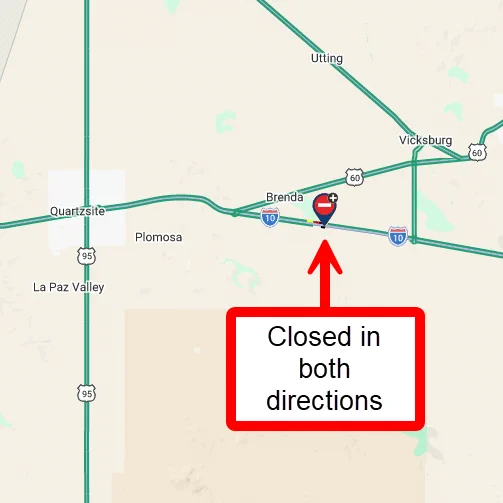
La Paz County transit requires at least four riders for long trips
Long trips on La Paz County transit only run when four riders sign up, making the service a lifeline for medical, work and government trips, but not a guaranteed daily bus.
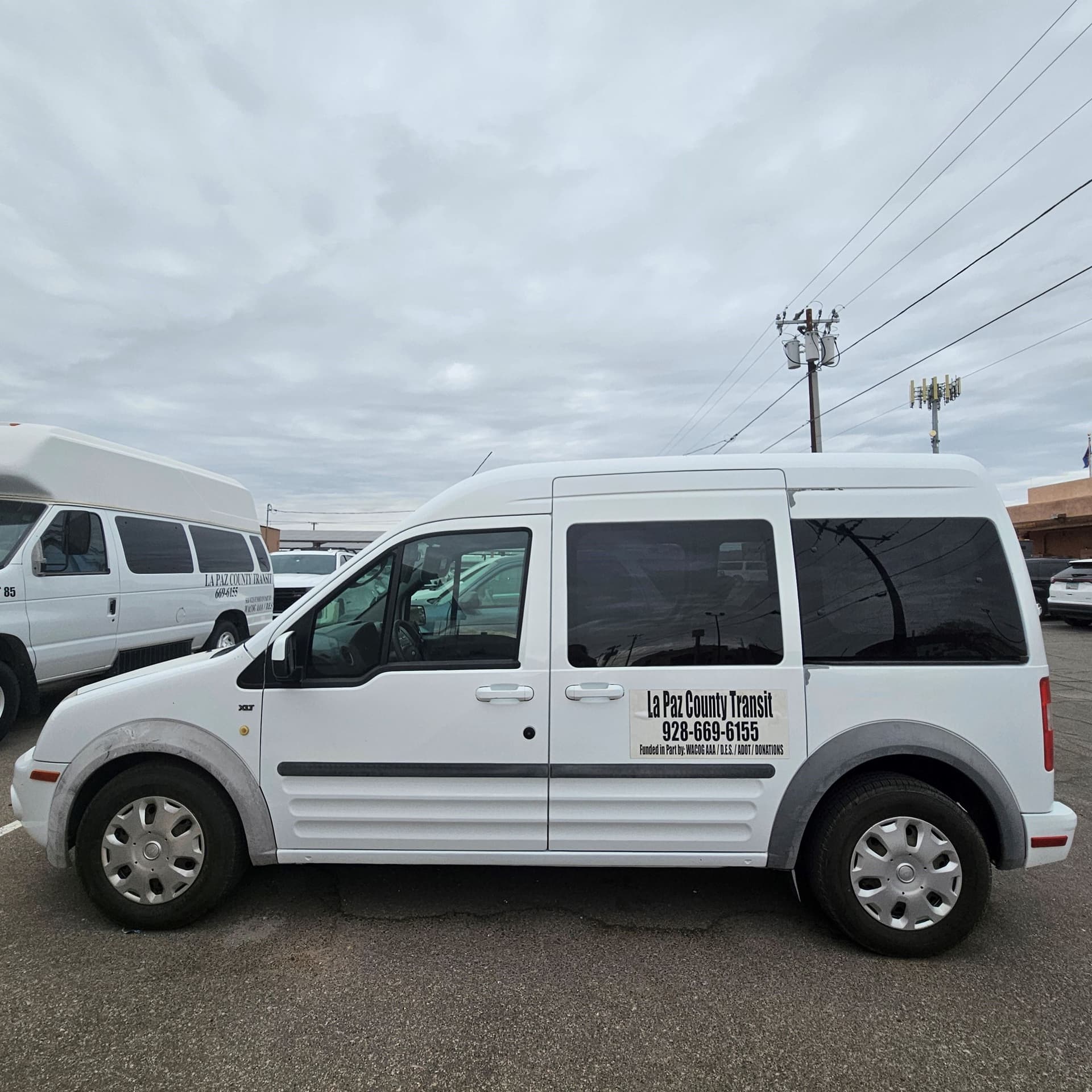
All outlying transit runs in La Paz County must have at least four riders for a trip over 15 miles. For people in Parker, Quartzsite, Bouse, Salome and Ehrenberg, the service can mean the difference between making a medical appointment, getting to work, reaching a government office or simply handling errands across a county that is larger than many states.
Who can actually use county transit
Residents whose daily life depends on crossing long stretches of desert and river corridor to reach the nearest town center are the people most likely to use the county’s transit system. The trips that matter most are the practical ones: medical appointments, work shifts, shopping, and runs to Parker or Quartzsite for services that are not available in every small community.
In a county where more than 56 percent of residents live in rural areas, the transit option is aimed at the basic tasks that keep households functioning, not at casual travel.
The rule that shapes long-distance service
That minimum changes the meaning of service for anyone planning a longer ride. It means a trip is not simply scheduled because one person needs it, and it also means the day’s schedule can shift as demand changes.
Schedules are subject to change at any time because of that rule. It is the operating reality of transit in a county where long miles, sparse population and the cost of running a vehicle have to be balanced against the need to reach appointments and services on time.
Why geography drives the transit design
La Paz is Arizona’s youngest county, established in 1983, and it covers 4,518 square miles with 30 square miles of water. The 2020 Census counted 16,557 residents, spread across a landscape where annual precipitation ranges from 2 to 20 inches depending on elevation and location.
The Colorado River forms the county’s entire western border, shaping travel patterns and service reach. In a county this large and dry, with communities separated by open land and long road distances, transit has to be selective about when and where it can reliably move people.
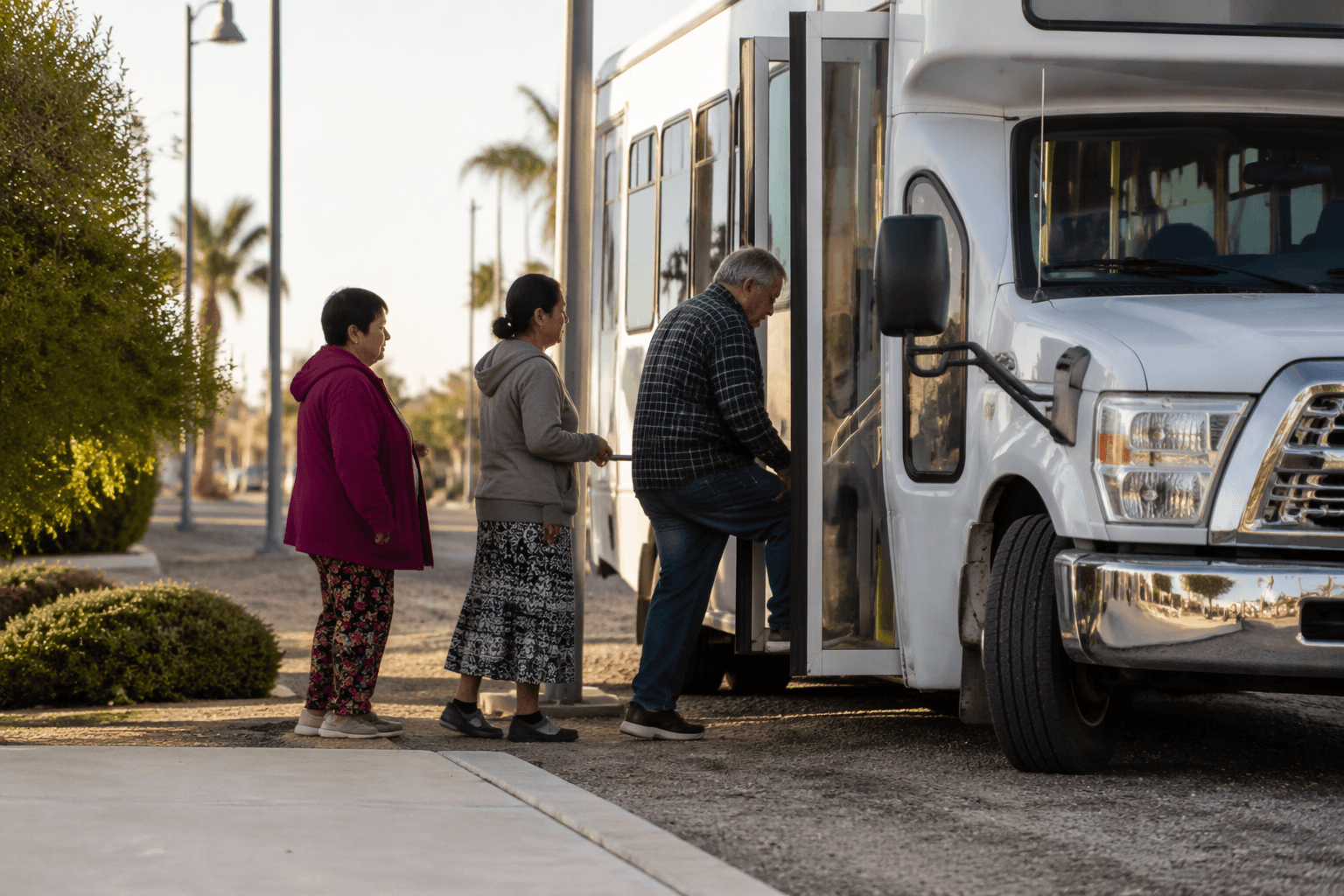
For residents in places like Ehrenberg or Salome, a missed ride is a bigger problem than it would be in a denser county. A trip that might look routine on a map can become a half-day commitment when the nearest service point, appointment location or store is dozens of miles away.
Planning has been countywide for years
A 2010 La Paz Transportation Planning Study was funded through the Arizona Department of Transportation’s Planning Assistance for Rural Areas Program and was jointly conducted by ADOT, La Paz County, the Town of Quartzsite, the Town of Parker and the Colorado River Indian Tribes.
WACOG’s Regional Transit Implementation Plan covers a transit planning region that includes all of La Paz and Mohave counties. That region covers 18,100 square miles and had a combined 2020 Census population of 229,824.
Funding and compliance are part of the service too
ADOT’s Rural Public Transit Grant Program, which includes Sections 5311 and 5339, is intended to address the mobility needs of Arizona’s rural population, and annual federal funds are apportioned to the state by formula. Service in places like La Paz County cannot depend only on local fare revenue when the population is thin and trips are spread out.
La Paz County transit also includes Title VI compliance language. The service is intended to be provided without discrimination in the level and quality of transportation service.
What the system still cannot do like a city bus
The system can help people reach Parker or Quartzsite for essential errands, but it is not a fixed-frequency system that guarantees the same trip every day. Long-distance service depends on enough riders to justify the run, and that reality can make planning harder for people in smaller communities.
This article was produced by Prism’s automated news system from verified source data, official records, and press releases, then run through automated quality and moderation checks before publishing. The system is built and supervised by the people who set the standards it runs under. Read our full AI policy.
Did this article answer your question?