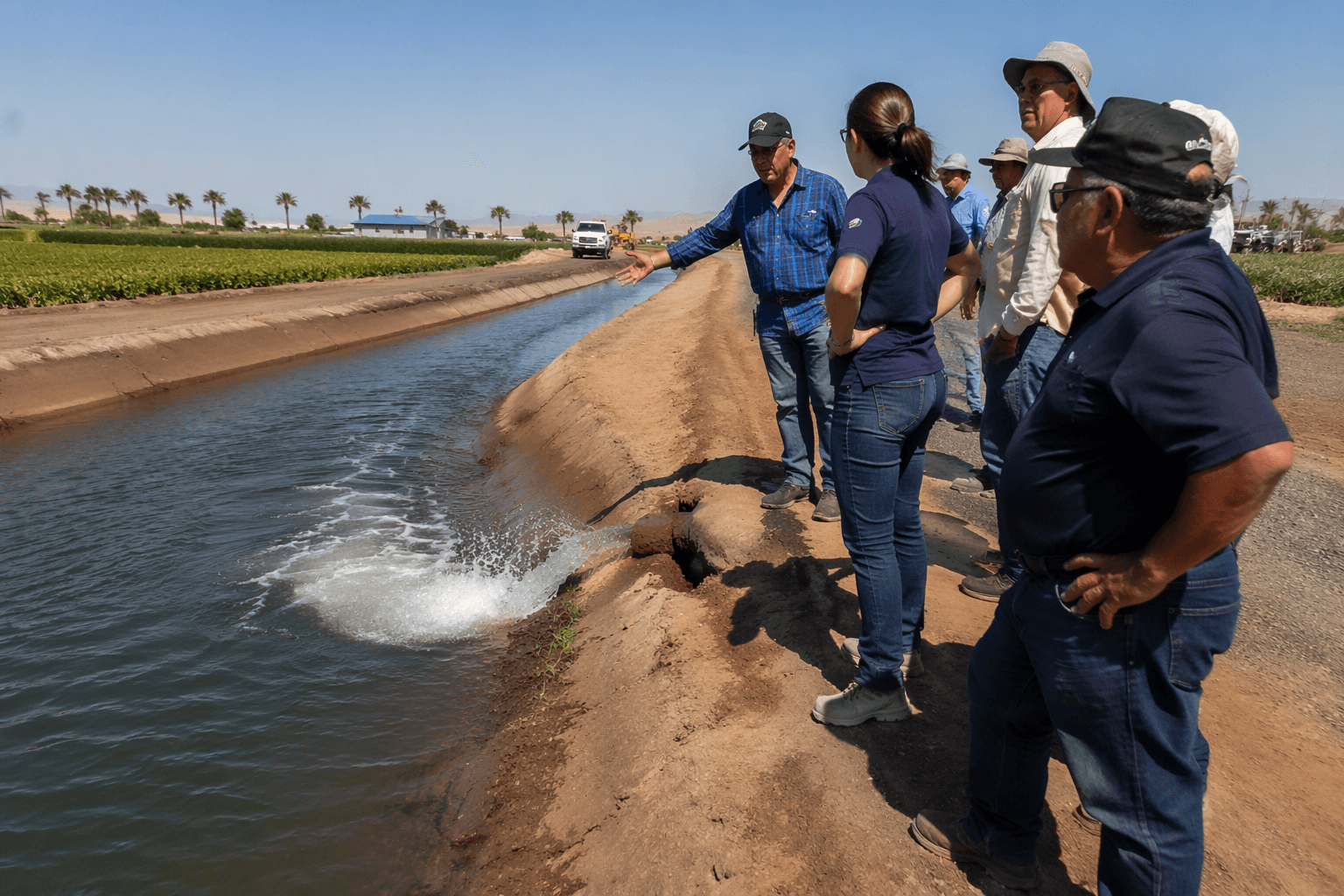
La Paz County water group urges clearer talk as groundwater rules tighten
As groundwater rules tighten in Ranegras Plain, La Paz County residents are watching who gets to pump, who must report, and whether new supply plans protect small towns.
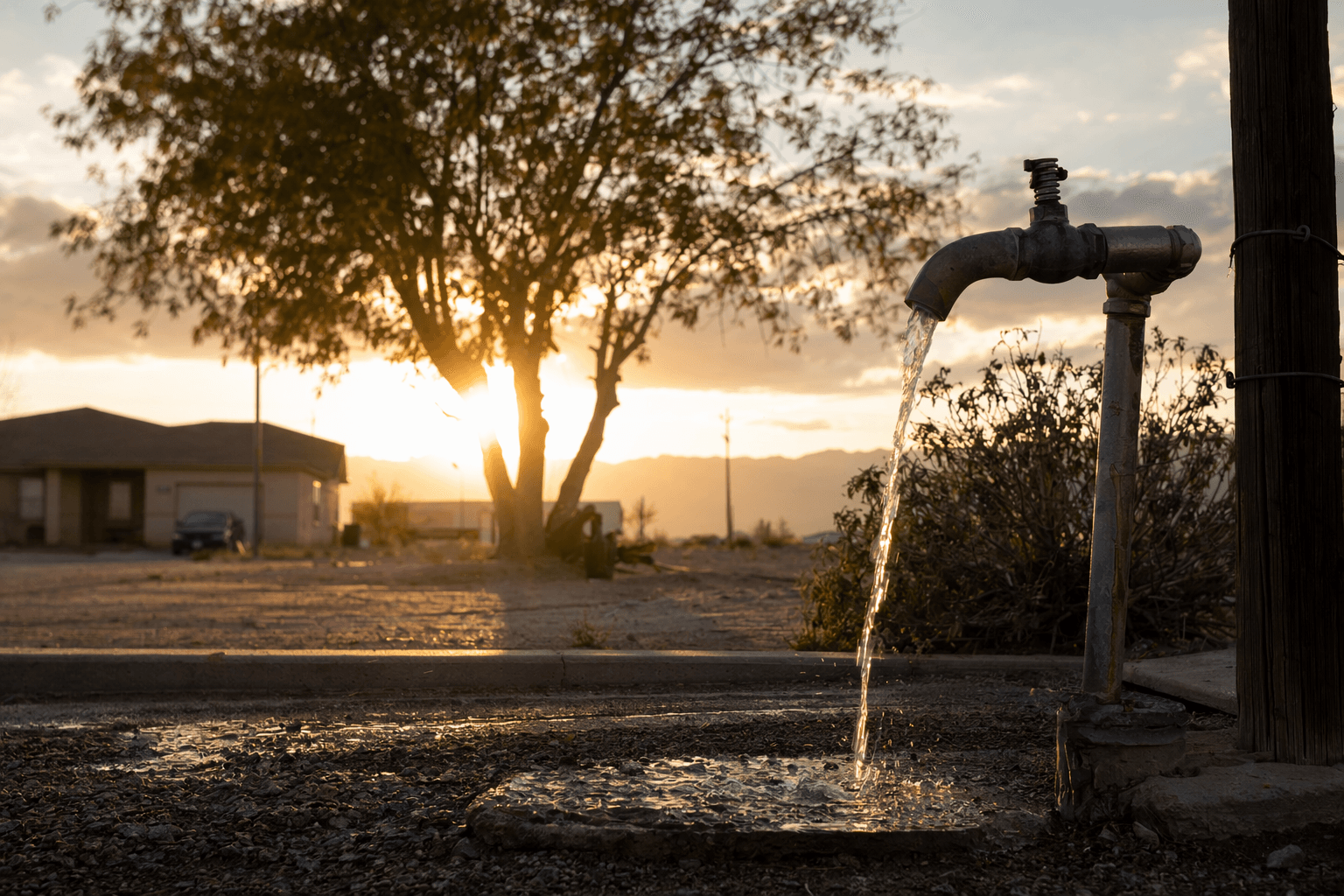
Groundwater is now a kitchen-table issue in La Paz County, where the choices made in Phoenix and in basin maps could shape whether homes, farms and small water systems have enough supply to grow. The Water Alliance of La Paz County used its April newsletter to press for clearer, more locally grounded talk as the state tightens rules in the Ranegras Plain and lawmakers debate new groundwater transportation bills that could reshape the county’s future.
The biggest shift came when the Arizona Department of Water Resources designated the Ranegras Plain Groundwater Basin as Arizona’s eighth Active Management Area and the third created since 2022. Director Tom Buschatzke issued the Findings, Decision and Order on January 9, 2026, after the department said withdrawals had outpaced natural recharge by roughly 900 percent and one well had dropped more than 240 feet since the 1980s. The basin spans portions of La Paz and Yuma counties, and most high-capacity wells in the new AMA now must begin measuring and reporting groundwater use.
The Alliance says that kind of change is exactly why residents need a place to ask questions and get plain-language explanations. The group has expanded its website with a legislation page tracking groundwater bills and what they could mean for La Paz County, along with blog posts on aquifers, transportation basins and groundwater transfer proposals. It has also posted recordings and summaries from a recent virtual community meeting, plus links to information from agencies and institutions such as ADWR and the University of Arizona Water Resources Research Center. In a county where many residents rely on private wells or small local systems, the difference between a technical filing and a real-world water shortage can be immediate.
The legislative fight is centering on HB 2757 and HB 2758. HB 2757 concerns Butler Valley groundwater in La Paz County. HB 2758 concerns McMullen Valley eligible entities and groundwater transportation. ADWR’s legislative summary says HB 2758 would authorize transportation of groundwater to an initial active management area or limited use in La Paz County and require annual reporting of withdrawals from the McMullen Valley basin. The basin covers about 720 square miles and includes Wenden, Salome and Aguila, where about 3,000 people live.

The McMullen Valley dispute has drawn the sharpest pushback because of the role of Water Asset Management and its subsidiary Emporia III, which bought 13,000 acres of farmland in the basin in 2024 for $100 million. Reporting in March said residents and water district officials warned the legislature was effectively shifting one community’s water burden onto another, with some saying the basin’s shrinking supply, dry wells and land sinking should not be turned into a market asset. For La Paz County, where the 2020 census counted 16,557 residents and Quartzsite alone had 2,413, the issue is no longer abstract: water rules are now tied directly to land use, future growth and who gets to decide how much groundwater stays in the ground.
This article was produced by Prism’s automated news system from verified source data, official records, and press releases, then run through automated quality and moderation checks before publishing. The system is built and supervised by the people who set the standards it runs under. Read our full AI policy.
Did this article answer your question?