La Paz County's Colorado River Corridor Drives Tourism, Economy, and Recreation
On the 110-mile patrol corridor deputies call their own, one missing life jacket or a BAC over 0.08% ends your day on La Paz County's Colorado River fast.
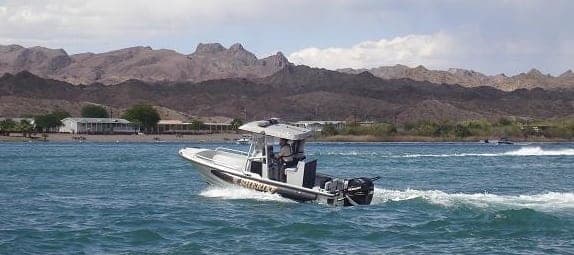
The La Paz County Sheriff's Boating Safety and Enforcement Division covers ground that would exhaust most agencies: the Parker Strip (officially Lake Moovalya), the South Basin of Lake Havasu, Lake Alamo, and 110 miles of the Lower Colorado River, all worked by two specially constructed 21-foot Boston Whaler patrol boats. Sheriff Ponce's deputies share that water with Arizona Game and Fish wardens, Parker town officers, and, in tribal zones, Colorado River Indian Tribes public safety personnel. When those agencies converge during a busy holiday weekend, the ticket and rescue rate climbs fast. Understanding what they look for is the difference between a good day on the water and a very expensive one.
The Violations That Will End Your Day
Alcohol tops the enforcement list every season. Under Arizona Revised Statutes § 5-395, operating a motorized vessel with a blood alcohol concentration of 0.08% or higher is a criminal offense, not an infraction. Arizona Game and Fish wardens hold full peace officer authority on the river and conduct saturation patrols and checkpoints during peak months, typically Memorial Day through Labor Day. BUI carries the same consequences as a driving DUI: arrest, license suspension, and potential jail time.
Life jackets are the second flashpoint. Arizona law requires one U.S. Coast Guard-approved personal flotation device per person on board, fitted properly. Children on open boats or personal watercraft must wear theirs at all times, no exceptions. Deputies and wardens check this at launch ramps and on the water. An ill-fitting or stuffed-under-the-seat PFD does not satisfy the law.
Speed in no-wake zones rounds out the top three. Marinas, launch ramps, and residential docking areas on the Parker Strip post no-wake designations; respecting them is both a legal requirement and basic courtesy to year-round residents whose docks line those stretches. Unregistered vessels are a fourth common citation: boats and personal watercraft must display current registration numbers, and deputies at the ramp will check before you clear the dock.
Night operation without proper lighting rounds out the list. If you plan to be on the water at dusk or after dark, ensure running lights are functioning. The Lower Colorado River carries commercial traffic, submerged hazards, and other recreational boaters who cannot see an unlit vessel until it is too late.
Public Access Points: The Practical Rundown
The Parker and Martinez Lake corridor is where most public ramps concentrate. Both areas offer seasonal marina facilities with fuel, slip rentals, and launch services; the Parker marina is the most centrally located and typically the first point of call for visitors arriving via Highway 95. Martinez Lake, situated farther north toward the Yuma County line in the wildlife refuge corridor, attracts anglers and kayakers who prefer calmer backwater channels over open-river boat traffic.
For shoreline fishing, public river bank access near Parker is available without a ramp fee, but check local signage: some stretches adjacent to the Parker Strip carry parking restrictions, and overnight vehicle staging without a permit is not allowed. Day-use areas near the ramps generally operate during daylight hours, and some seasonal operations reduce hours or close outside the spring-to-fall peak window.
Before you go, confirm current conditions and any fee changes directly with the Parker Regional Chamber, which maintains an updated launch-site map and event contact list, or with the Parker marina directly. Fees and hours shift seasonally, and the Chamber's calendar also flags when high-profile events such as sanctioned jet ski competitions or boat races will create congestion at specific ramps.
Reading the River Before You Launch
Wind and river flow on the Lower Colorado can shift within an hour. The river below Parker Dam responds to release schedules that are not always predictable for recreational users, and afternoon wind patterns through the desert corridor routinely push whitecaps onto what looked like flat water at dawn. Check National Weather Service forecasts specific to the Parker area before launching, not the general Phoenix or Yuma forecast.
During flood events or periods of sustained high wind, the county or state agencies may close boat launches entirely. This is not a suggestion: closed launches are enforced, and attempting to put in at a closed ramp delays rescue resources and creates liability. The Parker marina and Chamber websites are the fastest public sources for closure notices.
Emergency Planning: What Responders Ask You to Do
The single most underused safety tool on the river is the float plan. Before launching, leave your intended route, destination, and expected return time with someone on shore who knows to call 911 if you do not check in. Emergency calls from the water should include your approximate river mile or the nearest named landmark, since GPS coordinates are harder to relay under stress and riverside landmarks give rescue boats a faster fix on your position.
Carry a charged phone in a waterproof case. The county emergency number is 911. High-profile events that draw concentrated crowds, from military-vehicle displays to river festivals on the Parker Regional Chamber's calendar, also draw concentrated demand for emergency medical services; event organizers coordinate with La Paz County public safety and medical providers in advance, but individual boaters should not rely on event infrastructure as a substitute for their own preparation.
Economy, Events, and Responsible Use
The Colorado River corridor is La Paz County's economic backbone. Marinas, bait and tackle shops, outfitters, food vendors, and lodging operations along the Parker Strip and into the Ehrenberg area depend on seasonal visitor traffic to sustain year-round employment. Tourism tax receipts from the corridor fund county services that residents use regardless of whether they own a boat.
The Parker Regional Chamber coordinates recurring events that cycle through the corridor across the calendar year, including road races, sanctioned on-water competitions, and military-vehicle and swap-meet gatherings that draw visitors from across the Southwest. Large events require advance coordination with public safety, sanitation, and traffic management; if you are organizing rather than attending, contact the Chamber and local authorities well before your planned date.
Year-round residents share the same water and riverfront neighborhoods that seasonal visitors treat as a destination. Quiet hours near residential docks, proper waste disposal at designated facilities, and respect for private property are not optional courtesies; they are the foundation of a corridor that has stayed productive for locals and visitors alike. The communities along La Paz County's 110-mile river jurisdiction have spent decades building an economy around access to that water, and every boat that launches into it carries a share of the responsibility to keep it that way.
This article was produced by Prism’s automated news system from verified source data, official records, and press releases, then run through automated quality and moderation checks before publishing. The system is built and supervised by the people who set the standards it runs under. Read our full AI policy.
Did this article answer your question?