Parker notice hub highlights police accreditation, jailhouse rehab, moratorium issues
Parker’s notice page puts a jailhouse rehab bid, police accreditation comment period, and building moratorium hearing in front of residents at once.
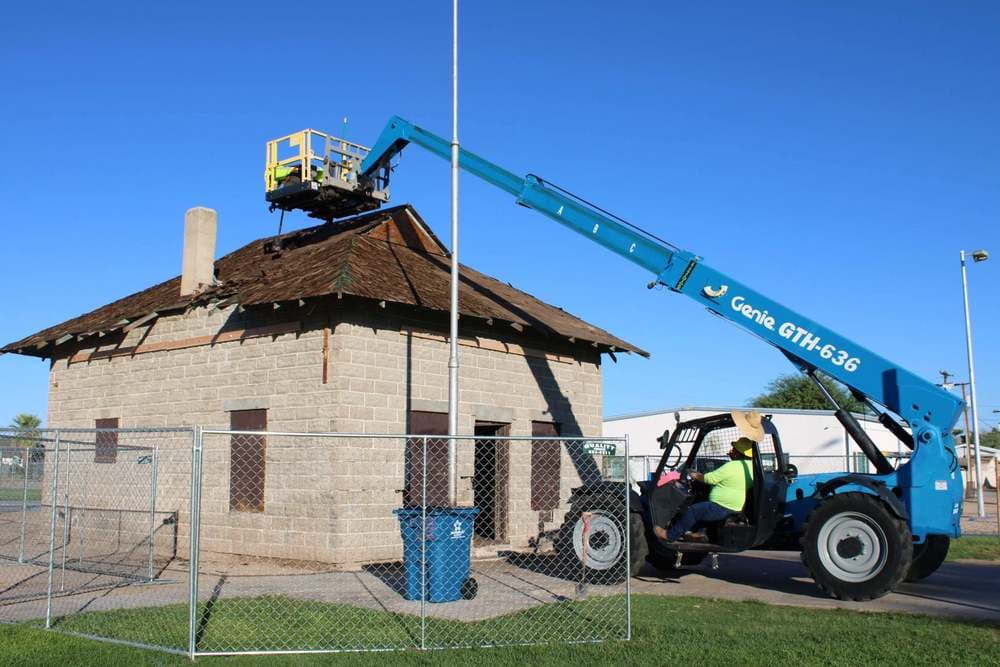
The biggest money and preservation question on Parker’s notice board is the Parker Jailhouse Historic Building Rehabilitation Project, now in the town’s formal bid stream. That matters because a bid notice is where a public project moves from planning into competition, with taxpayer dollars on the line and the next decision likely to shape whether the nearly 110-year-old building is stabilized, preserved, or repurposed.
Town public works already showed work underway at the old jailhouse. Structural supports were installed on the interior walls before roof removal, and town staff removed the drywall ceiling, light fixtures and shake shingles. The town has described the structure as nearly 110 years old, which helps explain why the rehab cannot be delayed without risking higher repair costs later. Parker’s own history page adds the broader context: the town site was laid out in 1908, federal lots were auctioned in 1910 and by 1914 Parker had a population of 90.
The notices hub also puts police oversight in public view. The Parker Police Department is seeking or has posted for its state accreditation assessment, and the town says it is the first and only accredited law-enforcement agency in La Paz County. Chief Michael Bailey said the department began its self-assessment in July 2022 and received a $160,000 U.S. Department of Justice grant to support the effort. ALEAP accreditation requires compliance with more than 300 standards and substandards, and initial accreditation lasts no more than four years, with annual compliance checks required. That means the town’s police badge of approval is not a one-time achievement; it carries continuing obligations that residents should watch closely.
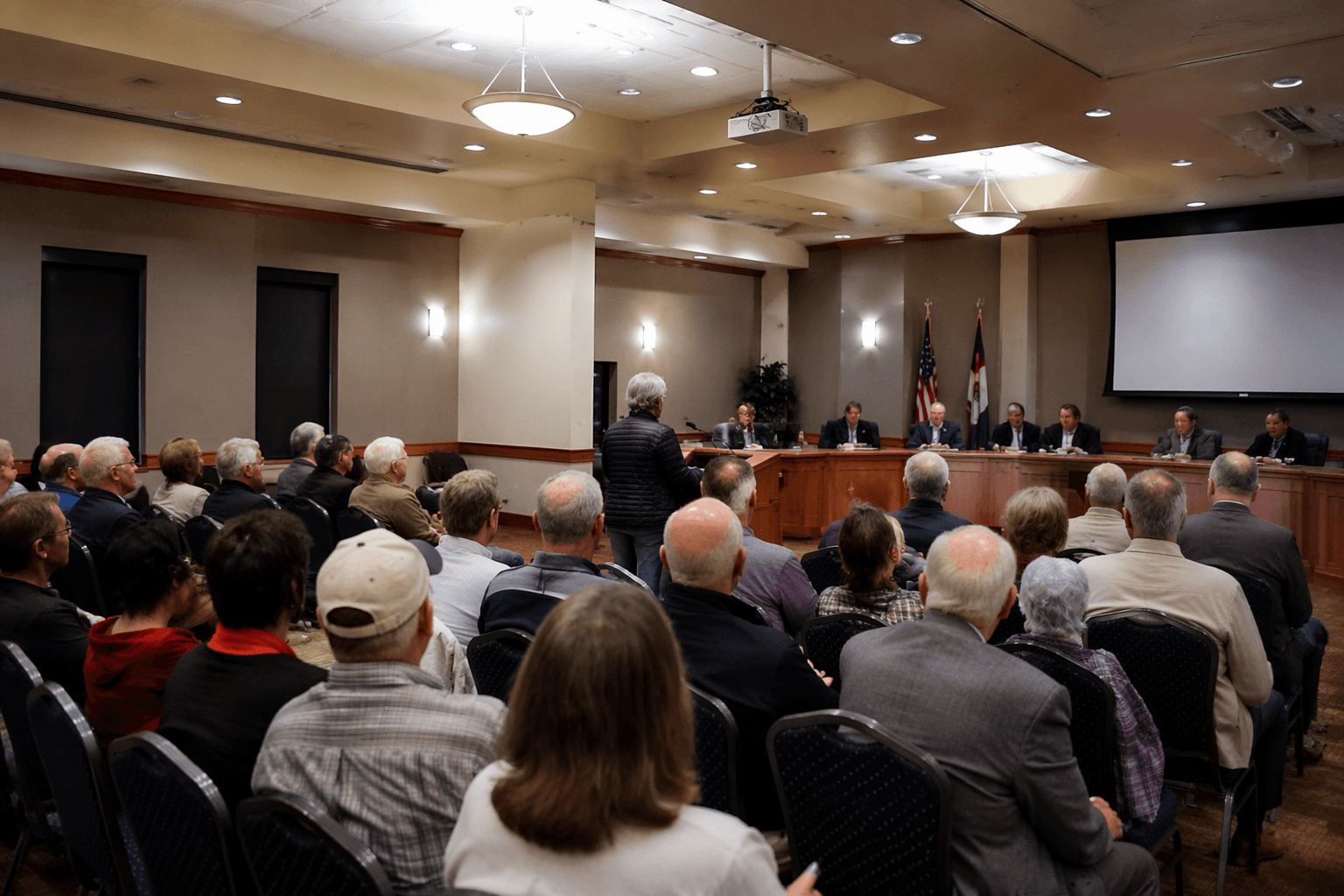
Two other notices have immediate consequences for Parker property owners and residents. One covers recreational marijuana updates under Ordinance 01-2025, which signals that local rules around cannabis use, business activity or enforcement may be changing. Another involves a building moratorium, and the page also lists a public hearing on that moratorium, giving downtown owners and anyone with a permit pending a clear reason to follow the agenda. In a town where land use can shape everything from storefront repair to redevelopment, a moratorium can freeze projects until officials decide whether to extend it, revise it or lift it.
The notices page also references a separate issue tied to millions of dollars in emergency infrastructure costs after a joint venture collapsed. That is the kind of fiscal problem that can spill directly into taxes, service levels and capital priorities. With council agendas posted 24 hours in advance and public records requests routed through the clerk, Parker’s notice system is one of the few places residents can track how the town is balancing preservation, policing, regulation and emergency spending before those choices harden into policy.
This article was produced by Prism’s automated news system from verified source data, official records, and press releases, then run through automated quality and moderation checks before publishing. The system is built and supervised by the people who set the standards it runs under. Read our full AI policy.
Know something we missed? Have a correction or additional information?
Submit a Tip