Parker tour highlights Colorado River water storage, local ties
A Parker facility tour showed how Colorado River water is stored and moved, and why a 1930s river site still shapes local business planning.
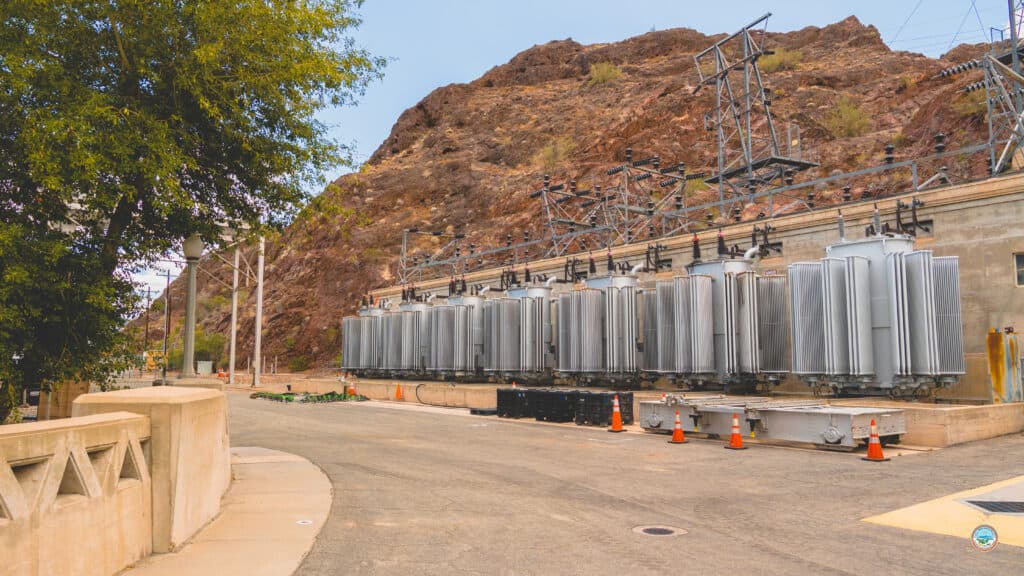
A Parker tour brought CRIT Media, Parker Area Chamber of Commerce representatives, local business owners and law-enforcement participants inside Metropolitan Water District property to see how Colorado River water is stored and managed in a system that still anchors the Lower Basin.
The visit also put Parker’s own history on display. Early-1930s buildings remain on the property, and Gina Chavez, a Parker-born employee, told visitors she grew up on the grounds. That personal tie turned the stop into more than a look at infrastructure: it showed how the water district has been woven into the town’s daily life and labor force for decades.

The Metropolitan Water District of Southern California was formed in 1928 to secure water for Southern California and now serves nearly 19 million people through aqueducts, reservoirs, pumping plants and pipelines. One of its most important links is the Colorado River Aqueduct, which begins at the W. P. Whitsett Intake Pumping Plant on Lake Havasu, runs 242 miles to Lake Mathews near Riverside, California, and can divert up to 2,250 cubic feet of water per second. Bureau of Reclamation materials also say the aqueduct can deliver about 1 billion gallons of water a day.
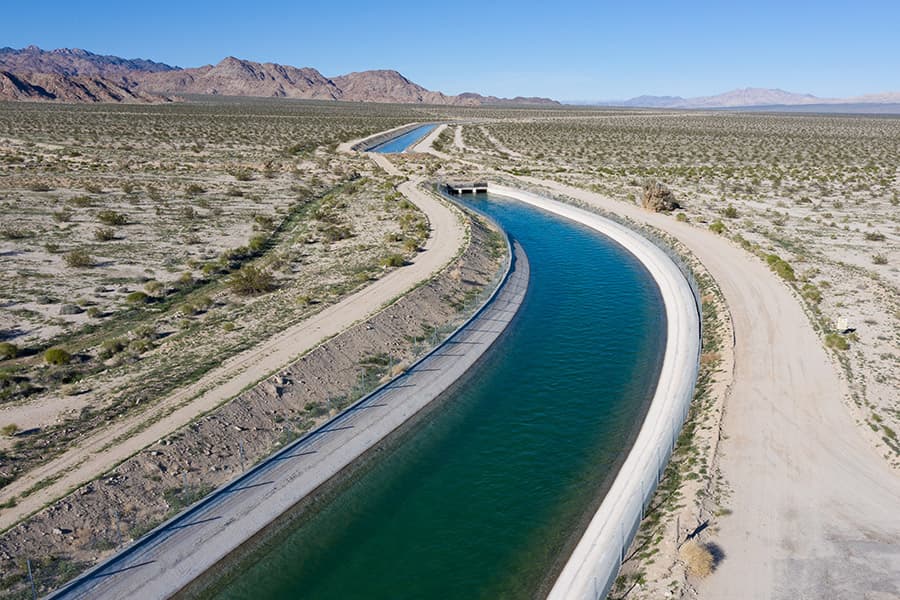
Parker Dam, which forms Lake Havasu, was built between 1934 and 1938. Excavation began in October 1934, and the dam was substantially completed in September 1938. Lake Havasu serves as a forebay and desilting basin before water is pumped into the aqueduct, and about half the power generated at Parker Dam is reserved for Metropolitan Water District to move Colorado River water south.

For La Paz County, the significance is immediate. The Parker corridor is not just a scenic stretch of the river; it is part of the supply chain that helps determine water reliability, business planning and the practical limits of growth in a county tied to Colorado River operations. The broader Colorado River Basin covers about 250,000 square miles and supplies water, hydropower, recreation and habitat benefits across seven U.S. states and Mexico, which makes every local connection to the system, including Parker’s, part of a much larger regional balance.
This article was produced by Prism’s automated news system from verified source data, official records, and press releases, then run through automated quality and moderation checks before publishing. The system is built and supervised by the people who set the standards it runs under. Read our full AI policy.
Did this article answer your question?


