Quartzsite Camel Express connects western La Paz County riders
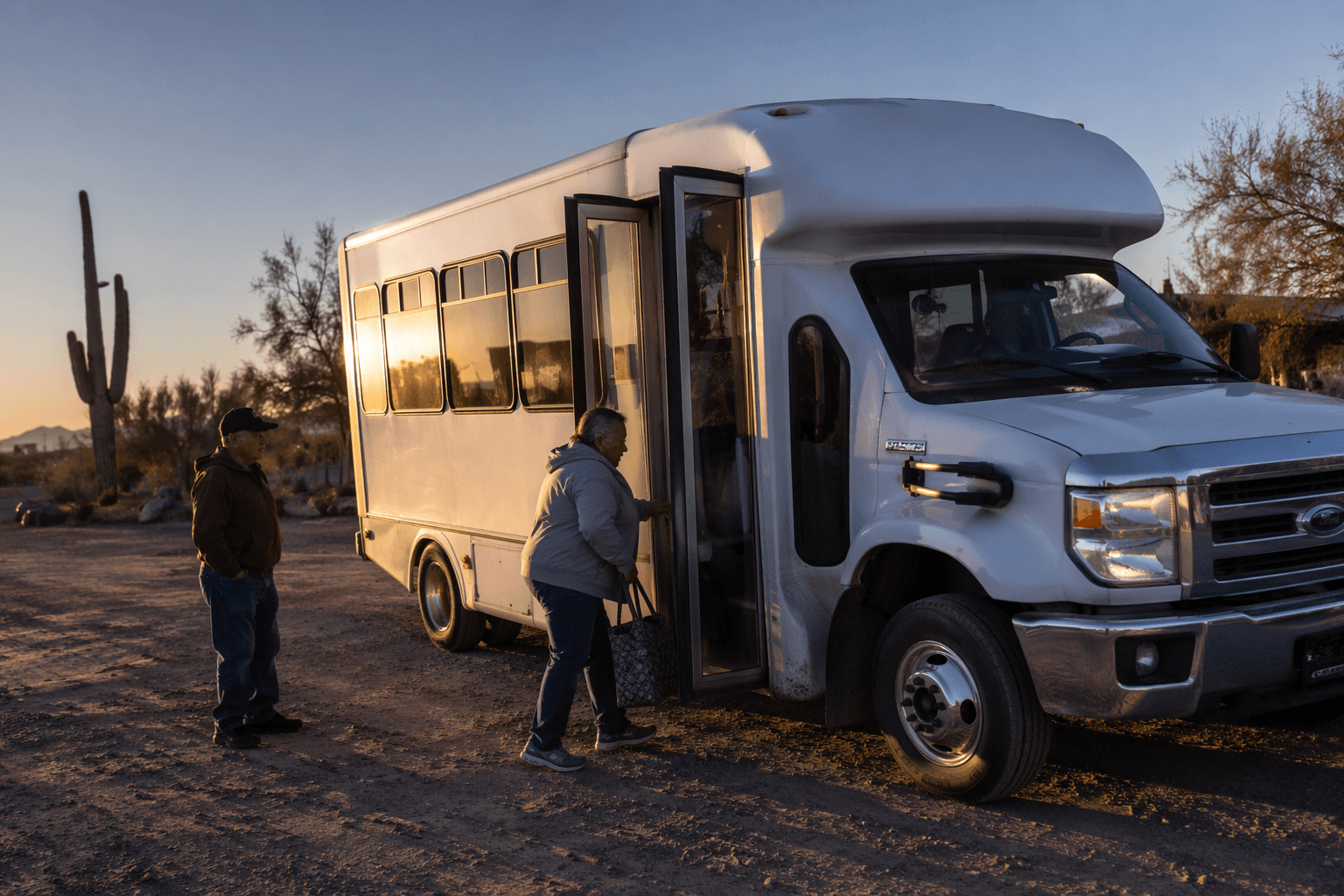
Camel Express is the desert lifeline for western La Paz County, carrying riders to doctors, groceries and jobs when driving is not an option.
A transit lifeline in the desert
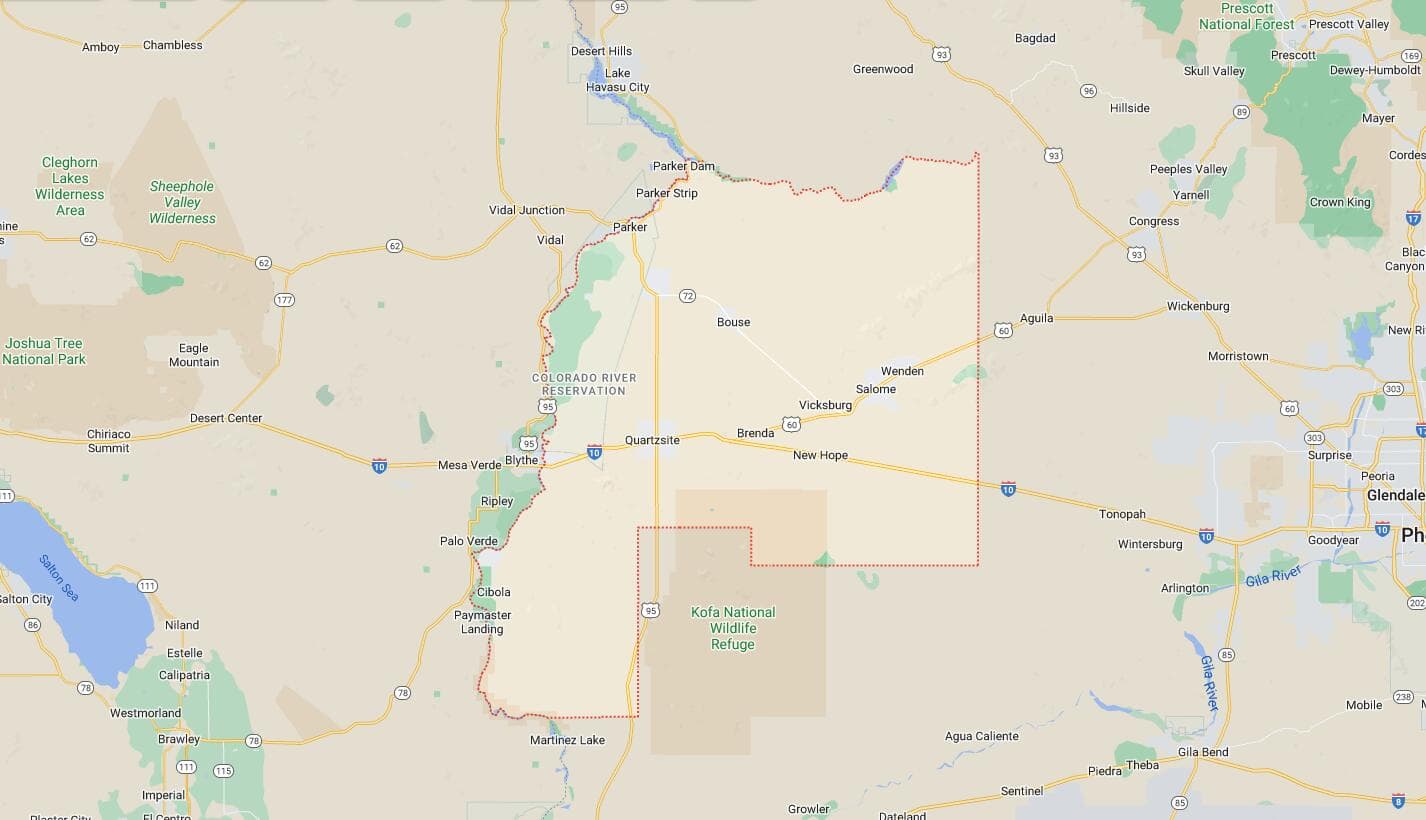
In western La Paz County, Camel Express is more than a ride. It is the thread that ties Quartzsite, La Paz Valley, Rainbow Acres and seasonal camping areas to the places people need every week, from grocery stores and senior lunches to medical appointments, government offices and jobs in Parker and Ehrenberg.
That matters in a county where communities are spread thin across desert miles and private vehicles are not always available. For seniors, disabled riders, caregivers, workers without a car and residents trying to stretch a fixed income, the service can determine whether a trip happens at all.
How Camel Express works
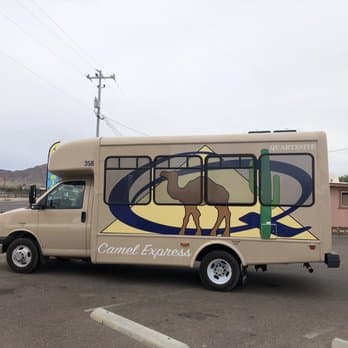
Quartzsite operates Camel Express as a curb-to-curb Dial-A-Ride service, which means riders are picked up and dropped off at the curb rather than at a fixed bus stop. The service runs Monday through Friday, and the town says all vehicles are mobility-aid accessible, making the system usable for riders who use wheelchairs, walkers or other devices.
The town says Camel Express is open to everyone, not only to seniors or people with disabilities. Riders can use it for everyday transportation needs across western La Paz County and beyond, including Parker, Ehrenberg, Lake Havasu City, Yuma and Blythe, California. The town also provides transit office contact information and TDD/TTY access through Arizona Relay Service, an important detail for riders who need accessible communication to ask questions or arrange travel.
Who depends on it most
The service is designed for broad public use, but it is especially important for older adults and people who cannot drive. La Paz County transit information says the system is used for medical appointments, grocery stores, the post office, the bank, the food bank, the library, the senior center and other businesses. Quartzsite also lists work, school, meetings, senior center lunches, events and other everyday trips among the reasons people ride.
That mix tells the story of rural transit in a place like La Paz County: the bus is not just for recreation or special occasions. It is part of the infrastructure that helps residents stay connected to food, health care, income, public services and social life. When transportation is scarce, limited or expensive, a route to a pharmacy or a doctor can be just as important as a ride to work.
What riders should know when service is limited
As useful as Camel Express is, it also operates with the limits that come with rural transit. La Paz County transit information says the system has been in service for more than 20 years, but that pickups and departure times are approximate because of limited drivers. It also says destinations and schedules can change, which is a reminder that a rural Dial-A-Ride system does not run like a city bus with fixed stops and fixed timetables.
The county notes another reality of long-distance service: some outlying runs require at least four riders for a trip over 15 miles. That kind of threshold helps explain why service can be harder to secure in less populated corners of the county, especially for residents farther from the main Quartzsite area.
There is also a specific restriction tied to Lake Havasu City trips. County transit information says those rides may only be scheduled for medical appointments not covered by other funding. For riders who live with chronic illness, disability or limited income, that condition can shape whether a trip is possible and how quickly care can be reached.
A safety net for seniors
One of the most meaningful parts of the Camel Express system is the free-ride program for seniors funded through the WACOG Area Agency on Aging. Local resource listings say seniors enrolled in the AAA Pass Program can receive up to ten free rides per month while funding lasts.
The program can cover trips to medical appointments, pharmacies, grocery stores, social services and senior nutrition programs. In a county where older residents may live far from family support, stores and clinics, that small monthly allotment can help keep people independent longer and reduce the risk of missed appointments or skipped errands.
That is the public health value of rural transit at its clearest point. When transportation is reliable and affordable, people are more likely to make it to a doctor on time, fill prescriptions, get food and stay connected to services that support aging safely at home.
The funding structure behind the rides
Camel Express is part of a broader regional system, not an isolated town program. The Western Arizona Council of Governments says its Transit Planning Region covers all of La Paz and Mohave counties, a total of 18,100 square miles, with an estimated combined population of 229,824 in the 2020 Census. Quartzsite is one of only two rural public transit provider areas in that region, alongside Peach Springs.
That regional framework matters because rural transportation depends heavily on grant support. The Arizona Department of Transportation says Section 5311 rural transit funds are meant to improve access to health care, shopping, education, employment, public services and recreation. Section 5310 funds support mobility for seniors and individuals with disabilities. Quartzsite’s transit page points to a public notice posted Jan. 13, 2026, about a Transit Department ADOT Grant Application for 2026-2028, showing the service is actively seeking continued support.
The town also has a Camel Express FTA procurement policy adopted as Ordinance No. 24-03. Together, those details show a transit program built to last, maintained through public funding, grant administration and formal policy rather than temporary or seasonal improvisation.
A name rooted in Quartzsite history
Camel Express also carries a name that fits Quartzsite’s identity. The town’s history pages say the Hi Jolly Monument honors Hadji Ali, also known as Hi Jolly, one of the camel drivers in the U.S. Army’s 1850s camel experiment in the American Southwest. Quartzsite says the monument was erected in 1934 over his grave, and that Hi Jolly died in December 1902 in what was then Tyson’s Well.
The town also notes that after the camel experiment ended, Hi Jolly became a prospector, scout and courier. That history gives Camel Express a local resonance that goes beyond branding. In a desert town where travel has always shaped daily life, the name links today’s curb-to-curb transit service to Quartzsite’s long memory of mobility, endurance and survival.
Camel Express is not just moving people across western La Paz County. It is helping residents reach care, food, work and community in a place where distance can otherwise decide who gets left behind.
This article was produced by Prism’s automated news system from verified source data, official records, and press releases, then run through automated quality and moderation checks before publishing. The system is built and supervised by the people who set the standards it runs under. Read our full AI policy.
Know something we missed? Have a correction or additional information?
Submit a Tip