Rising housing costs send nomads to Quartzsite's affordable desert campsites
A $180 permit buys seven months on Quartzsite’s BLM lands, turning La Posa into a low-cost refuge as housing pressure pushes more people into the desert.
Why Quartzsite is becoming the release valve
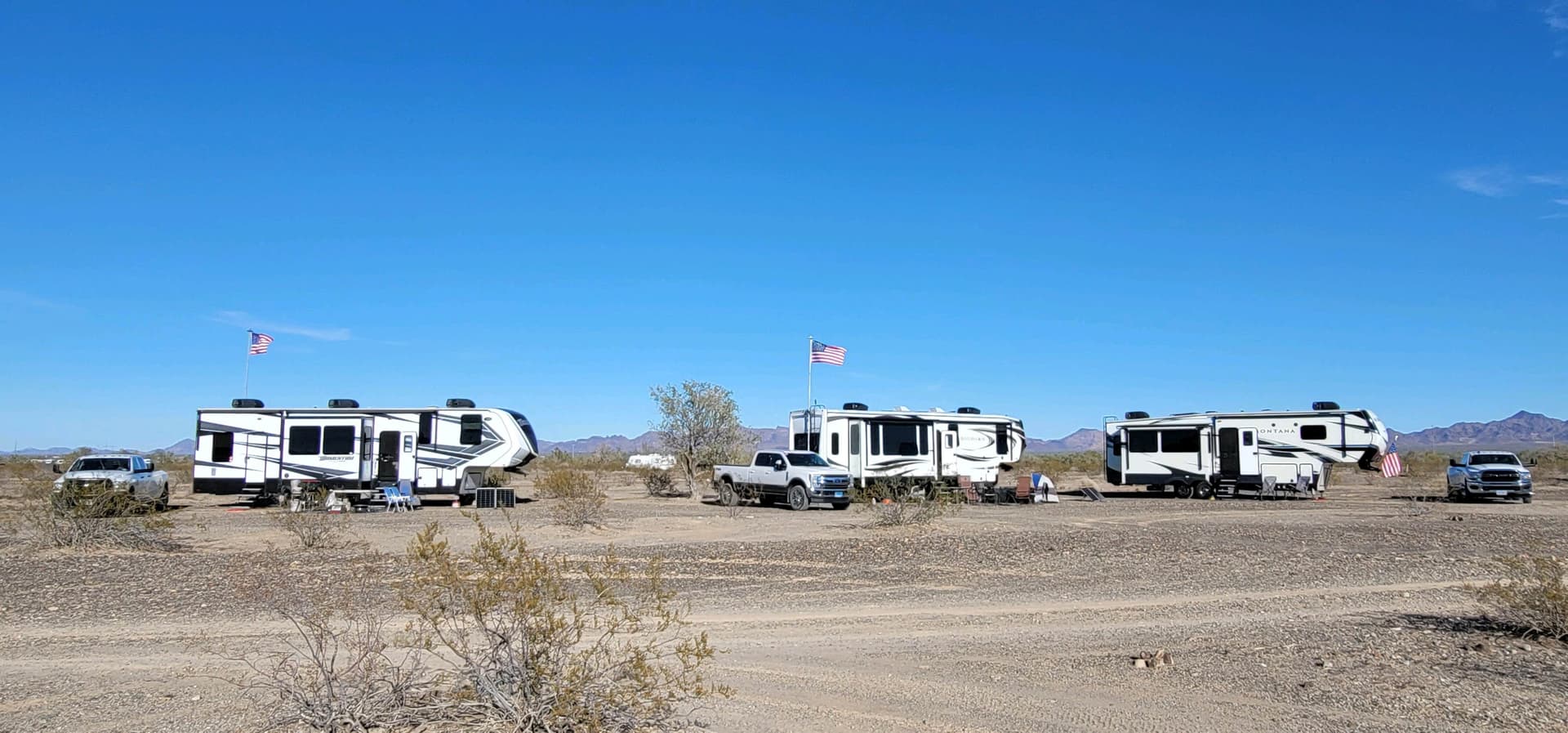
A seven-month stay on public land south of Quartzsite costs $180, or about 85 cents a day. For van lifers, RV travelers and other people living on wheels, that price has become hard to ignore as housing costs stay tight across Arizona and conventional rentals remain out of reach for many households.
Quartzsite’s appeal is not just cheap camping. It is the rare place where the Bureau of Land Management allows extended stays on a large, managed tract of desert land, while most dispersed camping elsewhere is limited to 14 days in any 28-day period. That makes the Quartzsite area a legal exception as much as a destination, and it helps explain why this small La Paz County town has become a magnet for people looking for something closer to shelter than recreation.
How La Posa LTVA works
The La Posa Long Term Visitor Area, south of Quartzsite, was created in 1983 to serve winter visitors and to protect the desert ecosystem from overuse. It covers about 11,400 acres, a size that gives the BLM room to concentrate long-stay camping in one managed area instead of spreading impacts across open desert.
The site is built around basic but essential services: vault toilets, water faucets, dump stations, trash service and a ramada. Those features matter because the appeal of desert living depends on access to water, waste disposal and a place where people can stay without constantly moving. In a landscape where dispersed camping is usually capped at two weeks, the LTVA is one of the few places where a longer, more stable setup is allowed.
What the permits actually cost
The long-term permit is valid from September 15 through April 15 and costs $180. For people who do not need the full season, a shorter permit costs $40 and covers any 14 consecutive days during the same season.
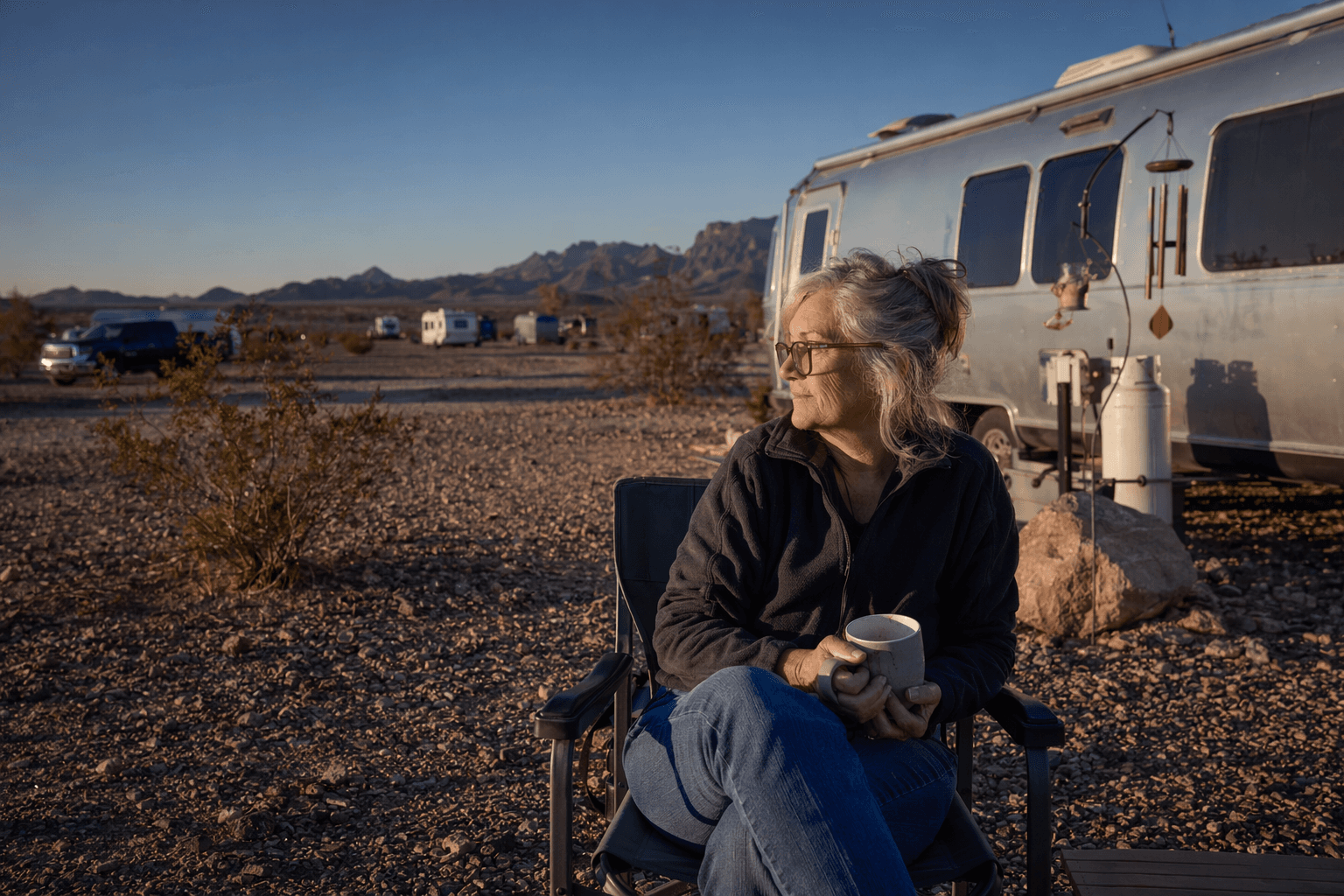
Those numbers are the core of Quartzsite’s pull. A full-season stay costs far less than a month’s rent in many places, and it comes with the flexibility that nomadic households want: no lease, no deposit, no utility hookup in the conventional sense, and no long commitment to a housing market that may be unaffordable or unavailable. Put simply, the LTVA turns public land into one of the lowest-cost legal living options in the Southwest.
Why the BLM picked this part of the desert
The BLM says the Quartzsite-area LTVAs were chosen because winter visitors were already coming here and because access roads and nearby facilities were already developed. That matters because it means La Posa was not built as an experiment in isolation. It was placed where use already existed, then formalized to keep the pressure from spilling farther across the desert.
That original logic still shapes the area today. The LTVA concentrates campers where the land can support them better, but concentration also means concentrated demand. Water faucets get used harder, dump stations see longer lines, trash accumulates faster, and the basic infrastructure built for seasonal visitors becomes the front line for managing a much larger flow of people.
What the influx means for La Paz County
Quartzsite itself is tiny by any standard. The U.S. Census Bureau counted 2,413 residents in the 2020 Census, and the town covers 36.3 square miles. That scale is important: when winter campers arrive in large numbers, they do not just visit Quartzsite, they temporarily overwhelm a town that is built to function at a far smaller year-round population.
That shift affects more than parking and campground fill rates. It shapes local services, enforcement, trash pickup, water access and the rhythm of seasonal business. The desert may look open, but the town’s public systems are not limitless, and every additional rig or van adds to the work of keeping the area livable. The identity of Quartzsite as a low-cost refuge now sits alongside a more complicated reality: a small town and a county seat area in which public-land camping is doing some of the work that housing markets have failed to do.
The pressure point for services and rules
Because long stays are so cheap and so legal in the LTVA, the area also becomes a policy pressure point. More campers mean more strain on the very amenities that make the system workable, especially water and trash service. They also raise questions about how much public land use should be subsidized, how enforcement should be handled, and how much wear the desert can absorb before the original conservation goal starts to slip.
That tension is one reason the BLM’s Yuma Field Office asked for public comment on draft recreation business plans from Sept. 6 through Oct. 21, 2024. Those plans included proposed fee changes for the La Posa and Imperial Dam LTVAs, along with future management priorities for the broader long-term visitor program. The fact that fees and management rules remain under review shows that the system is still being adjusted in response to demand, not frozen in time.
Quartzsite’s role in Arizona’s housing squeeze
The broader housing backdrop explains why public lands near Quartzsite have become such a release valve. Arizona has faced tight rental vacancy and housing market conditions, and Quartzsite’s own local profile points to relatively low incomes and limited rental stock. When those pressures meet an affordable legal camping option, the math pushes more people toward the desert.
That is why the La Posa LTVA matters far beyond a seasonal campground. It is part housing substitute, part public-land management tool, and part economic pressure gauge for La Paz County. For a town of 2,413 people, the difference between an ordinary winter and a heavy one can be measured in trash loads, water demand, enforcement calls and the steady traffic of people who are not just passing through, but trying to stay.
This article was produced by Prism’s automated news system from verified source data, official records, and press releases, then run through automated quality and moderation checks before publishing. The system is built and supervised by the people who set the standards it runs under. Read our full AI policy.
Did this article answer your question?