Swansea Ghost Town Reveals La Paz County Mining Legacy and Risks
Swansea is a deteriorating early 1900s mining camp located 25 to 30 miles east of Quartzsite that offers a vivid window into La Paz County’s extractive past, while posing real safety and access challenges for local visitors. The site sits on BLM administered land with no services, so residents and visitors should plan carefully, respect preservation rules, and be aware of vehicle and emergency implications.
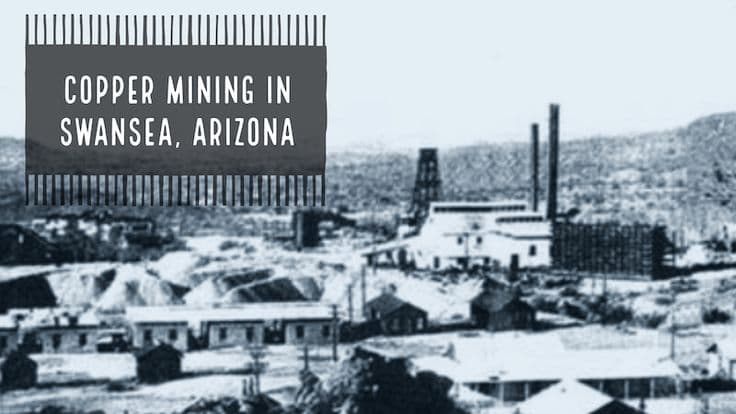
Swansea lies on public lands in eastern La Paz County, roughly 25 to 30 miles east of Quartzsite along old mining roads. Founded in the early 20th century near copper and lead and silver deposits, the community once supported mills, tramlines and a supply center for nearby mines. Like many Western mining towns, Swansea expanded during extraction booms and later contracted when ore became uneconomic or when floods and changing markets shuttered operations.
Today the site presents the visual remains of that era. Visitors will find building foundations, the ruins of mill structures, scattered pieces of equipment, earthen tailings and visible mine cuts and adits. These features make Swansea an evocative example of early 1900s mining architecture and desert industrial infrastructure, and they draw hobbyists, amateur historians and photographers from across the region.
Access is on BLM administered lands and commonly follows graded dirt roads off Highway 60 or county routes east of Quartzsite. There are no services at the site. The nearest fuel, lodging and supplies are in Quartzsite and in Wenden, so anyone traveling to Swansea should bring fuel, water, a map or GPS track and sun protection. A high clearance vehicle or SUV is recommended in wetter months because some routes can be sandy or rough. Cell coverage can be intermittent, so leaving an itinerary with someone before exploring remote roads is prudent.
Safety and preservation concerns are central to the site’s local significance. Many structures are unstable and mine openings can be dangerous. Visitors should stay on established routes, avoid entering ruins or mine openings, not trespass on active or fenced mining claims and not remove artifacts. Keeping children and pets supervised protects both people and fragile historic remains.
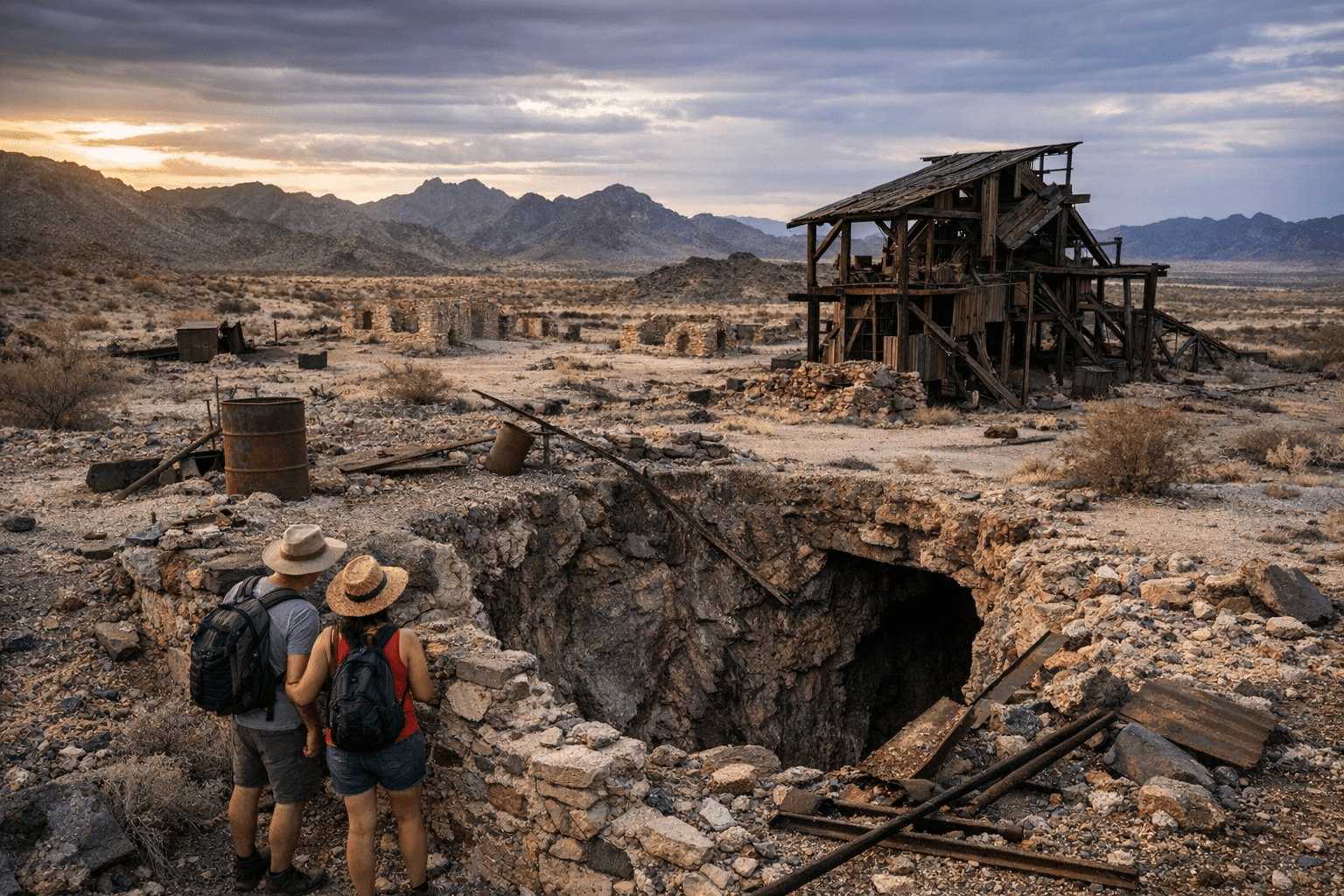
Swansea also sits at the intersection of public land management, historic preservation and recreation access. As La Paz County considers ways to support heritage tourism and public use of desert landscapes, Swansea illustrates the trade offs between public access and long term conservation. Responsible visitation reduces safety risks and preserves the site for future residents and researchers, while unmanaged traffic and artifact removal accelerate deterioration.
For La Paz County residents interested in local history the site is a tangible link to the county’s mining heritage. For public officials, land managers and community groups, Swansea underscores the need for clear access guidance, emergency preparedness and stewardship strategies that balance recreation with protection of historic and environmental values.
This article was produced by Prism’s automated news system from verified source data, official records, and press releases, then run through automated quality and moderation checks before publishing. The system is built and supervised by the people who set the standards it runs under. Read our full AI policy.
Did this article answer your question?