Water agencies explore Colorado River exchange plan amid drought shortages
Water agencies signed a Colorado River exchange MOU in Carlsbad, raising questions for Parker, La Paz County, and future costs tied to basin shortages.
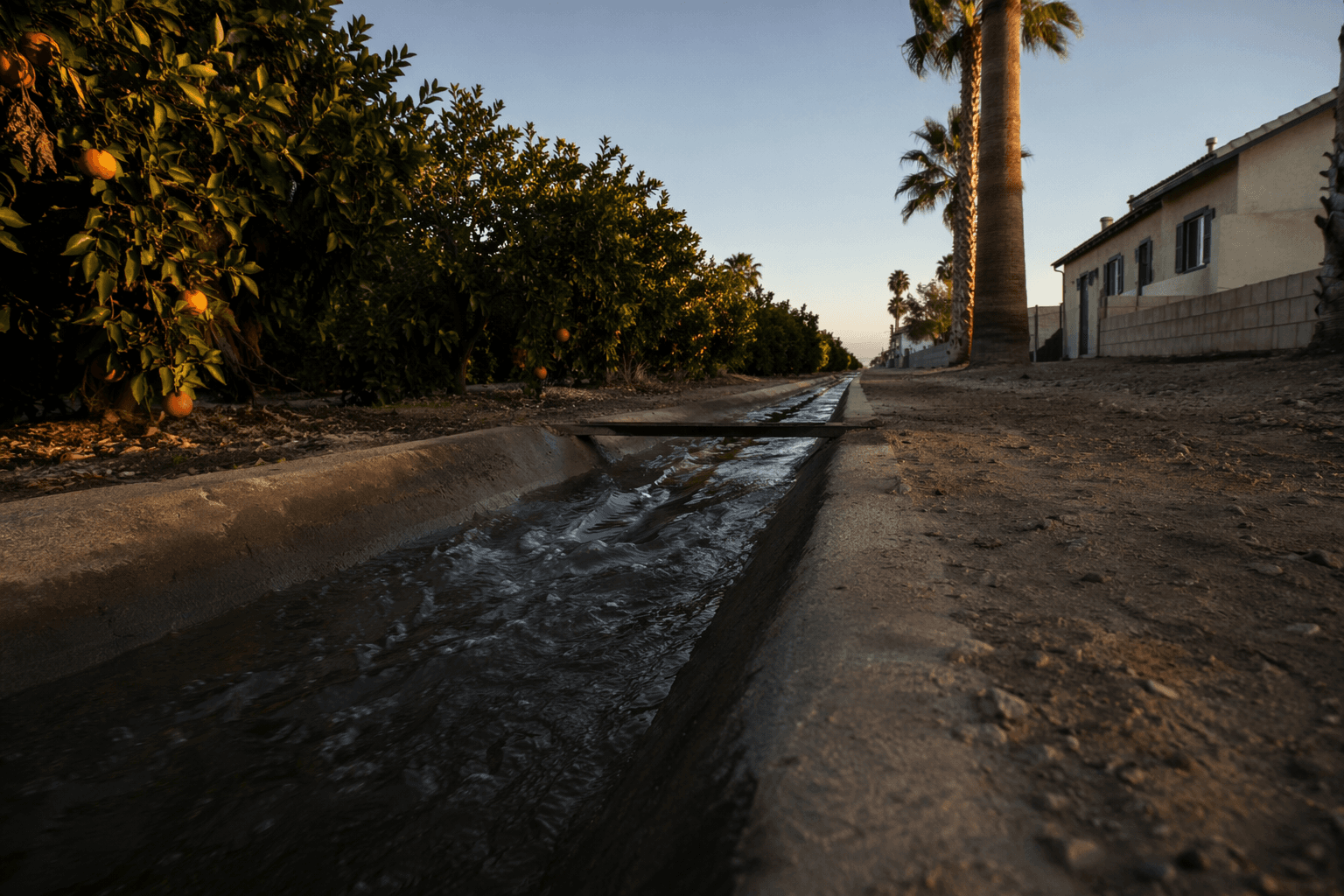
Water managers from Arizona, California and Nevada signed a memorandum of understanding in Carlsbad to explore interstate water exchanges that could one day move desalinated seawater or recycled wastewater across the Colorado River Basin. For La Paz County, where Parker and the Colorado River Indian Tribes reservation sit inside a stretched river system, the agreement signals how quickly basin politics are shifting around water reliability, storage and future growth.
The Bureau of Reclamation signed the deal June 3, 2026, at the Claude “Bud” Lewis Carlsbad Desalination Plant with the San Diego County Water Authority, Metropolitan Water District of Southern California, Southern Nevada Water Authority, Arizona Department of Water Resources, Central Arizona Water Conservation District and Salt River Project Agricultural Improvement and Power District. The agreement does not change any water rights and is not a final operating rule. Instead, it creates a planning framework to study how agencies might exchange supplies and share financing for projects that can move water where it is needed most.
Officials framed the arrangement as a way to lean on existing infrastructure rather than rush into new construction. The possible exchanges could involve desalinated seawater from Carlsbad and recycled wastewater, with the goal of building more flexibility into a basin that has been battered by long-term drought, low snowpack and extreme heat. Reclamation says Colorado River storage is down to about 36 percent of capacity, and the river supplies water for more than 40 million people and supports 30 Tribal Nations.
The timing makes the MOU especially relevant in western Arizona. La Paz County sits in the Colorado River corridor near Parker and the Colorado River Indian Tribes reservation, where river operations, groundwater pressure and tribal water-rights questions already shape local policy. Just days before the signing, CRIT said Reclamation would no longer pursue pro-rata cuts and would instead respect senior tribal rights, underscoring how rapidly the post-2026 water debate is moving in the lower basin.
Reclamation’s broader operating framework is also nearing a reset. The 2007 Colorado River Interim Guidelines and the 2019 Drought Contingency Plans are set to expire at the end of 2026, and Reclamation says the post-2026 National Environmental Policy Act process will determine operations for Lake Powell, Lake Mead and other management actions for potentially decades. The Draft EIS closed March 2 after drawing 18,127 submissions, a sign of how much is at stake as states, tribes and local districts prepare for the next round of Colorado River rules.
San Diego County Water Authority said its system serves 3.3 million residents and a $262 billion regional economy, and that water use per person there has fallen by more than half since 1990. With the agency describing a limited surplus of desalinated supply, the new framework gives basin officials a path to talk about swaps, storage and financing before shortages force harder choices on communities like Parker and the rest of La Paz County.
This article was produced by Prism’s automated news system from verified source data, official records, and press releases, then run through automated quality and moderation checks before publishing. The system is built and supervised by the people who set the standards it runs under. Read our full AI policy.
Know something we missed? Have a correction or additional information?
Submit a Tip