Cedar Oaks stands as a preserved Oxford landmark after 1963 rescue
Cedar Oaks survived demolition, a 2.2-mile move, and decades of change to become Oxford’s living preservation case, a tour stop and civic asset.
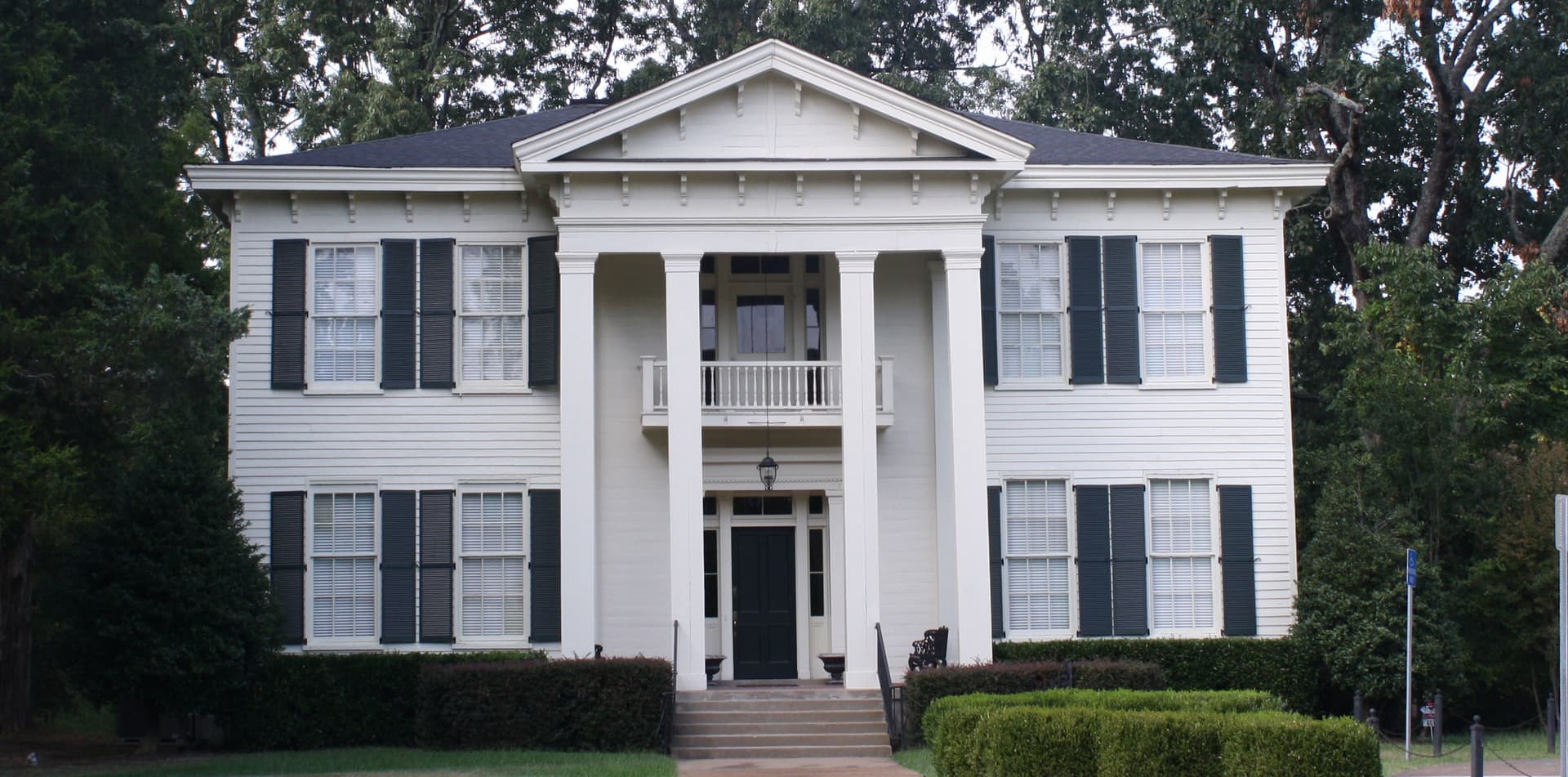
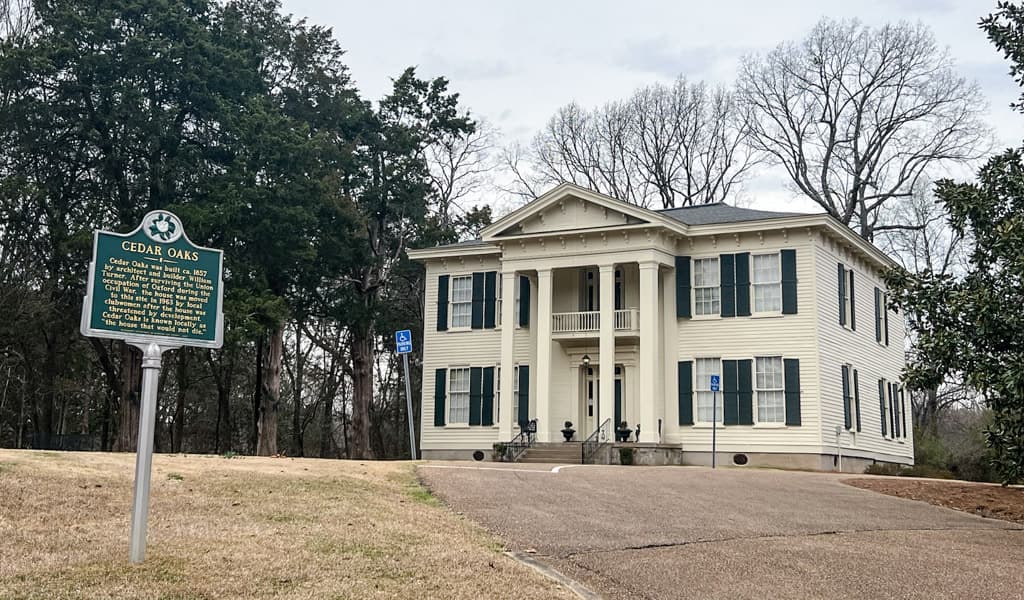
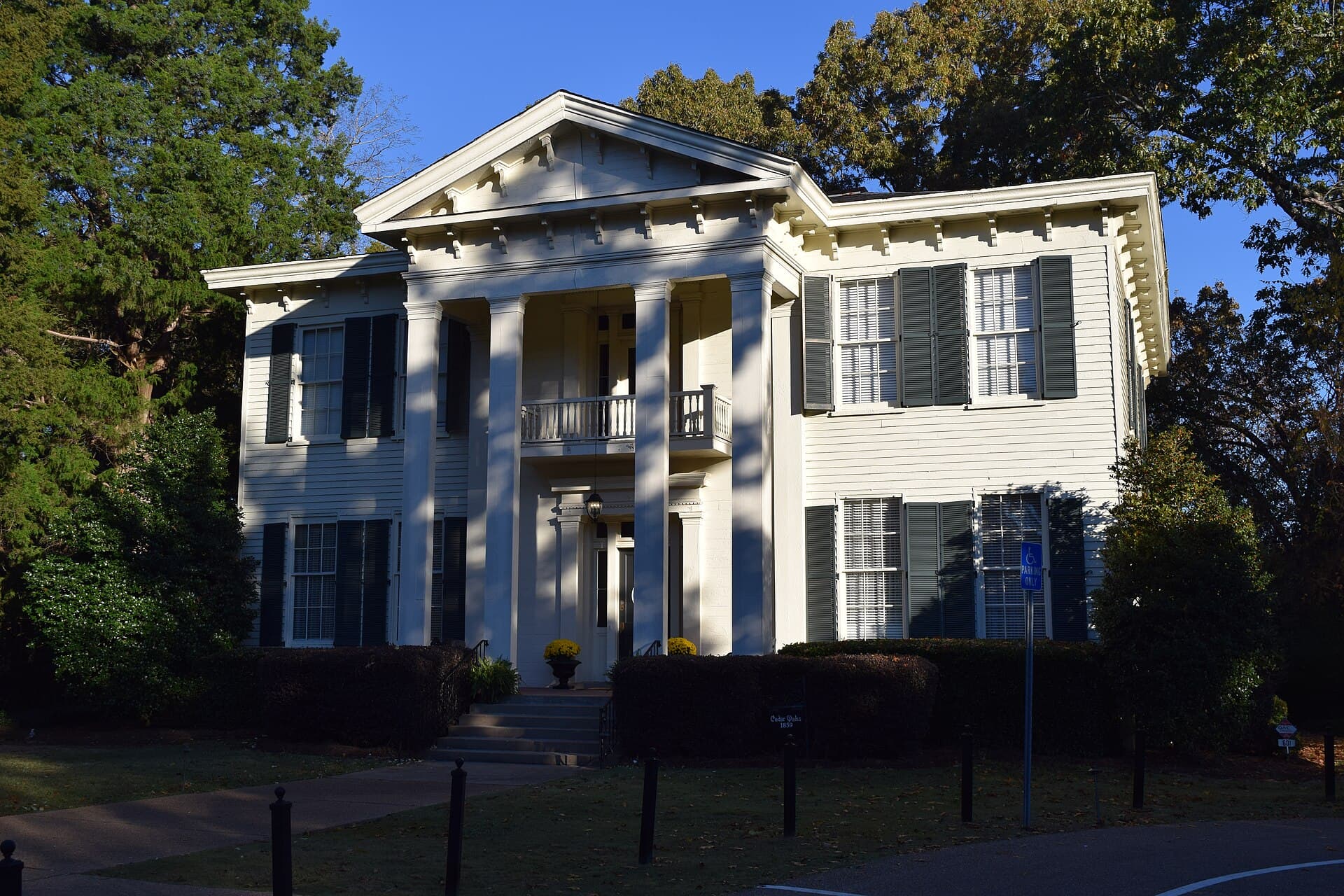
Cedar Oaks at 601 Murray Street is one of Oxford’s clearest reminders that historic places survive because people organize, donate land, and keep showing up. Built circa 1857 by architect and builder William Turner, the house outlasted the Union occupation of Oxford, was moved 2.2 miles in 1963 when development threatened it, and now serves as both a landmark and a working part of the city’s civic life.
Why Cedar Oaks matters in Oxford
Cedar Oaks is valuable because it is not only old, it is legible. The historic marker ties the house to William Turner and to the Civil War era, while the Mississippi Department of Archives and History lists it as a Mississippi Landmark, designated on December 8, 2005. That places the house inside a statewide preservation network that includes more than 1,300 National Register listings in Mississippi, and it helps explain why Cedar Oaks carries weight beyond its front porch and garden rooms.
The house also appears in two reference works that preserve Mississippi’s architectural memory, *Historic Architecture in Mississippi* from 1973 and *Old Homes of Mississippi, Volume II: Columbus and the North* from 1977. Those references matter because they show Cedar Oaks has been recognized not just locally, but as part of the state’s broader built heritage. In Oxford, that recognition supports heritage tourism, keeps neighborhood identity visible, and gives residents a tangible example of what preservation can save.
The 1963 rescue that kept the house alive
Cedar Oaks’ best-known chapter is the 1963 rescue, when local clubwomen organized to save the house from commercial development and move it to a new site. The Cedar Oaks site says Mary Alice Tate rallied Oxford’s women’s clubs to make that happen, and the house was relocated about 2.2 miles to its current home. The site itself was donated by T. E. Avent in honor of his wife, which turns the move into a story not just of saving wood and plaster, but of families, civic loyalty, and a decision to keep one piece of Oxford intact.
That rescue is the reason Cedar Oaks still has economic and cultural value today. If the house had been lost, Oxford would have lost a landmark that now helps define the city’s historic image, a place that can still draw visitors, support private events, and give local history a physical address. Preservation work is expensive and slow, but Cedar Oaks shows the payoff: one saved structure can keep serving the city for generations instead of becoming a name in a book.
Who carried the preservation effort forward
The rescue did not end with the move. The Cedar Oaks Guild formed in the summer of 2011 and grew out of the merger of two of the original clubs involved in the 1963 effort, which keeps the house tied to the same local tradition that saved it. The guild limits membership to 50 women and admits members by invitation only, a structure that reflects how intentionally the organization has guarded the property and its story.
That continuity matters in a place like Oxford, where historic preservation depends on institutional memory as much as funding. Cedar Oaks is now maintained by Oxford’s Historic Sites Commission, which places the house inside the city’s stewardship system rather than leaving it to private sentiment alone. The result is a layered model of care: women’s clubs, donors, civic leaders, and preservation officials all helped keep the house standing, and each part of that chain remains visible in the way Cedar Oaks is managed today.
How to experience Cedar Oaks now
Cedar Oaks is not a closed relic. The house is available for private tours, and docent-led tours are offered on Fridays from 1 to 4 p.m., giving visitors a regular way to see the property without waiting for a special festival or one-time event. It is also available by reservation for private events, which means the house still functions as a place for gathering, not just a backdrop for photographs.
That active use is part of the preservation story. When a historic house can host tours and events, it can help justify the ongoing cost of care, from maintenance to interpretation. It also gives Oxford an attraction that is tied to place rather than import, the kind of stop that supports heritage tourism by encouraging people to spend time in the older parts of town, learn local names, and connect the city’s past to its present streets.
What Oxford would have lost
If Cedar Oaks had disappeared in 1963, Oxford would have lost more than an old residence. It would have lost a house that survived the Union occupation, a Mississippi Landmark, a physical marker of women-led preservation, and a site that still welcomes visitors into the city’s historic landscape. That kind of loss is not abstract. It weakens the texture of neighborhoods, reduces the number of places that can interpret local history on foot, and strips away one of the landmarks that helps Oxford tell its own story.
The house’s survival also carries a broader lesson for Lafayette County. Historic preservation is never free, and every saved building requires land, labor, governance, and people willing to organize across decades. Cedar Oaks shows what those costs can buy: a preserved home at 601 Murray Street, a visible piece of Oxford identity, and a reminder that the city’s most durable landmarks are usually the ones residents refused to let vanish.
This article was produced by Prism’s automated news system from verified source data, official records, and press releases, then run through automated quality and moderation checks before publishing. The system is built and supervised by the people who set the standards it runs under. Read our full AI policy.
Did this article answer your question?