Former Ole Miss employee appeals dismissal, alleges Boyce caved to hecklers
Lauren Stokes is asking a higher court to revive her Ole Miss firing suit, saying Glenn Boyce bowed to hecklers after a Charlie Kirk post. Judge Glen H. Davidson dismissed the case in March.
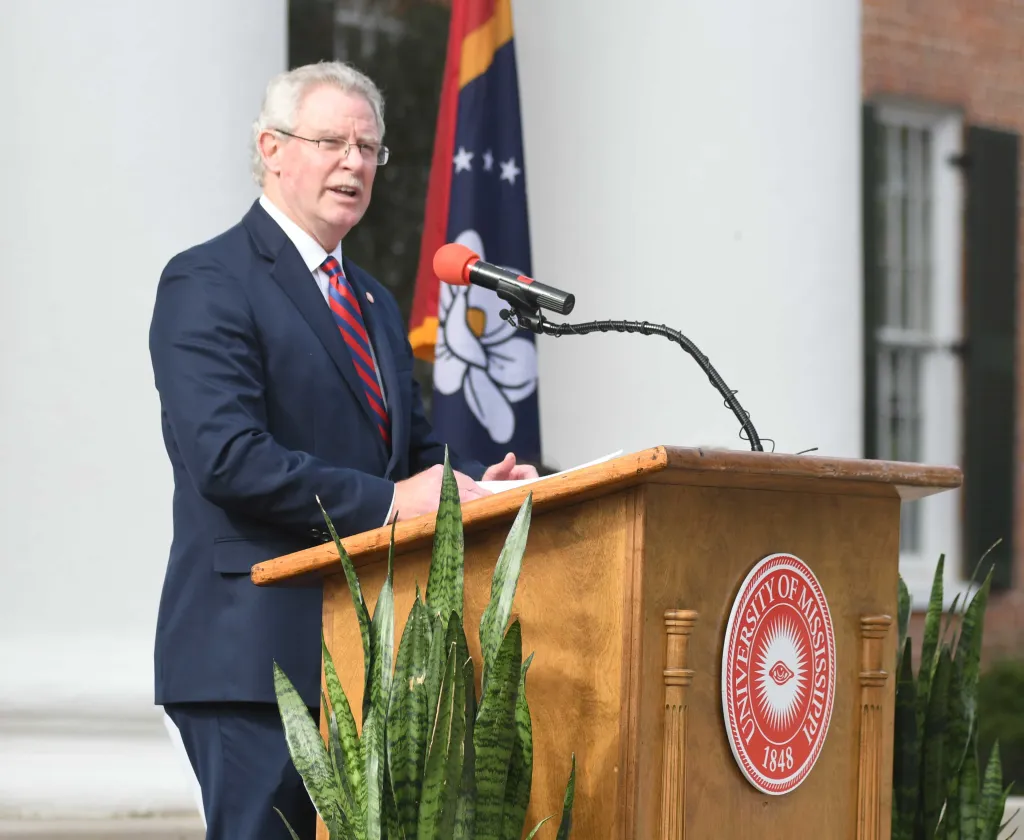
The former University of Mississippi employee whose federal lawsuit was thrown out in March is now asking an appeals court to bring the case back, arguing Chancellor Glenn Boyce caved to hecklers when she was fired over a Charlie Kirk-related post. The appeal keeps one of Oxford’s most visible institutions in the middle of a fight over speech, discipline and who drives decisions at the top of Ole Miss.
Lauren Stokes filed the lawsuit in federal court in October 2025, claiming her firing violated the First Amendment. Senior U.S. District Judge Glen H. Davidson dismissed the case in March 2026, but Stokes is challenging that ruling and arguing that letting it stand would create a dangerous precedent for free speech. The appeal centers on whether the university acted on its own judgment or yielded to outside pressure after the post drew controversy.
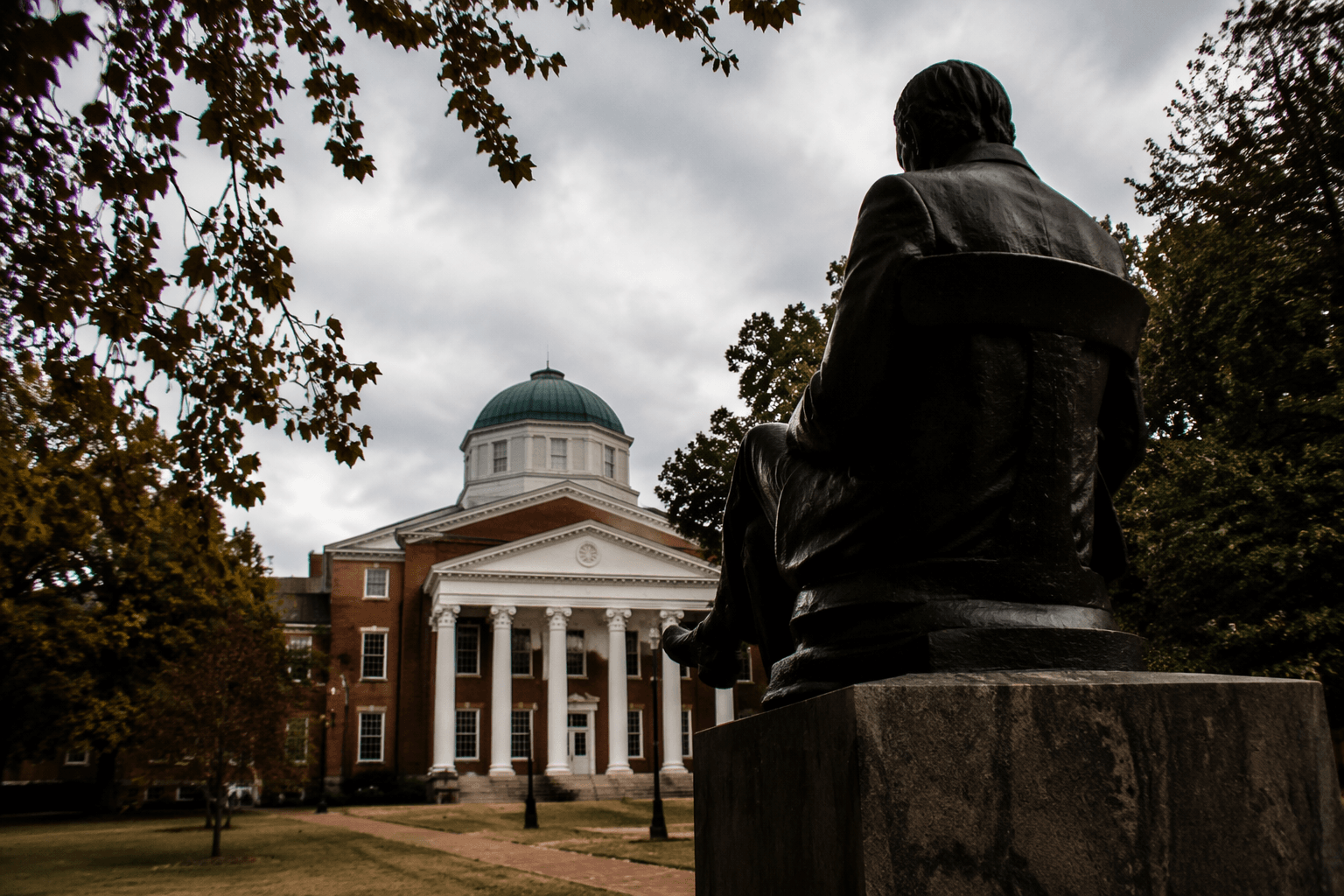
That dispute lands in the middle of a campus where leadership choices have long carried political weight. Boyce became the 18th chancellor of the University of Mississippi in October 2019, after a selection process that triggered protests and forced the cancellation of a planned announcement event amid demonstrations. The latest appeal puts that history back in view, with Stokes’ side portraying the firing as another example of Ole Miss reacting to public backlash instead of defending employee rights.
For Oxford and Lafayette County, the case reaches beyond one dismissal. Ole Miss is one of the county’s largest and most influential institutions, and clashes involving campus speech, personnel decisions and executive authority tend to spill quickly into public debate. If the appeal succeeds, the underlying First Amendment claims could return to the center of the case. If it fails, Davidson’s dismissal will remain intact and Boyce’s handling of the controversy will stand as a closed chapter in the university’s record.
The appeal also keeps attention on how much pressure university leaders should absorb when a social media post becomes a campus flashpoint. Stokes’ argument is that the firing was not just an employment decision, but a test of whether Ole Miss would protect speech when the criticism got loud.
This article was produced by Prism’s automated news system from verified source data, official records, and press releases, then run through automated quality and moderation checks before publishing. The system is built and supervised by the people who set the standards it runs under. Read our full AI policy.
Did this article answer your question?