Lafayette County Plans to Use $3.5 Million Opioid Settlement for Jail Improvements
Lafayette County's $3.5 million in opioid settlement funds will go toward jail improvements, drawn from a pool Mississippi gave local governments with no spending restrictions.
Lafayette County directed $3.5 million in opioid settlement proceeds toward jail improvements, tapping a pool of crisis funds that Mississippi distributed to local governments with no restrictions on how the money could be spent.
The county's plan has been described as part of a broader set of statewide projects reflecting a robust local tax base. Specific details about the scope of the jail work have not been publicly released, and no construction timeline or authorized vote has been announced.
The funds originate from national opioid litigation settlements, in which pharmaceutical manufacturers and distributors agreed to pay states billions of dollars over multiple years. In Mississippi, Attorney General Lynn Fitch structured the state's distribution so that 15% of settlement proceeds flow directly to cities and counties with no spending requirements and no reporting obligations. Mississippi is expected to receive as much as $421 million in total settlement payments through 2040, making the unrestricted local share a substantial sum available for discretionary use.
That arrangement has drawn sustained criticism from public health advocates. Of roughly $124 million Mississippi received in settlement funds through mid-2025, less than $1 million statewide went toward addiction-related programs. The Mississippi Legislature passed a reform bill on March 30, 2026, but lawmakers stripped out a provision that would have placed spending restrictions on the local government share, leaving counties free to direct their allocations toward infrastructure and law enforcement expenses. Those defending the unrestricted model have argued the money compensates local governments for opioid-related costs absorbed over the past two decades. More than 10,000 Mississippians have died of overdoses since 2000.
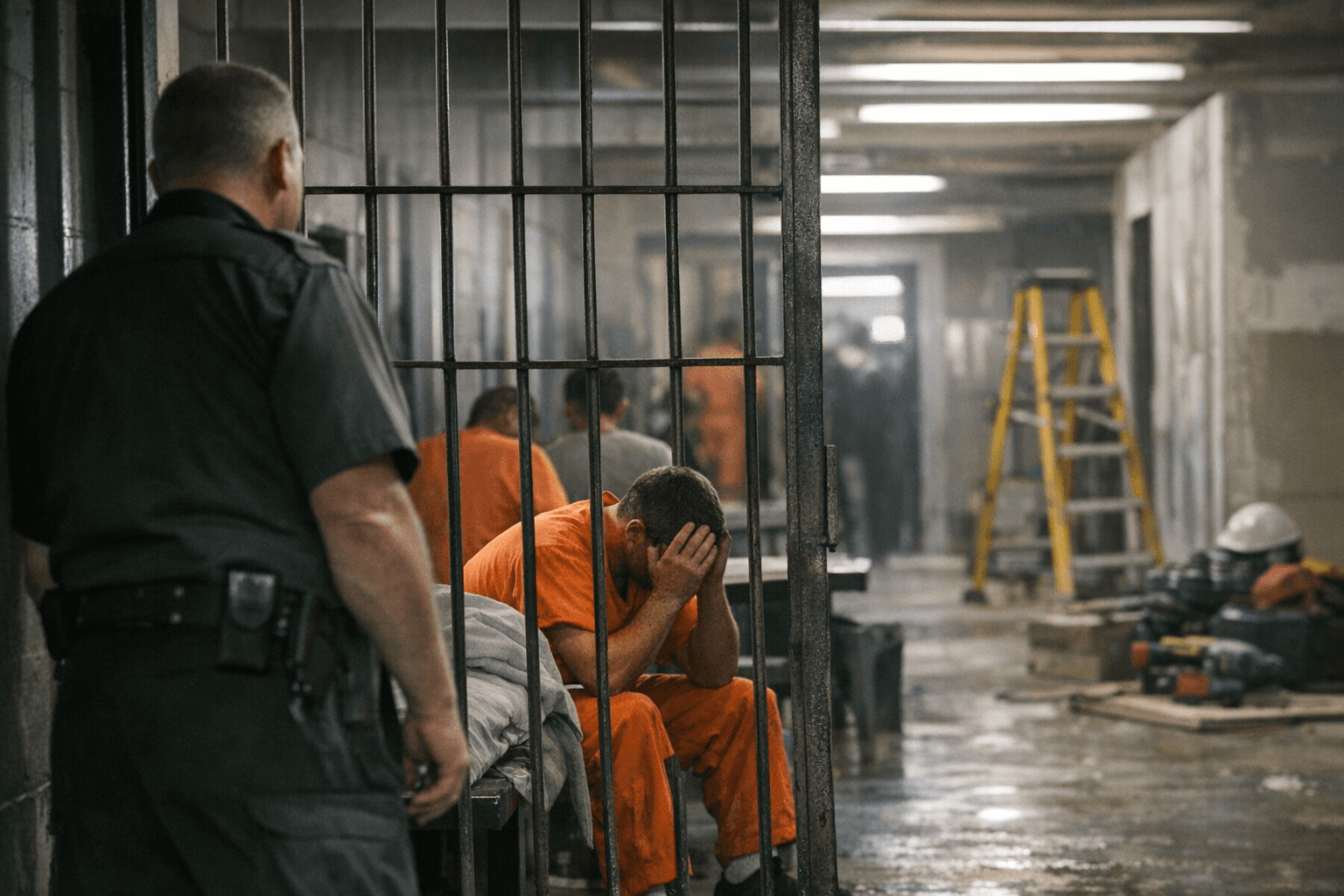
Whether Lafayette County's jail improvements will include any components addressing the health needs of incarcerated people with addiction histories, such as medication-assisted treatment or mental health programming inside the facility, has not been specified. The county has not publicly released a project scope, a contractor, or the board minutes authorizing the expenditure.
The approach puts Lafayette County among a group of Mississippi local governments that have prioritized facilities and capital spending over direct treatment or overdose prevention services since settlement payments began arriving in 2022.
This article was produced by Prism’s automated news system from verified source data, official records, and press releases, then run through automated quality and moderation checks before publishing. The system is built and supervised by the people who set the standards it runs under. Read our full AI policy.
Did this article answer your question?