Lafayette County records portal offers free and paid public documents
Lafayette County’s portal opens deeds, minutes and permits for free, while court files sit behind a $30 monthly subscription. It can save a trip to Oxford Square.
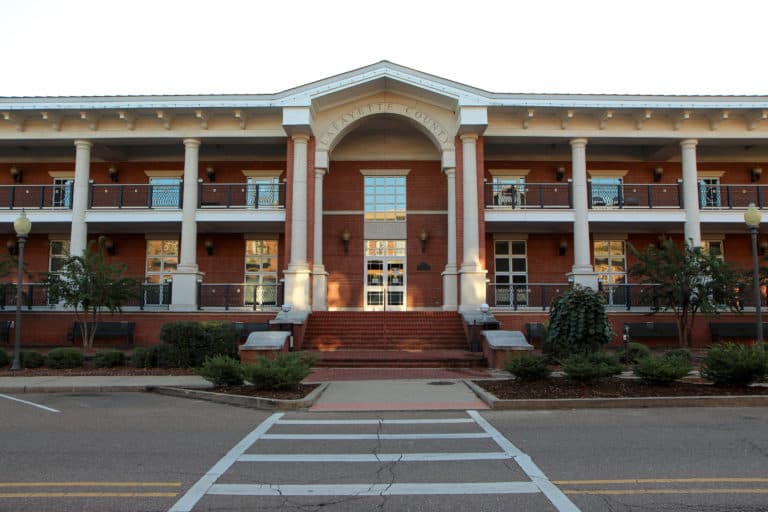
A Lafayette County deed, a Board of Supervisors minute or a building code check can be pulled online before anyone drives to Oxford Square. The county’s public-records system splits its material between free records and files that sit behind a $30 monthly subscription, making it one of the most practical tools residents can use for property questions, development research and county business.
What the portal lets you see
Lafayette County routes its online public documents through Delta Computer Systems, Inc., and the portal says it uploads information frequently even though it can lag behind courthouse activity. That lag matters if you are trying to track something that just happened at the courthouse, because the database is useful for research but not a substitute for the day’s live filings.
The free side of the system is broad enough to help with everyday errands and bigger decisions alike. Available without a subscription are marriage licenses, land deeds, planning-and-development records, subdivision plats, proposed developments, subdivision regulations, building codes and Board of Supervisors meeting minutes. Those are the records that most often tell you who owns what, what is being built nearby and what county leaders have already approved.
The subscription side is narrower but still significant. Court proceedings, court rulings, divorce proceedings and rulings, mental-health commitments and substance-abuse commitments require the paid access. For anyone trying to follow litigation or family-court matters, that monthly fee is the gatekeeper.
How people actually use it
For a homebuyer, the first stop is usually land deeds and subdivision plats. Those records can help confirm ownership, show how a parcel was carved up and reveal whether a neighborhood development has already been approved. For anyone worried about a new project nearby, the planning-and-development files, subdivision regulations and proposed developments are the clearest place to start.
Family history researchers have a different use case. Marriage licenses can help trace relatives without making a trip to the courthouse, and the board-minutes archive can show when county decisions changed a road, a building or a local service. The portal for Board of Supervisors minutes is searchable by book, page, date and keyword, which turns a stack of meetings into something people can actually navigate.
The minutes also connect the online record to a real place in Oxford. A July 15, 2024 Board of Supervisors minute entry shows the board met at the Chancery Court Building in Oxford, a reminder that county business still runs through a physical courthouse district even when the records are digital. That is the kind of detail that saves time for residents trying to find the right room, the right clerk or the right meeting record.
Why Oxford Square still sits at the center of county business
The Lafayette County Courthouse remains one of the county’s most important landmarks, standing in the center of Oxford Square and listed on the National Register of Historic Places. The county was created on February 9, 1836, Oxford has served as the county seat since 1836, and the courthouse’s first contract was awarded on October 22, 1836 for $23,600.
The building’s history shows why county records and county place are still so closely tied together. The first courthouse was completed and surrendered to the Board on June 12, 1840, then burned by Union troops on August 22, 1864. The current courthouse was built in 1871 and 1872, later remodeled in 1903 and again in 1981. In a county that treats the courthouse as both a working government site and a historic anchor, the records system is part of the same civic landscape.
That geography still matters today. The Circuit Clerk is at 1 Courthouse Square, Suite 101, the Election Commission is at 1 Courthouse Square, Suite 2-W, the Chancery Clerk is at 300 N. Lamar Blvd., and the Tax Assessor/Collector is also at 300 N. Lamar Blvd. If you are checking court matters, election questions, probate issues or tax records, those addresses tell you where county business actually happens.
The rules behind a public-records request
Mississippi’s Public Records Act requires public records to be available for inspection unless another law says otherwise. State law also requires agencies to answer a written request within seven working days or provide a written explanation if the records cannot be produced in that time.
Lafayette County places public-record requests with the County Administrator’s Office and says it has seven days to respond. That gives residents a second path when the online portal is not enough, especially for records that are not posted freely or have not yet caught up with courthouse activity. Mississippi Ethics Commission guidance and Mississippi State University Extension Service materials both frame the law as a broad public-access system, not a narrow favor from government.

A growing county makes records more useful, not less
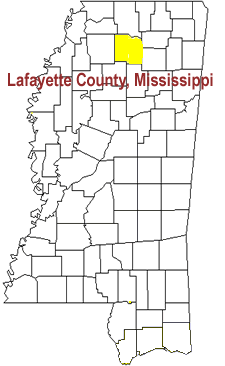
Lafayette County had 55,813 residents in the 2020 census, and the Census Bureau estimated the population at 59,843 on July 1, 2024. Oxford had 25,416 residents in 2020, and the county covers 631.7 square miles of land area. Those numbers help explain why records access matters here: more people means more property transactions, more development questions, more court matters and more county decisions to follow.
The county’s own announcements show that public records are useful for tracking what government is doing right now. On May 14, 2026, Lafayette County said it secured $5 million in state funding for detention-center improvements and behavioral-health capacity. Minutes, agendas and related records are the paper trail that lets residents see how that money moves from announcement to action.
In Lafayette County, the records portal is not just an archive. It is the first practical stop for deeds, minutes, permits and a growing range of county business, with the courthouse still serving as the place where the official record begins.
This article was produced by Prism’s automated news system from verified source data, official records, and press releases, then run through automated quality and moderation checks before publishing. The system is built and supervised by the people who set the standards it runs under. Read our full AI policy.
Know something we missed? Have a correction or additional information?
Submit a Tip