Lawmakers Revive Winter Storm Fern Relief Loans After Reeves Veto
Oxford faces roughly $7M in near-term storm debris costs as lawmakers unanimously passed a reworked zero-interest Fern recovery loan after Reeves' veto.
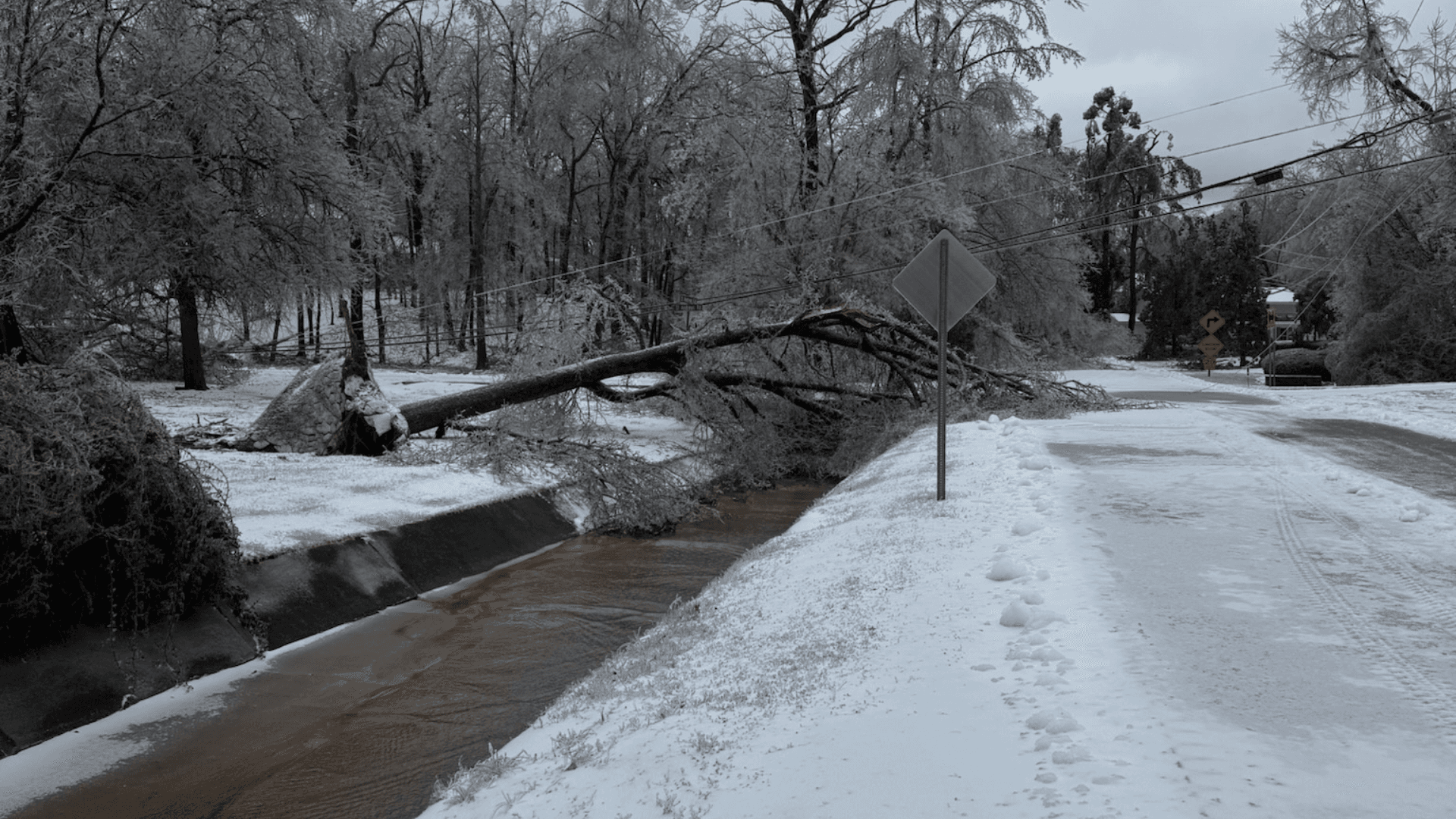
Oxford is staring down roughly $7 million in near-term debris costs from Winter Storm Fern with no state loan program in place, after Gov. Tate Reeves vetoed the relief bill lawmakers had sent him and touched off a week of political combat at the state capitol that ended, for now, with both chambers unanimously passing a reworked version of the program.
The revived measure, threaded through House Bill 1646 after negotiators stripped it from the original Senate Bill 2632, passed the House and Senate without a single dissenting vote last Thursday. The "Local Governments Disaster Recovery Emergency Loan Program Act" would offer local governments, including Oxford and Lafayette County, loans at zero percent interest for as long as FEMA reimbursements remain outstanding. Once federal funds are applied to a loan balance, any remaining amount would convert to a fixed 3% annual rate to cover administrative costs through the Mississippi Emergency Management Agency, which would run the program.
Mayor Robyn Tannehill, who had already led the Oxford Board of Aldermen to authorize emergency borrowing of up to $25 million through a general obligation drawdown note to keep contractors paid, was direct about the earlier setback. "We were really disappointed that the bill to assist the counties still struggling with storm recovery was vetoed by the Governor," Tannehill said. Debris removal alone accounts for an estimated $16.6 million of Oxford's storm-related expenses, the single largest line item in what has become a costly, months-long recovery.
Reeves vetoed the original bill Monday, March 23, accusing unnamed parties of making last-minute changes to lower the interest rate after the measure had already been formally presented to his office, calling the action "plainly unconstitutional (and possibly criminal)." The dispute traced to a March 13 floor amendment by Sen. Tyler McCaughn, a Republican from Newton, who moved to strip the word "monthly" from the interest rate language. Without that change, localities would have faced a 12% annual charge on recovery loans. Lt. Gov. Delbert Hosemann called the governor's characterization of the amendment "malicious, unnecessary, and false" and disputed Reeves' account of when the change was made.
Rather than mount a two-thirds override vote, legislative leaders chose to start fresh. Sen. Scott DeLano explained the mechanics of the new rate structure: "The only time we trigger an interest rate at all, this 3 percent, is when all the reimbursements are made to a local jurisdiction and there may be a loan amount outstanding." The 3% figure is also a deliberate step up from the 1% annual rate in the vetoed bill, a signal that lawmakers are trying to preempt a second veto. "The House and Senate have come together to propose a 3 percent interest rate, which is much less than the 12 percent the governor wanted," DeLano said. Hosemann, after the reworked bill passed, said lawmakers "need to hurry" to get relief to affected communities.

Whether Reeves signs the revived bill is now the central question for Oxford and Lafayette County. The governor has signaled lingering skepticism about whether the new approach fully addresses his legal concerns, leaving open the possibility of a second veto. If that happens, Oxford, which is already drawing on a multi-million-dollar bridge note to pay debris contractors, would continue absorbing costs ahead of any federal reimbursement, compounding pressure on a city budget that never planned for a $25 million storm year.
Here is the formatted response:
Oxford is staring down roughly $7 million in near-term debris costs from Winter Storm Fern with no state loan program in place, after Gov. Tate Reeves vetoed the relief bill lawmakers had sent him and touched off a week of political combat at the state capitol that ended, for now, with both chambers unanimously passing a reworked version of the program.
The revived measure, threaded through House Bill 1646 after negotiators stripped it from the original Senate Bill 2632, passed both chambers without a single dissenting vote last Thursday. The "Local Governments Disaster Recovery Emergency Loan Program Act" would offer local governments, including Oxford and Lafayette County, loans at zero percent interest for as long as FEMA reimbursements remain outstanding. Once federal funds are applied to a loan balance, any remaining amount would convert to a fixed 3% annual rate to cover administrative costs through the Mississippi Emergency Management Agency, which would run the program.
Mayor Robyn Tannehill, who had already led the Oxford Board of Aldermen to authorize emergency borrowing of up to $25 million through a general obligation drawdown note to keep contractors paid, was direct about the earlier setback. "We were really disappointed that the bill to assist the counties still struggling with storm recovery was vetoed by the Governor," Tannehill said. Debris removal alone accounts for an estimated $16.6 million of Oxford's storm-related expenses, the single largest line item in what has become a costly, months-long recovery operation.
Reeves vetoed the original bill Monday, March 23, accusing unnamed parties of making last-minute changes to lower the interest rate after the measure had already been formally presented to his office, calling the action "plainly unconstitutional (and possibly criminal)." The dispute traced to a March 13 floor amendment by Sen. Tyler McCaughn, a Republican from Newton, who moved to strip the word "monthly" from the interest rate language. Without that change, localities would have faced a 12% annual charge on recovery loans. Lt. Gov. Delbert Hosemann called the governor's characterization "malicious, unnecessary, and false" and disputed Reeves' account of when the change was made.
Rather than mount a two-thirds override vote, legislative leaders chose to start fresh. Sen. Scott DeLano explained the mechanics of the revised rate structure: "The only time we trigger an interest rate at all, this 3 percent, is when all the reimbursements are made to a local jurisdiction and there may be a loan amount outstanding." The 3% figure also represents a deliberate step up from the 1% annual rate in the vetoed bill, a signal that lawmakers are trying to preempt a second veto. Hosemann, after the reworked bill passed, said lawmakers "need to hurry" to get assistance to the hardest-hit communities.
Whether Reeves signs the revived measure is now the central question for Oxford and Lafayette County. The governor has signaled lingering skepticism about whether the new approach fully addresses his legal concerns, leaving open the possibility of a second veto. If that happens, Oxford, which is already drawing on a bridge note to pay debris contractors, would continue absorbing costs well ahead of any federal reimbursement, compounding pressure on a city budget that never planned for a $25 million storm year.
This article was produced by Prism’s automated news system from verified source data, official records, and press releases, then run through automated quality and moderation checks before publishing. The system is built and supervised by the people who set the standards it runs under. Read our full AI policy.
Did this article answer your question?