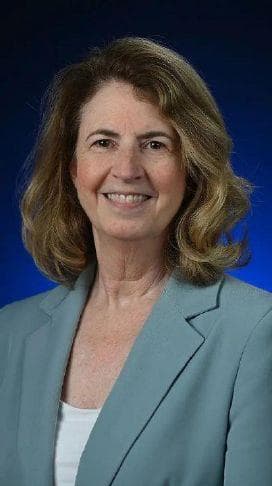
Ole Miss doctoral student earns national science fellowship
Victoria Amari's NSF fellowship could strengthen Ole Miss' biomedical engineering pipeline, while her first-gen, cancer-survivor path spotlights access to elite science.

A national fellowship for Victoria Amari gives the University of Mississippi more than a line on a résumé, it adds to Ole Miss’ ability to attract graduate talent, federal research dollars and the kind of biomedical engineering work that can grow Oxford’s research profile. For the Hayden, Alabama, student, the award lands after a path that began as the first in her family to attend college and continued through cancer survival, full-time work and years of study in Lafayette County.
Amari, now a first-year doctoral student in biomedical engineering, earned the National Science Foundation Graduate Research Fellowship, one of the most competitive graduate awards in the country. Ole Miss said the honor came six years after she joined the university, a span that underscores how long she has been building toward advanced research rather than arriving by chance. The fellowship supports full-time research-based master’s and doctoral students in STEM fields and STEM education, and the NSF says the five-year award provides three years of financial support, including an annual stipend and a cost-of-education allowance for tuition and fees.
At Ole Miss, Amari has worked in Nikki Reinemann’s lab since 2023, where the research centers on how cells sense and respond to their environment, especially the cytoskeleton and cellular mechanics. The Molecular Biophysics and Engineering Lab lists Amari’s project as “Emergent force-feedback mechanics of the cytoskeleton,” placing her squarely in the kind of basic science that can shape future biomedical tools and disease research. The University of Mississippi School of Engineering has also highlighted Reinemann’s own NSF CAREER award, along with her work on myosin II and disease mechanisms, a sign of the broader research environment surrounding Amari’s graduate training.
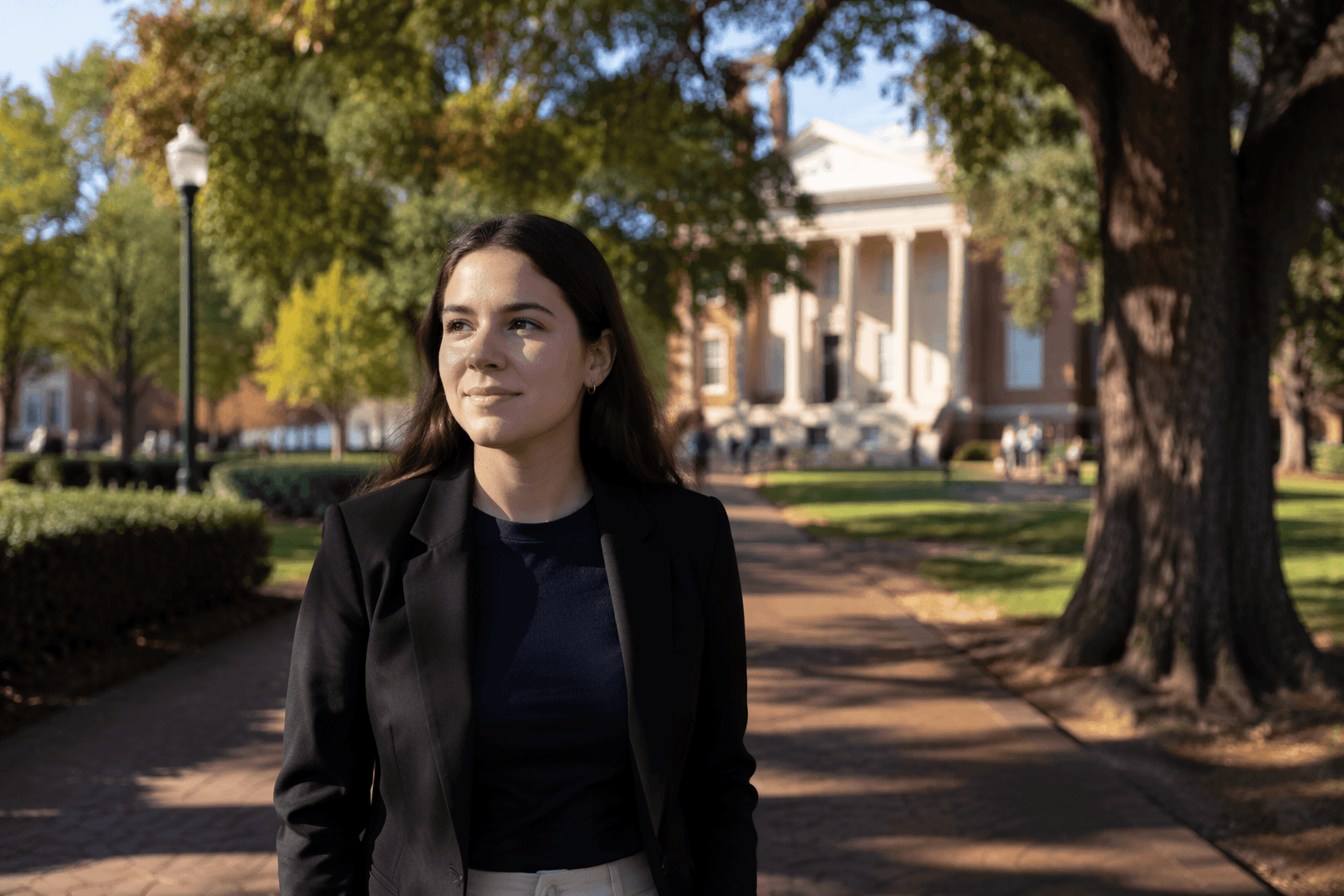
Amari’s trajectory also speaks to access, not just achievement. She grew up as one of five children, worked to help support her family beginning at age 15 and was managing a retail store full time when she entered Ole Miss in 2020. Those details make the fellowship more than a personal milestone. They show how a first-generation student can move into high-impact science when a university provides the right mix of mentoring, laboratory experience and financial support.
For Oxford and Lafayette County, Amari’s award is another measure of how the University of Mississippi shapes the local economy and intellectual life. A fellowship like this helps the university compete for promising researchers, strengthens its graduate pipeline and deepens the biomedical expertise that can carry into North Mississippi health and science work for years to come.
This article was produced by Prism’s automated news system from verified source data, official records, and press releases, then run through automated quality and moderation checks before publishing. The system is built and supervised by the people who set the standards it runs under. Read our full AI policy.
Know something we missed? Have a correction or additional information?
Submit a Tip