Ole Miss professor Adam Gussow to give final lecture before retirement
Adam Gussow’s final lecture closed 24 years at Ole Miss, from a cast on Pea Ridge Road to teaching Oxford the blues.

Adam Gussow’s farewell lecture at the University of Mississippi marked the end of a 24-year run that helped define how Oxford studies the South. The professor of English and Southern studies gave the Last Lecture at 4 p.m. May 1 in Overby Center Auditorium as he prepared to retire in May, bringing a long faculty career to a close in a setting built for serious public conversation.
The Last Lecture has been part of Ole Miss life since 2013, when the Mortar Board Tassels Chapter began hosting the annual talk during the final class session of the academic year. The series is modeled on Randy Pausch’s concept of a final lecture, and the campus has used it to let one professor step back and reflect on a career as if it were ending on the spot. For Gussow, that format fit a scholar who has spent years helping students connect literature, music and Southern identity.
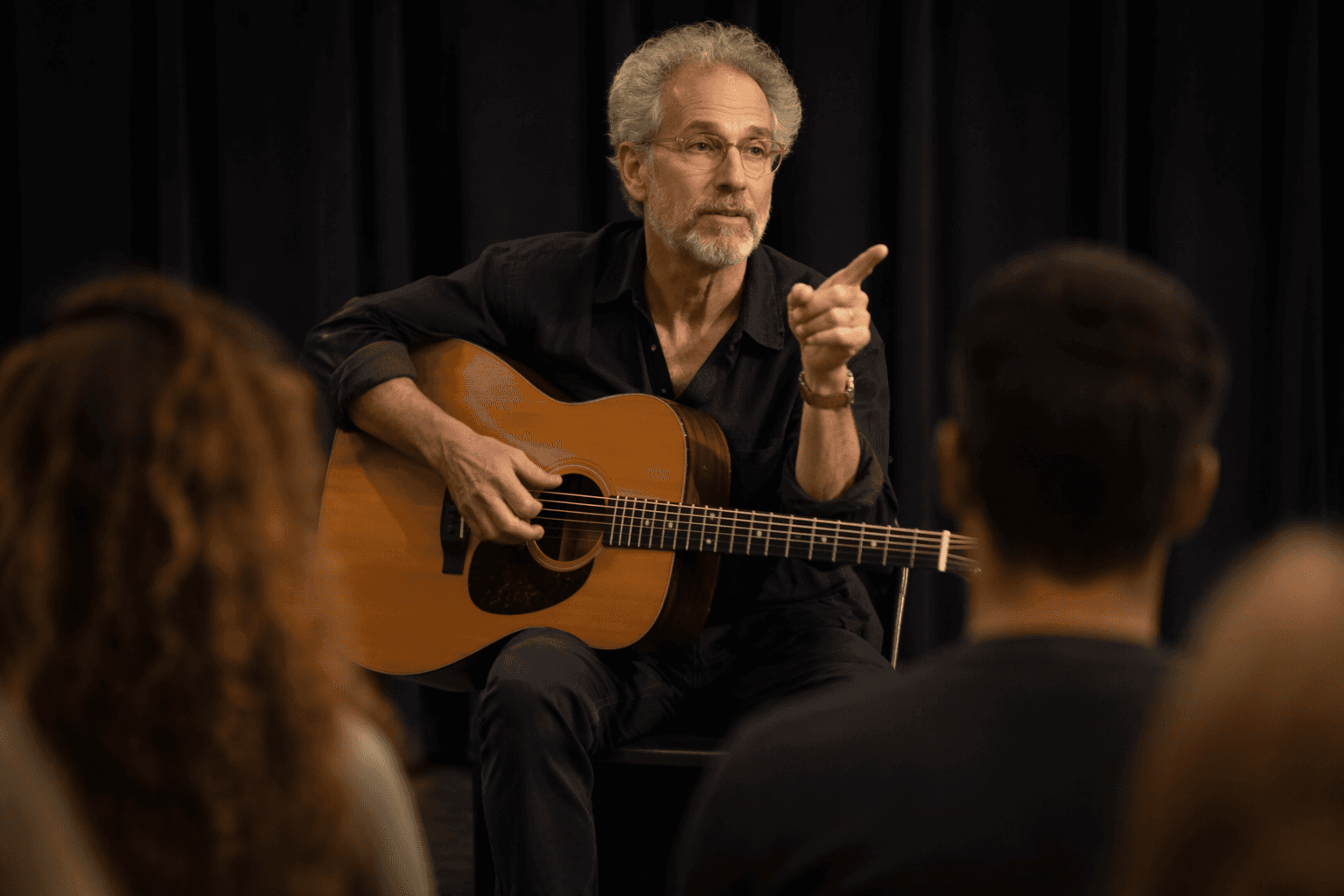
His own Ole Miss story began in 2002 with a memorable first day in Barnard Observatory. He arrived in August heat with his left arm in a cast after a bicycle accident on Pea Ridge Road, a detail that made him look less like a polished academic arrival than a professor already shaped by the place he had just joined. The Center for the Study of Southern Culture had recruited him because it needed a blues expert, and Gussow fit that need immediately.
Ole Miss lists his teaching areas as American and African American literature, the blues tradition, southern autobiography, and the literature and culture of running. The university also describes him as a professional blues harmonica player and the author of several books on the blues, including Mister Satan’s Apprentice: A Blues Memoir and Beyond the Crossroads: The Devil and the Blues Tradition. That combination of scholarship and musicianship gave his work unusual reach, especially for students trying to understand the region beyond textbooks.
The choice of Overby Center Auditorium also carried its own meaning. The Overby Center for Southern Journalism and Politics says it focuses on Southern perspectives and the relationship between media, politics and public discussion, which made it a fitting stage for a professor whose career has been tied to how Oxford interprets itself. As Gussow retires, Ole Miss loses not just a teacher, but one of its clearest guides to the South’s literature, music and public memory.
This article was produced by Prism’s automated news system from verified source data, official records, and press releases, then run through automated quality and moderation checks before publishing. The system is built and supervised by the people who set the standards it runs under. Read our full AI policy.
Did this article answer your question?