Ole Miss researchers warn low-level air pollution can harm heart health
Ole Miss researchers found 67% of 95 studies linked low-level PM2.5 to heart disease, a warning for Oxford and Lafayette County.
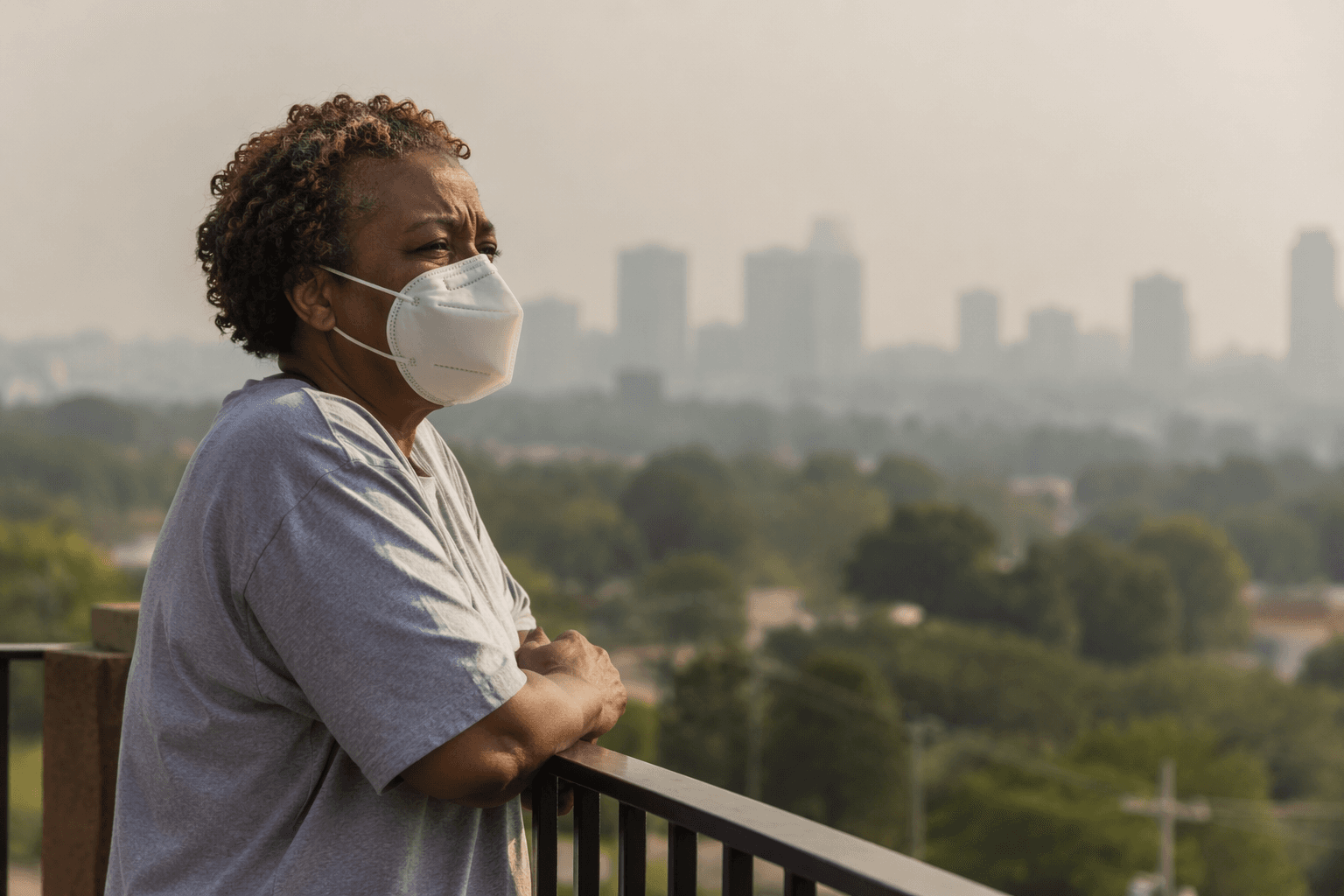
A monitor can stay under federal limits and still leave Oxford and Lafayette County breathing air that may strain the heart, Ole Miss researchers say. Their review of 95 studies found 67% reported significant links between low-level PM2.5 and heart disease, with traffic, industry, smoke and even harvest dust all contributing.
Assistant professor Courtney Roper said the Environmental Protection Agency standard is useful for finding places that exceed limits, but if the rule were written strictly around human health, the threshold should be lower because cardiovascular effects are still showing up. Associate professor James Stewart said the exposure picture is broader than city traffic alone, pointing to industrial pollution and rural dust from plowing or harvest work.
The concern is especially sharp for older adults, very young children, people with preexisting heart disease, and lower-income or marginalized communities. That matters in Lafayette County, where people can run into PM2.5 from busy roads, smoky days, regional pollution or field dust even when the air does not trigger a formal warning.
Federal regulators tightened the annual PM2.5 standard to 9.0 micrograms per cubic meter on February 7, 2024, and kept the 24-hour limit at 35 micrograms per cubic meter. EPA projected the change could deliver as much as $46 billion in net public-health benefits in 2032, including up to 4,500 avoided premature deaths and 800,000 avoided asthma-symptom cases, and it added an environmental-justice factor to monitoring network design. Mississippi’s 2024 air-quality summary says those standards are meant to protect sensitive populations such as people with asthma, children and older adults.

The Ole Miss team said education and public-awareness efforts are needed because many people do not realize how damaging low-level exposure can be. For Lafayette County, that means treating smoke, traffic buildup, industrial activity and dusty agricultural conditions as real health concerns, not just nuisance weather. MDEQ posts daily PM2.5 and ozone forecasts for selected areas from March 1 through October 31, including DeSoto County, the Jackson metropolitan area and the Mississippi Gulf Coast, and the agency’s North Regional Office is in Oxford. The researchers’ message is clear: air can fall below the legal line and still deserve caution.
This article was produced by Prism’s automated news system from verified source data, official records, and press releases, then run through automated quality and moderation checks before publishing. The system is built and supervised by the people who set the standards it runs under. Read our full AI policy.
Know something we missed? Have a correction or additional information?
Submit a Tip