Oxford aldermen approve University Avenue variance after planning denial
Oxford aldermen overrode a planning denial and cleared a six-bedroom University Avenue house, signaling how much weight the city gives housing fights near campus.
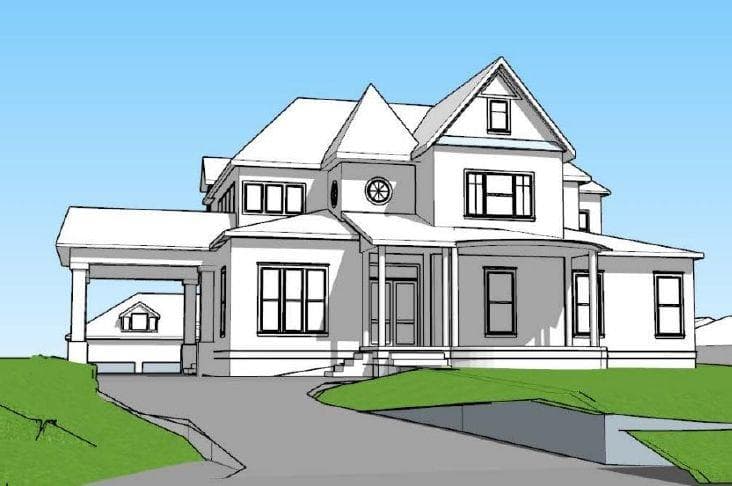
Oxford aldermen overrode the Planning Commission on Tuesday and approved a variance for a six-bedroom house on University Avenue, clearing the project to move ahead after an earlier denial. The decision puts the city’s elected leaders squarely at the center of one of Oxford’s most familiar development fights: how far to push density before it collides with neighborhood character, parking and traffic.
The Planning Commission had said no, but its role is advisory. The Board of Aldermen made the final call, and that reversal shows how a planning recommendation can be influential without being the last word. Oxford’s Planning Department handles zoning, annexation, subdivision of property and historic preservation, and the city posts commission agendas and minutes publicly, which keeps these disputes in the open under Mississippi’s Open Meetings Act.

University Avenue remains one of Oxford’s most watched corridors because it sits where residential streets, the University of Mississippi and steady growth pressure meet. The city has spent years on Highway 7 and University Avenue interchange work, including coordination with the Mississippi Department of Transportation, a reminder that traffic and land use on that stretch are already tightly linked. A six-bedroom house there is not just another infill project; it adds to the long-running debate over how much intensity core neighborhoods should absorb.
The vote also fits into a broader pattern of recent Oxford development scrutiny. In fall 2025, the Planning Commission recommended approval for more than 500 new residential units. In April 2026, it denied a nine-lot subdivision request in the historic core over density, neighborhood compatibility and infrastructure concerns. City leaders have also pursued policy tools aimed at housing pressure, including the Housing Supply Accelerator Overlay adopted in July 2024 to encourage dense single-family residential development and a March 2026 proposal that would have used tax incentives to promote affordable rental housing.
Taken together, those actions show a city still trying to balance growth with the limits of established neighborhoods. The University Avenue variance moved the project forward, but it also signaled that aldermen are willing to step in when they believe a Planning Commission denial should not stand.
This article was produced by Prism’s automated news system from verified source data, official records, and press releases, then run through automated quality and moderation checks before publishing. The system is built and supervised by the people who set the standards it runs under. Read our full AI policy.
Did this article answer your question?