Oxford attractions drive local economy, culture and community life
Lafayette County’s leading cultural and outdoor sites anchor local tourism and everyday life, from Rowan Oak and the Oxford Square to Vaught Hemingway Stadium and area parks. These destinations matter for residents because they support downtown businesses, public amenities and community identity while shaping long term planning for transportation and preservation.
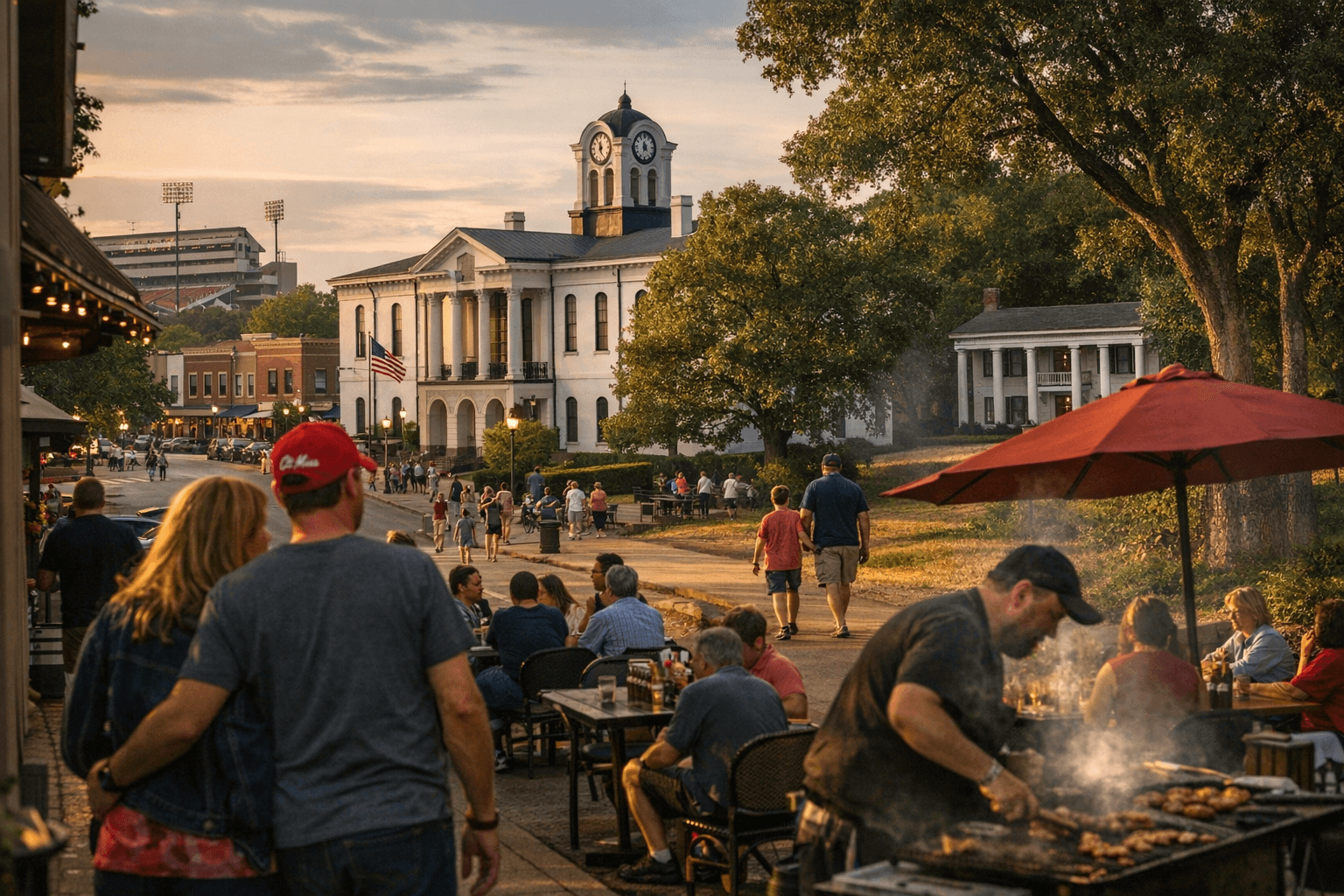
As of December 26, 2025, Lafayette County’s mix of historic sites, university institutions and public green space remains central to both visitor itineraries and resident routines. The county’s must see places include Rowan Oak, William Faulkner’s home and grounds, the Oxford Square with its shops, dining and seasonal events, Vaught Hemingway Stadium and the Grove with their game day culture and public walking areas when events are not scheduled, and the University of Mississippi Museum alongside historic houses. Local trails and parks around Oxford complement these attractions and community resources such as the Oxford Public Library and the Oxford Convention & Visitors Bureau help connect visitors with services.
These assets sit at the top of the local economic funnel. Retail and hospitality businesses on the Square rely on steady foot traffic from weekend markets, seasonal festivals and university events. Game day activity at Vaught Hemingway Stadium supports restaurants, lodging and short term rental demand. Museums and historic houses add cultural tourism that extends visits beyond a single day. Public trails and parks increase recreational activity and provide low cost ways for residents to enjoy outdoor space year round.
The community implications are practical and policy related. Maintaining walkable streets, clear signage and reliable parking preserves the economic value of the Square and surrounding blocks. Preserving Rowan Oak and the university museum requires ongoing investment to protect heritage assets that, in turn, support cultural tourism and educational programming. Ensuring that the Grove and stadium areas function as public space when events are not scheduled helps balance visitor use with resident access and quality of life.
Long term trends favor continued attention to these sites. As regional travel patterns emphasize short trips and experience based visits, Lafayette County’s blend of history, university life and outdoor amenities positions it to capture more overnight stays and retail spending. Local leaders can strengthen outcomes by prioritizing infrastructure that supports pedestrian access, multimodal transportation and responsible tourism management. For residents, the combination of cultural institutions, parks and library services sustains community cohesion while underpinning Lafayette County’s economic resilience.
This article was produced by Prism’s automated news system from verified source data, official records, and press releases, then run through automated quality and moderation checks before publishing. The system is built and supervised by the people who set the standards it runs under. Read our full AI policy.
Did this article answer your question?