Oxford Police Department Adopts HOLOS Training to Strengthen Officer Mental Resilience
Oxford officers completed HOLOS training last week, a neuroscience-based program the department says is key to keeping officers mentally fit for the long haul.
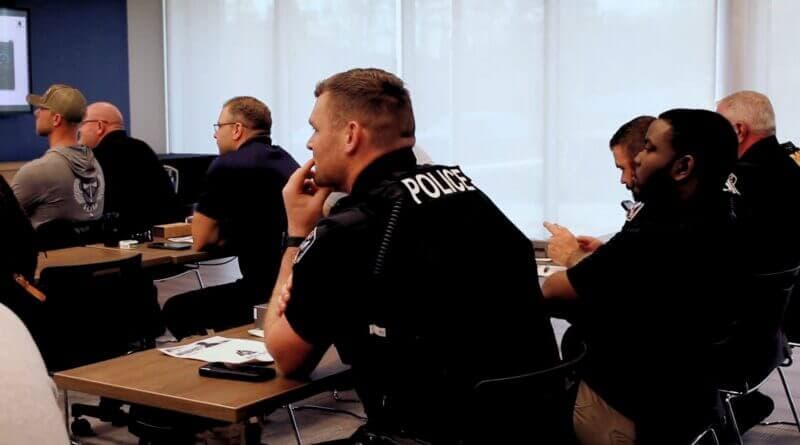
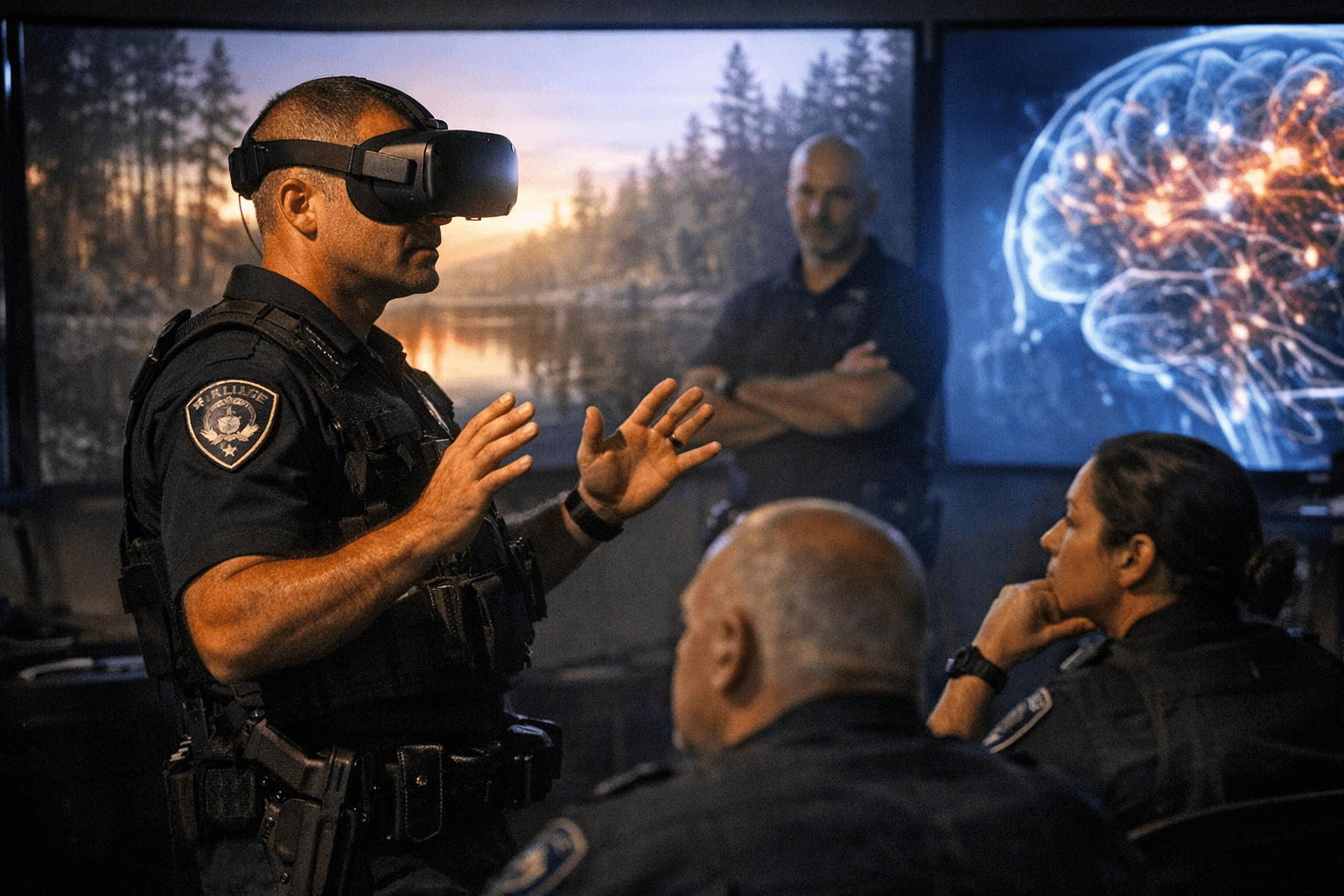
Oxford's police officers are getting a new set of mental tools built for the specific pressures of the job. The Oxford Police Department hosted HOLOS Training on March 23, an evidence-informed program designed to equip first responders with science-backed tools grounded in neuroscience, performance psychology, and tactical mindfulness.
The training teaches mental resilience, focus techniques, and physiological self-regulation tailored for first responders, giving OPD officers concrete strategies to manage stress and protect their long-term well-being on and off the job.
The department credited the city's leadership with making the initiative possible. In an announcement posted to OPD's Facebook page, the department thanked Mayor Robyn Tannehill and the Oxford Board of Aldermen for what it called "an unwavering commitment to investing in the department not just as professionals, but as people," adding that the support "means everything to officers and staff."
The adoption of HOLOS fits within a broader pattern of OPD investing in officer mental health. Oxford and Lafayette County officers also have access to Crisis Intervention Team training run by Communicare, the regional behavioral health organization. Communicare Executive Director Melody Madaris said OPD and the Lafayette County Sheriff's Department are both active participants in the CIT program, which is offered roughly every quarter for cohorts of 12 to 16 officers at a time. The course runs 40 hours and is open to any officer in Oxford or Lafayette County who requests it.
Madaris described the training's direct approach: "We start out with just a huge dump of mental health information so they can see what this looks like in real life." Officers work through scenarios drawn from actual incidents and learn de-escalation techniques for interacting with people experiencing a mental health crisis rather than a criminal one.
Oxford Police Chief Jeff McCutchen has spoken publicly about what that training can mean in practice. Reflecting on one officer's use of the skills, McCutchen said: "That is the heart of first responders and being committed to caring about people. He saw a need, he responded. And he met a need and he loved on a person and gave them a chance, and they're still with us today because of what he did."
The officer McCutchen referenced, identified only by last name as Sones, noted the shift in what the profession now offers. "When I first became an officer in 2014, this type of training wasn't available," Sones said, crediting Communicare's follow-through as central to its value: "Not only to intervene in the moment but to follow up after to give them the treatment they need to actually improve."
Many first responders experience high rates of mental health challenges including PTSD, anxiety, and depression, and law enforcement agencies nationally have moved toward structured wellness programming to address those pressures. For OPD, HOLOS represents the latest step in building a department that is equipped not just to respond to the community, but to sustain the officers doing the responding.
This article was produced by Prism’s automated news system from verified source data, official records, and press releases, then run through automated quality and moderation checks before publishing. The system is built and supervised by the people who set the standards it runs under. Read our full AI policy.
Did this article answer your question?