USDA tests aquifer recharge pilot to fight Delta groundwater depletion
Oxford researchers pushed filtered Tallahatchie River water back underground, and tests raised aquifer levels 1 to 7 feet near Shellmound.
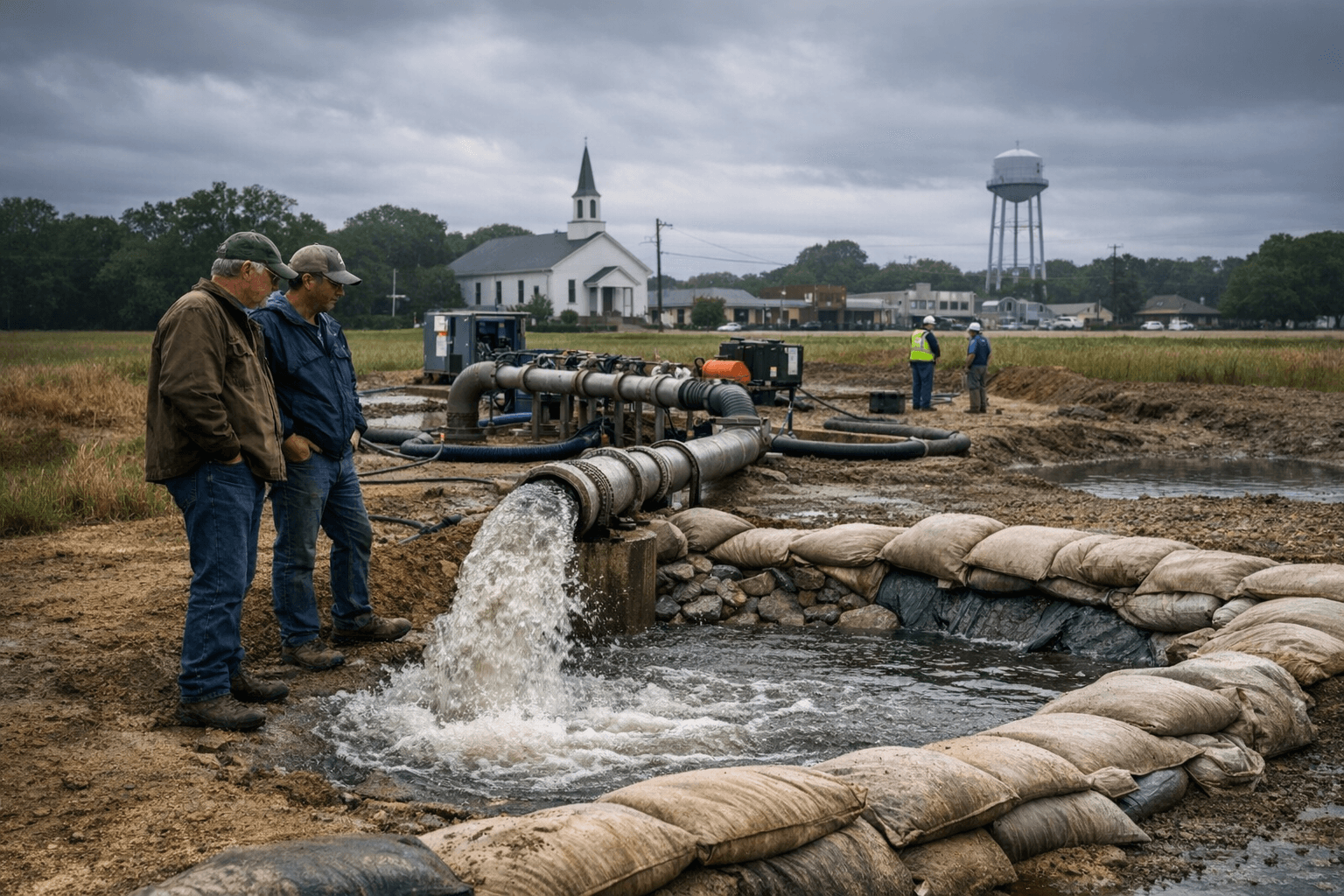
Lafayette County’s farms depend on the Mississippi River Valley Alluvial Aquifer, and USDA Agricultural Research Service scientists in Oxford tested a way to keep that water source from slipping further away. Their Groundwater Transfer and Injection Pilot sent naturally filtered river water back into depleted parts of the aquifer, a local experiment aimed at protecting irrigation water for North Mississippi and the wider Delta.
The stakes were clear. More than 19,000 permitted irrigation wells in Mississippi tap the shallow aquifer, and federal scientists have described long-term groundwater declines in the Mississippi Delta as a serious threat to the region’s future water supply. The Mississippi Alluvial Plain stretches across about 29,000 square miles, or 19 million acres, through Mississippi, Arkansas, Louisiana, Tennessee and Missouri, and the U.S. Geological Survey has called it the third largest area of irrigated cropland in the country.
What made the Oxford project different was the way it worked with, rather than against, natural filtration. Researchers at the National Sedimentation Laboratory used water drawn from a well near the Tallahatchie River, where riverbank filtration helped clean it before injection. Instead of waiting for rainfall to seep slowly downward, the system pumped that water into depleted groundwater zones, a faster managed recharge method designed for one of the most heavily used aquifers in the nation.
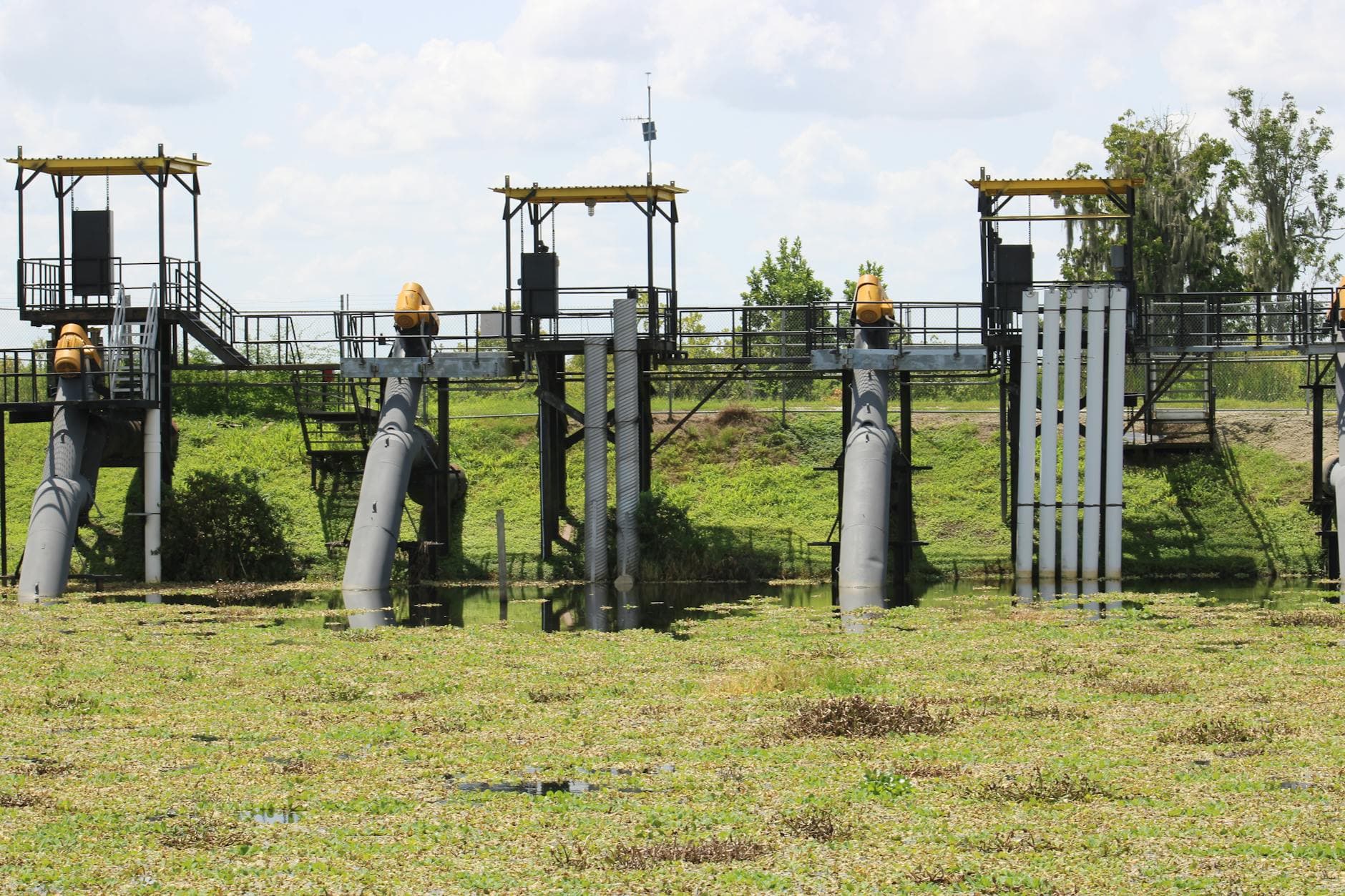
In ARS tests, aquifer levels rose 1 to 7 feet within a mile of the injection wells. A later USDA-ARS project update reported 204 days of continuous injection, totaling 575 acre-feet of water during operational testing. ARS has said only about 5% of rainfall reaches an aquifer through natural recharge, which is why scientists and water managers have looked to artificial recharge as pressure on the aquifer has grown.
The pilot was publicly marked with a ribbon-cutting near Shellmound on June 8, 2021, with USDA ARS, the U.S. Army Corps of Engineers, the Mississippi Department of Environmental Quality and USGS among the partners. The work reflected a broader regional effort to reduce groundwater withdrawal, increase recharge and protect water quality so irrigated agriculture can remain viable in Lafayette County, the Mississippi Delta and across the Lower Mississippi River Basin.
This article was produced by Prism’s automated news system from verified source data, official records, and press releases, then run through automated quality and moderation checks before publishing. The system is built and supervised by the people who set the standards it runs under. Read our full AI policy.
Did this article answer your question?


