Coast Guard urges Lake Superior boaters to prepare before launch
Cold water, fast weather changes and long rescue distances make Lake Superior mistakes costly. The Coast Guard’s checklist starts with life jackets, a float plan and a working radio.
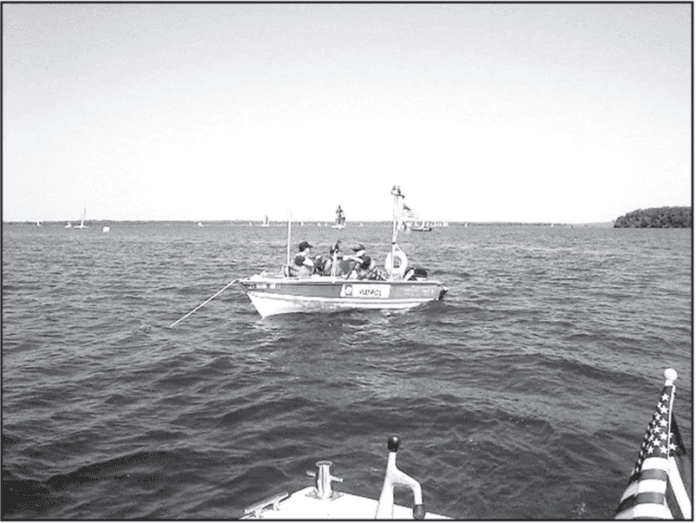
A skipped life jacket, a dead battery or an unfiled float plan can turn a quick outing on Lake Superior into a rescue call, an injury or a wrecked boat. That was the Coast Guard’s message as National Safe Boating Week opened, with U.S. Coast Guard Station Duluth reminding boaters that the first stretch of the season is when rust, cold water and changing weather can combine fast.
The warning carries special weight in Lake County, where the water off Two Harbors, Minnesota, can turn rough before a family launch has even left the harbor. Station Duluth’s area of responsibility runs from Two Harbors to Port Wing, Wisconsin, and Marine Safety Unit Duluth sits at the western end of Lake Superior, the largest freshwater lake in the world. Minnesota DNR says boating there is unlike most other waters in the state, especially with the Twin Ports harbor and the lower St. Louis River in the mix.

The Coast Guard’s checklist was straightforward: wear a Coast Guard-approved life jacket, carry proper safety gear, and file a float plan so someone knows where you are going and when you expect to return. The agency also urged boaters to double-check the engine and all equipment after months in winter storage, since a mechanical failure far from shore can become an expensive emergency before help arrives.

Communication is part of that preparation. A charged cell phone or a marine radio set to Channel 16 can be critical if trouble starts on the lake. The Coast Guard also reminded boaters that fake distress calls are not a prank but a felony, a detail that matters in a region where help may be far away and weather can change before a tow or rescue reaches you.
The numbers behind the warning are stark. In 2023, the Coast Guard reported 3,844 recreational boating incidents, with 564 deaths, 2,126 injuries and $63 million in property damage. Coast Guard statistics cited in a 2024 life jacket wear study showed that 75% of those fatalities involved drowning, and 87% of the drowning victims were not wearing life jackets.
Minnesota’s own 2024 boating statistics showed 8 fatal accidents, 9 deaths and 2 injuries, with a state fatality rate of 1.04 deaths per 100,000 registered watercraft, compared with 4.8 nationally. The Coast Guard Auxiliary, open to U.S. citizens and territory residents age 17 and older, said volunteers are part of the same safety net that protects local waters.
This article was produced by Prism’s automated news system from verified source data, official records, and press releases, then run through automated quality and moderation checks before publishing. The system is built and supervised by the people who set the standards it runs under. Read our full AI policy.
Did this article answer your question?