DNR expands spring burning restrictions to Lake, Cook counties
Brush piles, yard waste and other open burns were shut down in Lake and Cook counties as the DNR expanded spring restrictions to curb a leading cause of wildfires.
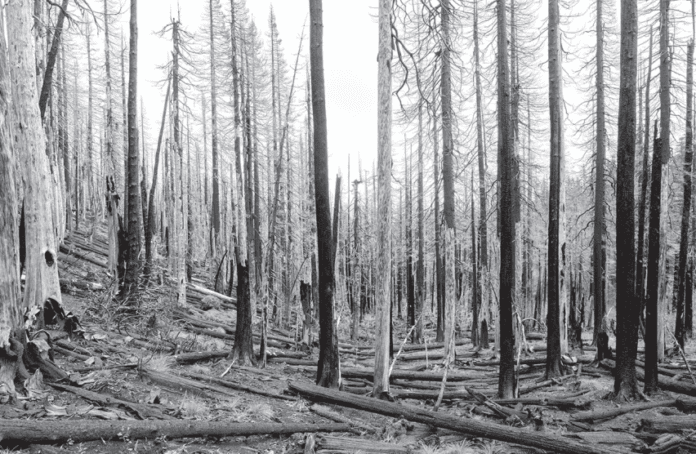
Brush piles and spring cleanup fires were off-limits in Lake and Cook counties after the Minnesota Department of Natural Resources expanded open-burning restrictions to cover both counties, starting Saturday, May 2 at 8 a.m. The move hit households, contractors and property owners across Lake County, from Two Harbors and Silver Bay to Beaver Bay, Finland and the surrounding unorganized territories.
The DNR said warm, dry weather had pushed fire danger higher across Minnesota and raised the risk that vegetative debris burns could escape control. State wildfire-prevention materials say escaped debris fires are Minnesota’s leading cause of wildfires, and about 4 of 10 wildfires in the state start that way. The agency has also warned that debris piles can smolder underground or inside the pile and flare up later, sometimes days or weeks after the original burn.

For Lake County residents planning spring cleanup, the restriction meant brush piles, yard waste and other open burning were barred until conditions improved. The DNR points people to composting, chipping or taking material to a collection site instead. Burning permits still exist, but they only apply when conditions are safe and restrictions are not in place. A permit allows small amounts of dry leaves, plant clippings, brush and clean untreated, unpainted wood, and online permits cost $5 for the calendar year.
The broader restriction already covered a large stretch of northern Minnesota, including Aitkin, Carlton, Koochiching, Lake of the Woods and St. Louis counties. Lake and Cook were added as the dry pattern continued. The DNR says burning restrictions are adjusted daily as weather and fire danger change, and its fire-planning dashboard now lists both counties under restriction.
The stakes go beyond a failed cleanup burn. If a fire rekindles or escapes, the person who set it is liable for damage and for the cost of wildfire suppression. The DNR says suppression costs can range from about $150 to millions of dollars. Failure to extinguish a fire can also be charged as a misdemeanor, punishable by up to 90 days in jail, a $1,000 fine or both.
Karen Harrison, a DNR wildfire prevention specialist, has said dry conditions can let a fire get out of hand faster than many people realize, which is why seasonal burning restrictions have helped reduce the number of wildfires over the past decade. For Lake County, the immediate message was plain: no brush burning now, and no assumption that a permit will override the restriction until the DNR’s daily updates say conditions have changed.
This article was produced by Prism’s automated news system from verified source data, official records, and press releases, then run through automated quality and moderation checks before publishing. The system is built and supervised by the people who set the standards it runs under. Read our full AI policy.
Did this article answer your question?