Lake County evacuations ordered as Northland wildfires spread
Lake County residents in Go zones were being warned door-to-door as the Camp Fire reignited, smoke alerts widened, and the Boundary Waters shut down.
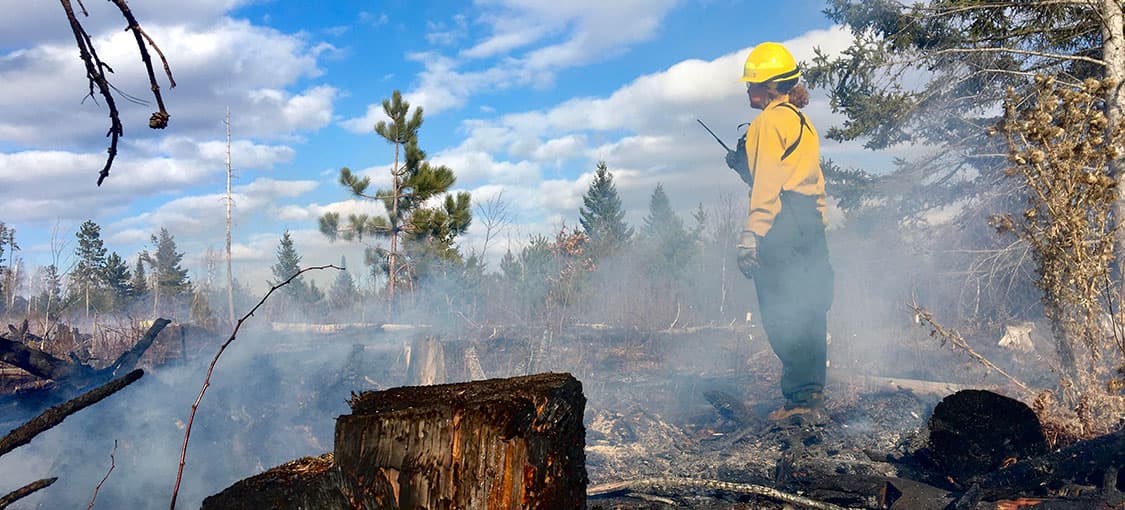
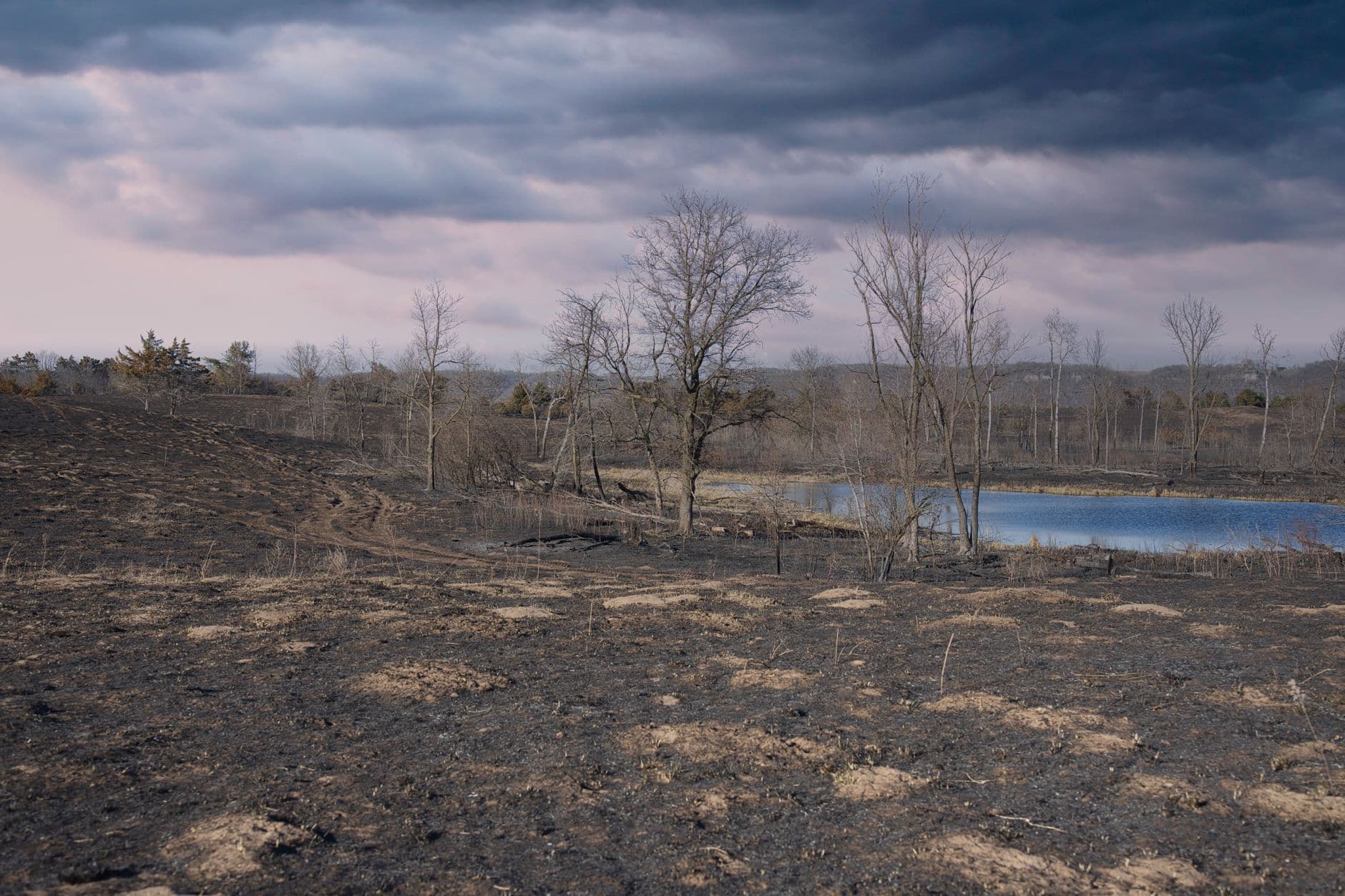
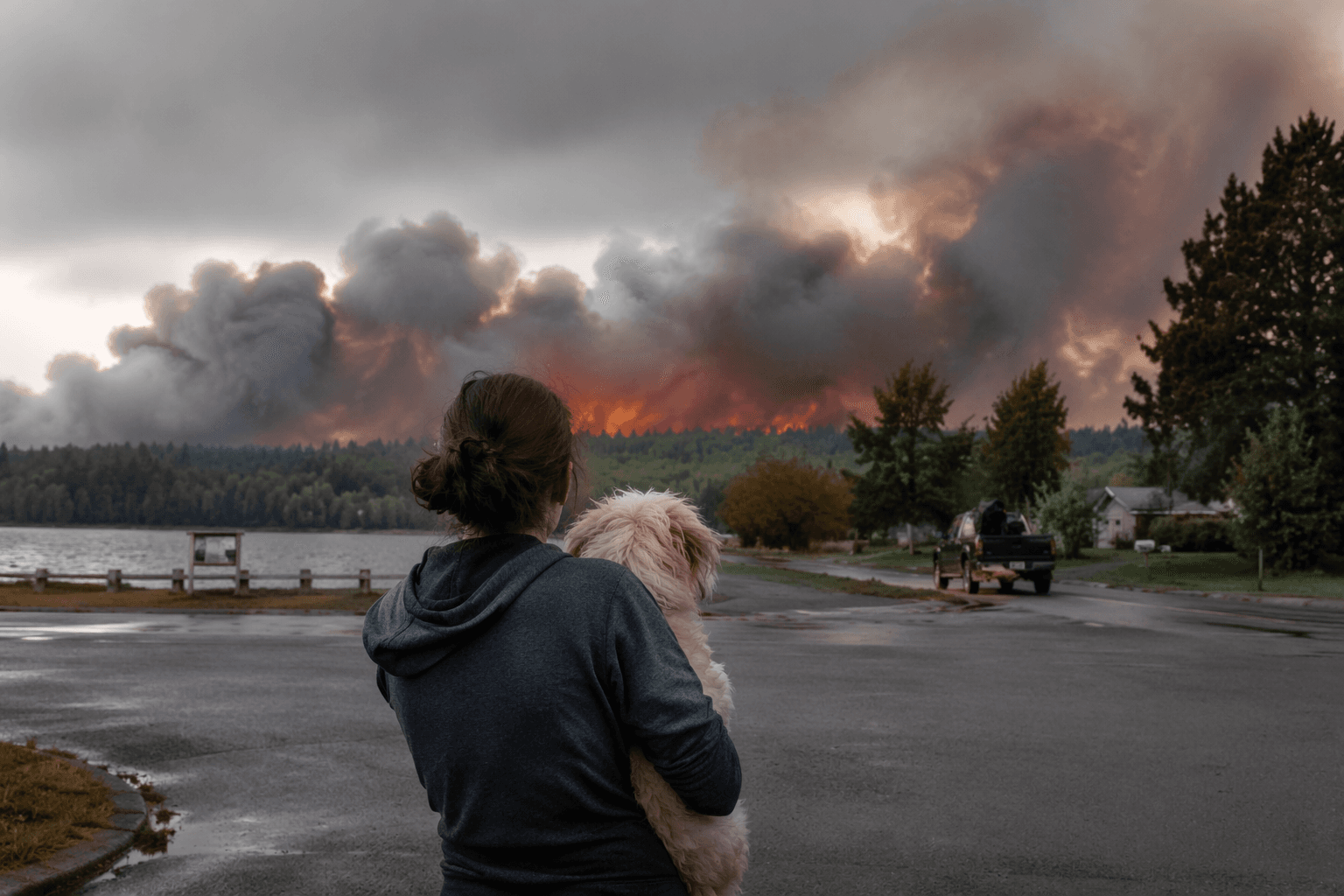
Lake County residents in evacuation zones were being told to prepare to leave as the Camp Fire reignited in the Superior National Forest and burned northeast, pushing the county into a rapidly changing wildfire emergency with smoke, closures and travel warnings across the North Shore.
Lake County emergency management activated the Ready, Set, Go system and the Lake County Sheriff’s Office carried out door-to-door notifications in the Go evacuation zone after the fire, first reported July 7 and initially estimated at about 1.6 acres, became active again July 13. The county said evacuation zones had been established and updated as conditions changed, with Warren LaPlante identified as the emergency manager handling the response.
The spread came as the U.S. Forest Service had already ordered an emergency closure for Boundary Waters Canoe Area Wilderness fire areas on July 10, effective July 11, closing public access to the Bear Trap, Thumb and Wolfpack fire areas in the LaCroix Ranger District on the Superior National Forest. The order covered multiple entry points and recreation corridors, including Angleworm Lake, Mudro Lake, Stuart River and the Sioux Hustler Trail, and the agency said affected permit holders would be notified through Recreation.gov while wilderness rangers swept the area to alert visitors. Reservation cancellations through Friday, July 17 carried full refunds, cutting off a core summer destination just as travel season peaks.
Smoke and heat were adding another layer of disruption. The Minnesota Pollution Control Agency issued an air quality alert for northeast Minnesota from 7 a.m. July 14 through 11 a.m. July 16, warning that conditions could reach the purple AQI category, which means very unhealthy for everyone. The alert area included Two Harbors, Hibbing, Ely and the Tribal Nation of Grand Portage, making outdoor work, hiking and routine errands riskier for anyone in the smoke path.
State response also widened. Gov. Tim Walz declared a peacetime emergency July 12 and authorized the Minnesota National Guard to assist with the fires as the region faced an intense stretch of fire danger. The National Weather Service had issued a Red Flag Warning for 13 counties in northern Minnesota on July 13, from 11 a.m. to 10 p.m., underscoring how quickly conditions could turn dangerous for crews and anyone living near the forest edge.
Live wildfire coverage across the Northland continued to track evacuations in both St. Louis and Lake counties, along with aerial suppression, smoke impacts and extreme heat. For Lake County, that meant road access, recreation, and even ordinary trips into town could change by the hour as agencies moved to keep people out of the fire’s path.
This article was produced by Prism’s automated news system from verified source data, official records, and press releases, then run through automated quality and moderation checks before publishing. The system is built and supervised by the people who set the standards it runs under. Read our full AI policy.
Did this article answer your question?