Lake County homeowners warned about hidden wiring hazards in summer projects
Hidden wiring problems often surface when Lake County cabins and garages reopen for summer. The safest fix is to slow down before old walls, wet outlets, or brittle insulation turn a project into a health hazard.
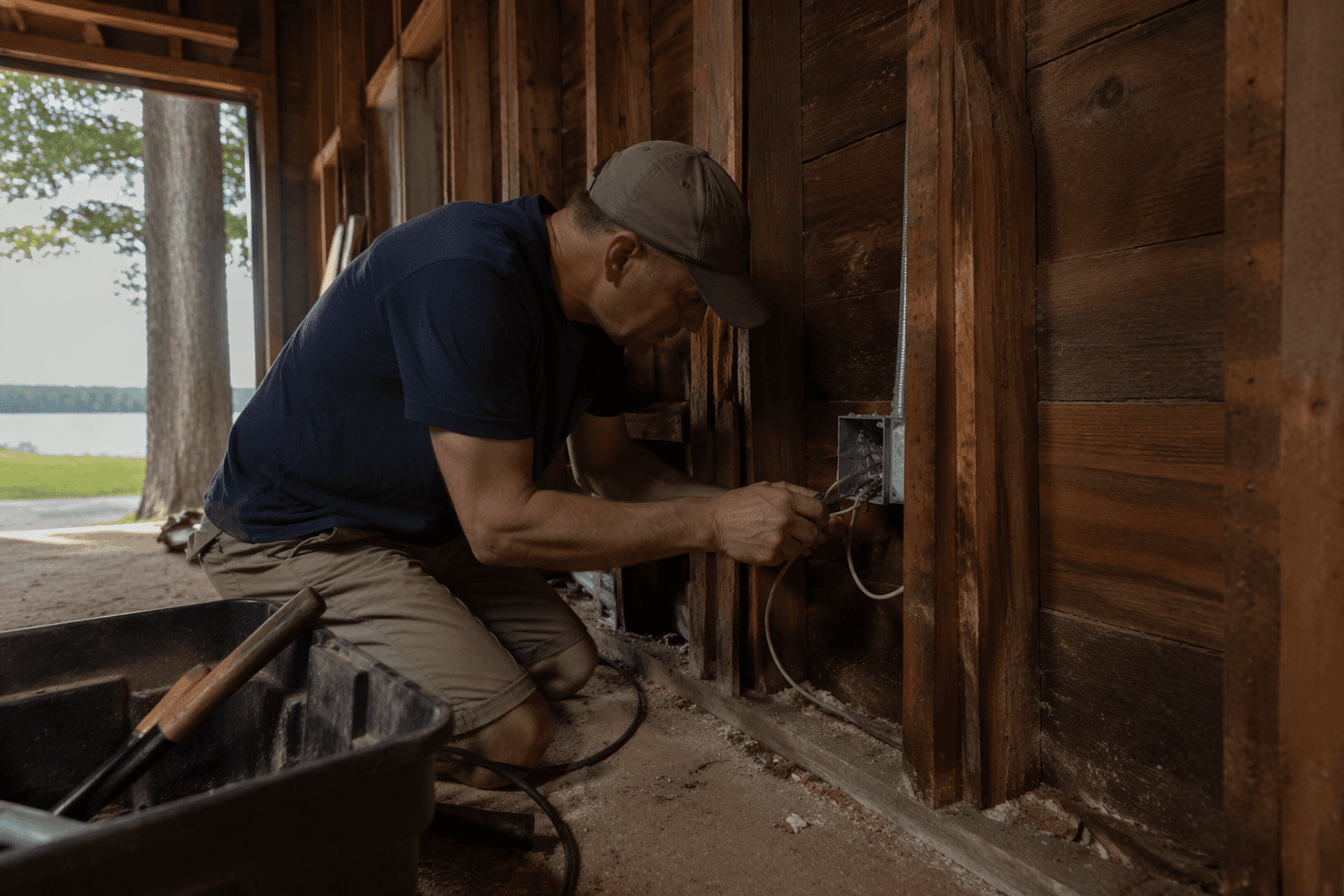
The most dangerous electrical problems in a summer cleanup are the ones you do not see: a damp outlet in the garage, an extension cord stretched across a workshop, an overloaded circuit already carrying more than it should, or a do-it-yourself repair hidden behind a wall. In Lake County, where many homes and cabins are older, owner-occupied, and seasonal, those risks rise fast when winter ends and projects begin. The safest rule is simple: before you cut, scrape, move, or rewire anything, stop and find out what is behind the surface.
Why Lake County homes need extra caution
Lake County had 10,905 residents in the 2020 census and an estimated 10,746 on July 1, 2025, with 7,662 housing units and an owner-occupied housing rate of 83.5 percent. That mix means a lot of people are working on property they know well, but have not opened up in years. In Two Harbors and across the North Shore, garages, sheds, cabins, and shoreline homes often sit closed through winter, then get hit with a burst of electrical, plumbing, painting, and repair work all at once.
That is also why the county tells owners of older homes and cabins near lakes or rivers to contact Lake County Planning and Zoning. Setbacks and future-use limits can affect what you are allowed to change, especially on properties with long shorelines and older footprints. Since the mid-1970s, the county’s Planning and Zoning office has said it works to protect public health, safety, and the general welfare of the public and environment, which makes the office part of the same safety conversation as the electrician’s truck in the driveway.
The hidden hazards that show up first
The most common trouble starts with convenience. Extension cords get left in place for power tools, fans, and temporary lighting, then become a permanent part of the setup. Damp outlets in garages, crawl spaces, and outdoor work areas are another problem, especially when spring moisture lingers or a cabin has sat unheated for months. Add in overloaded circuits and quick DIY repairs, and a small project can turn into a fire risk or an electric shock hazard.
The warning sign is not always dramatic. A project becomes high-risk any time you are opening walls, moving wiring, or replacing fixtures in an older home or cabin. If the work depends on guessing what a previous owner did, or if a cord, outlet, or circuit already seems suspect, that is the point to stop and bring in a licensed electrician instead of pushing ahead.
When old insulation may be asbestos
One reader, Dan O., asked about old wiring that might contain asbestos insulation, and that concern is real for older homes. Minnesota health officials say asbestos was used in more than 3,000 construction materials and manufactured products, many of them found in homes, and that it becomes dangerous when disturbed. It can show up not only in pipe wrap and boiler insulation, but also in some old wiring insulation, plaster, and joint compound.
The key distinction is exposure versus disturbance. Leaving suspect material untouched is very different from cutting, scraping, or tearing it out during a renovation. If you find brittle or questionable material, the safest move is to stop work, leave it in place if possible, and have a qualified professional review it before anything is removed. The Minnesota Department of Health says asbestos exposure can cause lung cancer, asbestosis, and mesothelioma, and that a certified asbestos inspector must conduct asbestos inspections and assessments in Minnesota.
That inspection step matters because visual guessing is not enough. Cloth wiring or other old materials may look harmless from the outside, but the state says inspections or assessments may be required before renovation or demolition. If your project is already at the point where walls need to come apart, a licensed electrician and a certified asbestos inspector may both need to be involved before the job moves forward.
Lead paint rules reach more than painters
Another hidden issue in older Lake County homes is lead paint. Any home built or painted before 1978 may contain it, and the danger often comes from the dust created when a project involves sanding, scraping, drilling, or demolition. The U.S. Environmental Protection Agency says any renovation, repair, or painting project in a pre-1978 home with lead-based paint can create dangerous lead dust, especially on high-friction surfaces like doors and window sills.
This is not just a paint contractor issue. Minnesota says the federal renovation, repair and paint rule affects firms and workers including electricians, plumbers, HVAC workers, carpenters, painters, and property managers when they disturb known or presumed lead-based paint. The EPA says contractors working on pre-1978 homes must be lead-safe certified under the RRP rule, and Minnesota’s health department has been updating lead-related rules as it lowers the elevated blood lead level that triggers an in-home assessment to 5 mcg/dL for children up to age 18 and pregnant people.
That change underscores the public health stakes. Lead exposure can affect children and pregnant people in ways that do not always show up right away, which is why dust control and certified work matter as much as the finished repair. In older homes, one careless hour of sanding or drilling can create a longer-term health problem for the people who live there.
How to slow the project down before it gets dangerous
The safest approach is to treat every older wall, outlet, and fixture as if it may hide more than wiring. House-history research can help you understand what you are dealing with before the first cut, and the Minnesota Historical Society says homeowners can use insurance maps, city directories, photographs, local libraries, and county historical societies to trace a property’s past. For historic homes, that matters because owners are stewards, responsible for sensitive maintenance rather than rushed demolition.
- If the wiring, insulation, or surrounding material looks brittle or questionable, stop and have it checked.
- If the space is damp, wet, or exposed to spring moisture, do not assume the outlet or circuit is safe.
- If the project means opening walls, moving wiring, or replacing fixtures in an older home, call a licensed electrician before you proceed.
- If the work could disturb asbestos or lead paint, bring in the right certified professional first.
A good stop-work rule is straightforward:
For Lake County homeowners, that caution is not about slowing down summer repairs for the sake of it. It is about protecting people in homes that are older, often cherished, and often more vulnerable than they look. In a county where so much housing is owner-occupied and seasonally used, the safest project is the one that begins with patience and ends with the right professional help.
This article was produced by Prism’s automated news system from verified source data, official records, and press releases, then run through automated quality and moderation checks before publishing. The system is built and supervised by the people who set the standards it runs under. Read our full AI policy.
Did this article answer your question?