Lake County ratifies emergency declaration after Stewart Trail wildfire damage
Lake County ratified its emergency declaration after the Stewart Trail fire destroyed 34 structures and forced evacuations along Highway 61. The move activates county disaster-response and cleanup authority.
Lake County has formally locked in the emergency powers tied to the Stewart Trail wildfire, giving county officials a legal basis to coordinate response, cleanup and recovery for residents hit by the blaze. The Lake County Board of Commissioners ratified Board Chair Rich Sve’s earlier local emergency declaration at a brief May 19 meeting in Stony River Township outside the Isabella Community Center.
All five commissioners were present, along with County Administrator Matthew Huddleston, Interim County Attorney Lara Nygaard and Emergency Management Director Warren LaPlante. The board voted unanimously to declare that a state of local emergency existed in Lake County and to authorize the powers and responsibilities that come with that status under Minnesota Chapter 12. The meeting lasted about two minutes, but the action carried lasting consequences for how the county can organize its wildfire response and recovery.
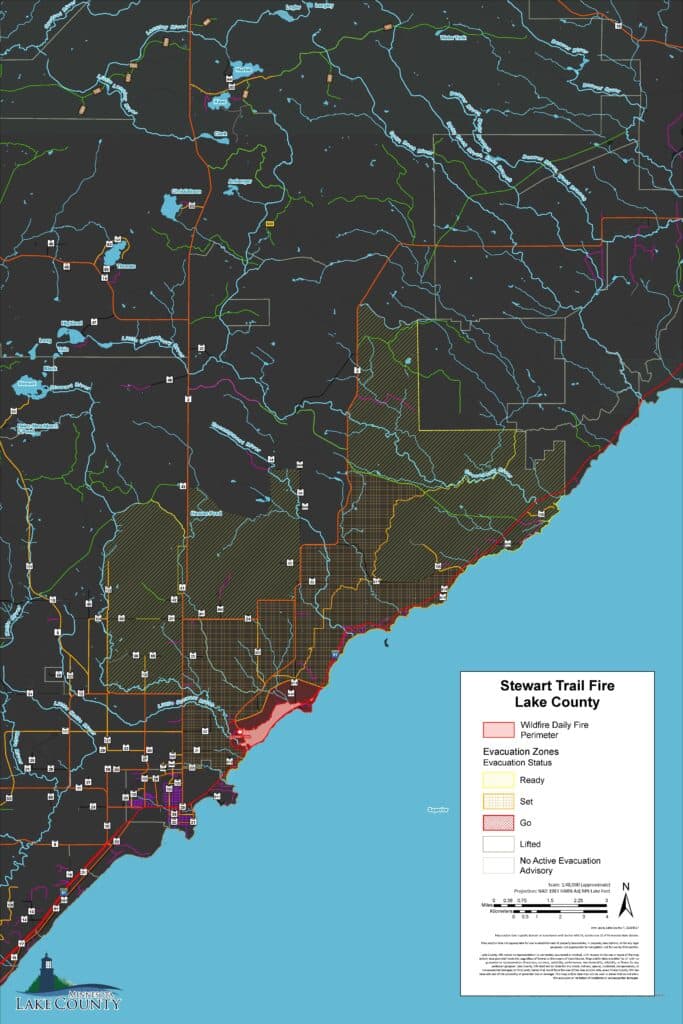
The declaration followed a fire that began May 15 northeast of Two Harbors along Highway 61, where dry, windy conditions helped it spread quickly. By May 16, evacuation orders were still in effect and Highway 61 remained closed between Two Harbors and Silver Bay as crews worked around the clock. Lake County Sheriff Nathan Stadler urged patience while responders kept people safe, and officials warned that fire-damaged standing trees could fall in gusty winds.
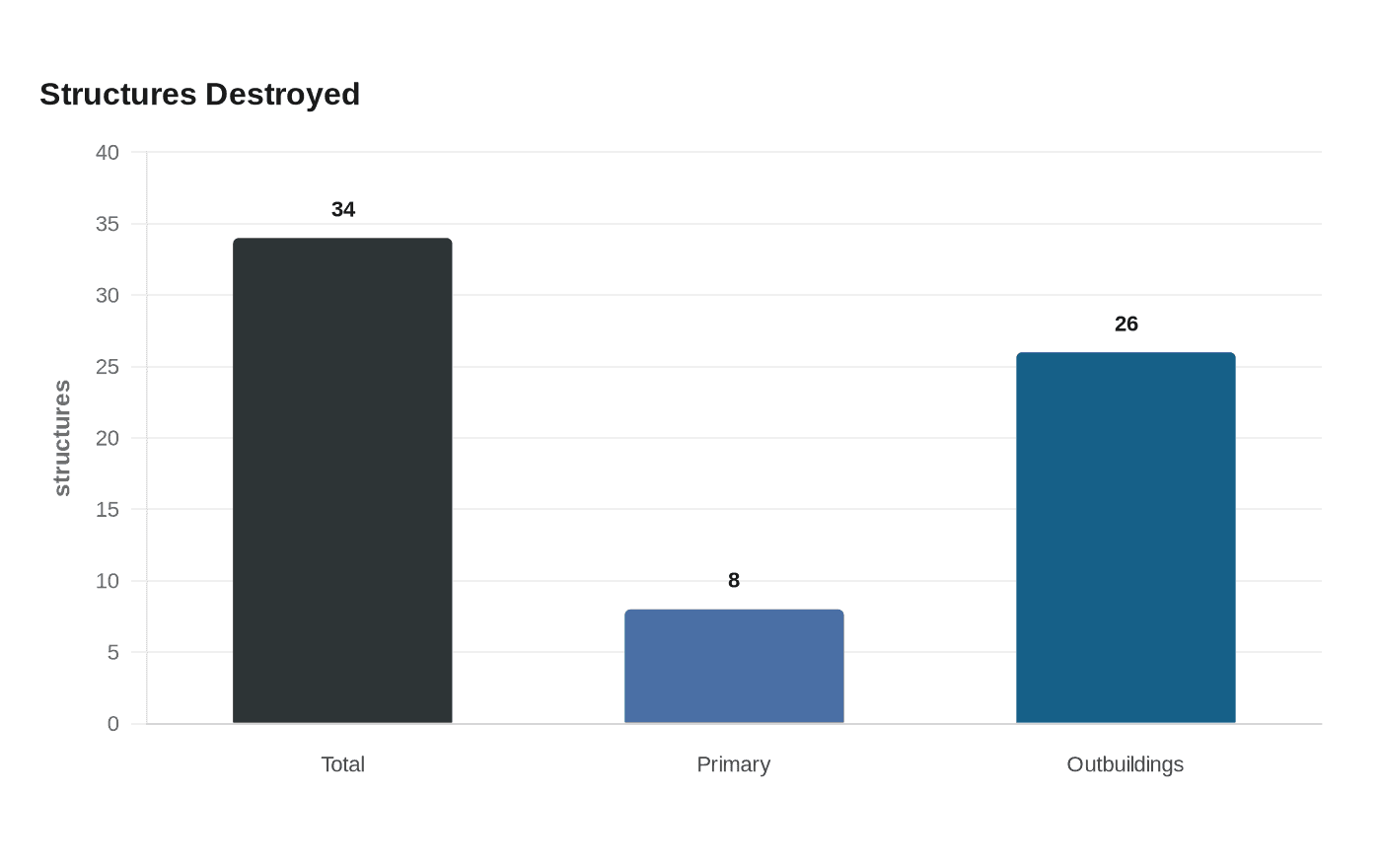
Gov. Tim Walz visited the incident command center in Two Harbors on May 18, when the fire was estimated at 355 acres and 62 percent contained. By May 19, it was reported as fully contained, and later reporting put the final size at 356 acres. The fire destroyed 34 structures, including eight primary structures such as homes and cabins and 26 outbuildings. MNICS reporting said a downed power line caused the blaze.
The county’s declaration matters because it formalizes the government’s authority to manage the aftermath, from debris handling to resident assistance. Lake County later set up a Community Outreach Event for affected property owners on May 28, and it opened a temporary transfer station for burned debris at the Lake County Demolition Landfill, with no disposal fees for eligible material through July 2, 2026. A separate burned vegetation disposal site also operated around the clock. County recovery planning has already centered on homes, septic systems and damaged trees, all of which will shape cleanup and rebuilding in the weeks ahead.
The Minnesota Department of Natural Resources said the fire burned during a dangerous weather window on May 15 and 16, with temperatures in the 70s and 80s, relative humidity between 15 and 25 percent, and wind gusts frequently above 30 mph. Rain on May 17 through 19, including about a half-inch or more in the Two Harbors area, helped firefighters bring the incident under control. Lake County’s ratification now serves as the county’s formal acknowledgment that the Stewart Trail fire was not just a firefighting event, but a disaster with public-safety, environmental and recovery consequences that will continue long after the flames were out.
This article was produced by Prism’s automated news system from verified source data, official records, and press releases, then run through automated quality and moderation checks before publishing. The system is built and supervised by the people who set the standards it runs under. Read our full AI policy.
Know something we missed? Have a correction or additional information?
Submit a Tip