Lake County residents urged to check alcohol, medication habits
Lake County's latest health reminder points to practical help, from treatment options to medication drop boxes, before alcohol or pills become a crisis.

A healthy relationship with alcohol and medication in Lake County starts with a few blunt questions: Is use still occasional, are pills locked up, and is anything being used to numb stress or grief? In a county where long drives and limited access can turn a small problem into a larger one, the safest move is to act before the habit becomes a crisis.
What healthy balance looks like here
Healthy balance is not about pretending alcohol, prescriptions, or other common substances do not belong in daily life. It is about keeping them in the right place: controlled, limited, and tied to a real need instead of becoming the default answer to stress, pain, loneliness, or sleep problems. That matters in Lake County, where households often juggle chronic pain treatment, anxiety medications, social drinking, and the ordinary strain of getting through a busy season.
The clearest warning is when use stops being occasional and starts becoming a coping tool. If drinking is the way someone winds down every night, if medication is being taken sooner than prescribed, or if pills and alcohol are being mixed without thinking twice, the balance has already shifted. A family does not need to wait for a major incident to treat that as a problem.
Where help is already available in Lake County
Lake County has built a local support network around chemical dependency and addiction, and it is broader than many people realize. The county’s Health and Human Services support guide includes a Chemical Dependency and Addiction section with local support meetings and treatment resources. Lake County Social Services says its chemical dependency services include prevention, community education, case management, assessment, detoxification services, treatment services, and aftercare.
That matters because help is not limited to a single emergency door. The Center for Alcohol and Drug Treatment offers substance abuse treatment services, including walk-in Suboxone inductions and assessments, naltrexone for alcohol or opioid use disorder, telehealth, and referrals to treatment. County mental-health support listings also include 988, which gives families a direct crisis option when substance use is tangled up with anxiety, depression, or another mental-health concern.
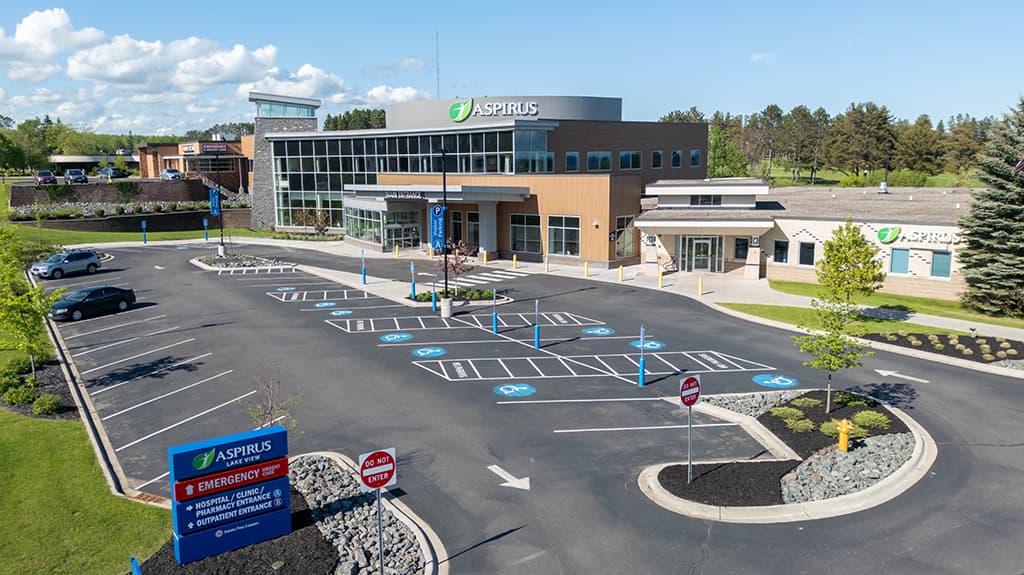
The county’s own public-health work shows this is not a new conversation. Lake View Hospital and Lake County Public Health partnered on a community health needs assessment, with planning meetings starting in April 2022. That kind of collaboration is important in a rural county because prevention works best when it is local, familiar, and easy to reach before a problem grows into an emergency.
Warning signs families should watch for
The most important sign is a change in purpose. Alcohol or medication should not become the thing someone reaches for every time they are stressed, grieving, angry, or unable to sleep. When that happens, use is no longer just part of a routine. It is starting to carry the load of emotional pain, and that is when risk climbs.
Families should also pay attention to mixing substances, especially alcohol with prescription medications. The Centers for Disease Control and Prevention says anyone taking prescription opioids can become addicted, and it stresses that secure storage and prompt disposal of unused opioids reduce risk. If a bottle is disappearing faster than expected, if doses are being taken outside the directions on the label, or if medication is being shared, those are not small habits. They are early warning signs.
It is also worth noticing practical changes at home: more hiding, more secrecy, more missed obligations, or a growing stash of unused pills. The point is not to shame anyone. It is to recognize the shift early enough that help is still straightforward.
Safer storage and disposal can lower the risk fast
Lake County makes disposal easier than many places. The county says old and unwanted medicines can pose a risk for accidental poisoning, theft, and drug abuse, and it lists medication drop-off locations at the Law Enforcement Center lobby in Two Harbors, Lake View Pharmacy, and Essentia Pharmacy - Two Harbors (Super One). That gives residents a concrete way to clear out cabinets instead of letting leftovers linger for months.
The county also offers sharps disposal options at Lake View Medical Clinics in Silver Bay and Two Harbors. Those sites accept needles, lancets, and syringes during business hours, which helps keep bathrooms, medicine cabinets, and trash bins safer. For households managing diabetes care, injectable medications, or other treatments that use sharps, that local access makes the difference between safe disposal and accidental exposure.
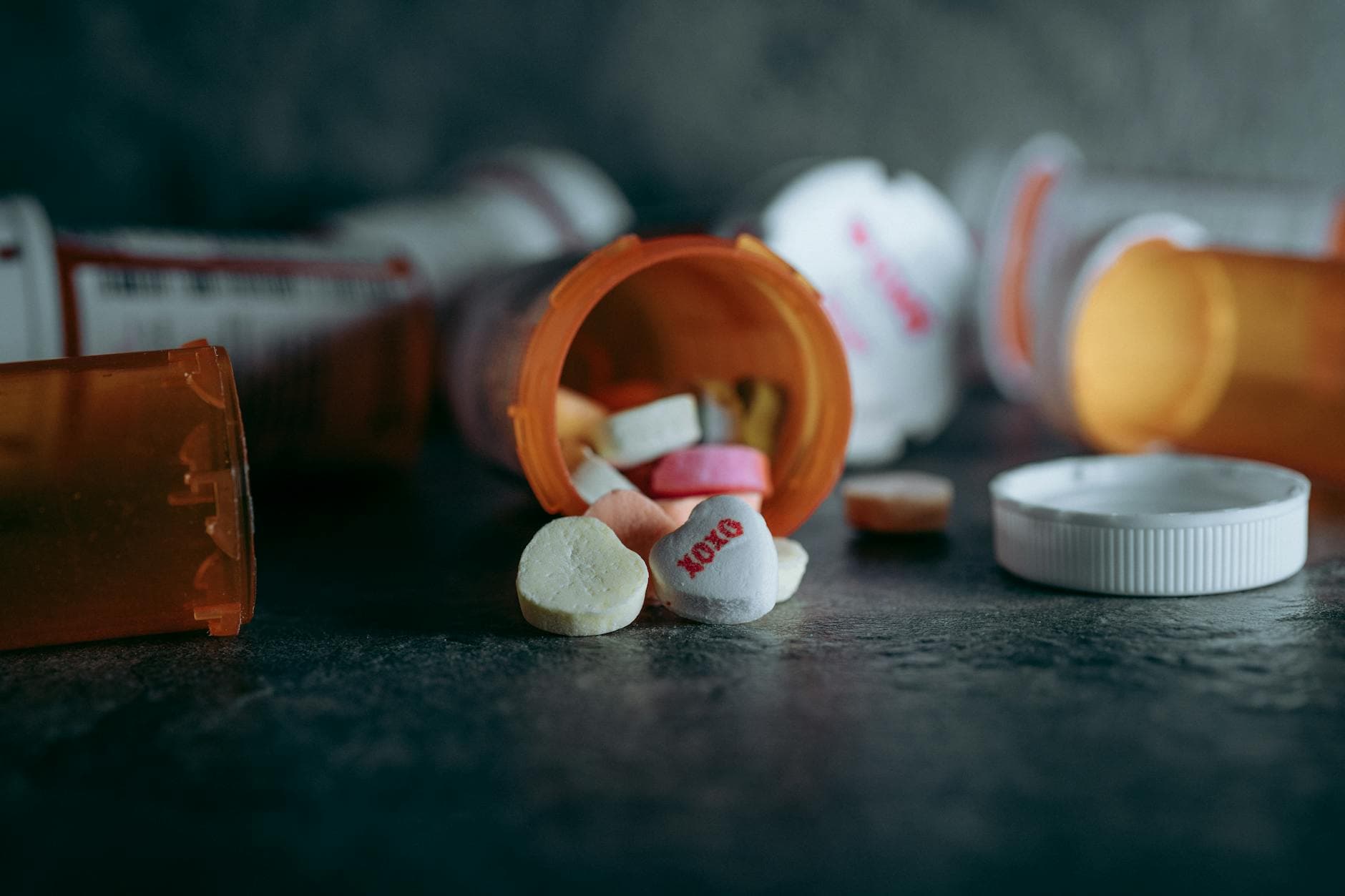
Secure storage is just as important as disposal. Keep medications out of sight, out of reach, and ideally locked. Never leave prescriptions in a car, purse, or open drawer if children, guests, or teens can reach them. A few minutes of prevention can prevent a poisoning, a theft, or a spiral that starts with one bottle and spreads through the whole household.
Why the numbers should get attention
Minnesota’s statewide numbers show why this reminder matters. The Minnesota Department of Health says 58.4% of adults in the state reported drinking alcohol in 2023, and the adult binge drinking rate was 17%, among the highest in the nation. That is not a niche issue. It is a mainstream habit with real health consequences.
The state also reports that 9.2% of Minnesota 9th- and 11th-grade students said they had used alcohol in the previous 30 days in 2022, down from 21% in 2013. That drop is encouraging, but it does not erase the broader risk. The Minnesota Department of Health says excessive drinking can contribute to motor vehicle injuries, violence, heart disease, cancer, alcohol poisoning, and poor birth outcomes. Those harms do not stay abstract for long in a county where people drive long stretches, work in close-knit settings, and rely on one another every day.
On the overdose side, the Minnesota Department of Health says its 2024 overdose data report showed a significant decrease in overdose deaths since 2023. Even so, the state still points local agencies toward county-level overdose death tables and dashboards so communities can shape their response around local patterns. That is the right approach for Lake County too: treat the issue early, use local data, and connect people to help before there is a funeral, a job loss, or a hospitalization.
The practical message is simple. Healthy substance use is not just about saying no. It is about safe storage, prompt disposal, not mixing alcohol with medications, and asking for help the moment use starts to feel like a coping strategy instead of an occasional choice. In Lake County, the support is already there, from Two Harbors to Silver Bay, and the safest time to use it is before the problem becomes impossible to ignore.
This article was produced by Prism’s automated news system from verified source data, official records, and press releases, then run through automated quality and moderation checks before publishing. The system is built and supervised by the people who set the standards it runs under. Read our full AI policy.
Did this article answer your question?