Lake County residents urged to recognize PTSD signs and seek help
PTSD can affect anyone in Lake County, and local help is available now through 988, Let’s Talk, Accend Services and the Duluth Vet Center.

Flashbacks, sleep changes and a constant sense of being on edge can turn ordinary routines into a daily strain, yet many people still assume post-traumatic stress disorder is something that affects only combat veterans. June’s PTSD Awareness Month reminders are meant to cut through that myth, help Lake County residents recognize the signs in themselves or the people they love, and point them toward help that is already within reach.
What PTSD can look like
PTSD can follow traumatic experiences such as accidents, natural disasters, assault or military service, and it does not look the same in every person. The warning signs can be easy to miss at first, especially when someone is trying hard to keep going at work or at home. Common signs include flashbacks, feeling constantly on edge or easily startled, avoiding places or activities that bring up memories, and changes in sleep, mood or relationships.
That matters for families and friends as much as for the person living with the symptoms. A spouse may notice someone sleeping poorly for months, a parent may see a child or adult child pulling away, and a friend may realize that the person who once seemed steady now reacts intensely to ordinary noise or stress. The condition can affect anyone, including veterans and people whose lives have been shaped by repeated exposure to trauma.
Why the numbers matter
The scale of PTSD is larger than many people realize. The U.S. Department of Veterans Affairs National Center for PTSD says about 5% of U.S. adults have PTSD in any given year, while the National Institute of Mental Health estimates the lifetime prevalence among adults at 6.8%. The VA also says about 12 million people in the United States are currently living with PTSD.
Those numbers help explain why a county-level awareness push is not just symbolic. PTSD is common enough that most families will know someone who has struggled with it, even if they have never said the words out loud. The point is not to pathologize every stressful reaction, but to give residents a framework for noticing when fear, avoidance and hypervigilance are lingering long after the traumatic event itself.
June is also the month Minnesota Department of Veterans Affairs messaging identifies as PTSD Awareness Month, and the VA marks PTSD Screening Day on June 27. For people who have been putting off a conversation with a doctor, counselor or veteran support office, that date can serve as a practical reminder to take one small step toward care.
Where Lake County residents can turn
Lake County’s mental-health support guide points residents to a mix of local, regional and statewide resources, which is important in a rural county where access can feel fragmented. Accend Services in Two Harbors is listed with phone number 218-724-3122, and the guide says it accepts Minnesota Health Care programs insurance, private insurance and private pay. Other listed options include Amberwing, North Shore Mental Health Group, Two Rivers Counseling and the Duluth Vet Center.
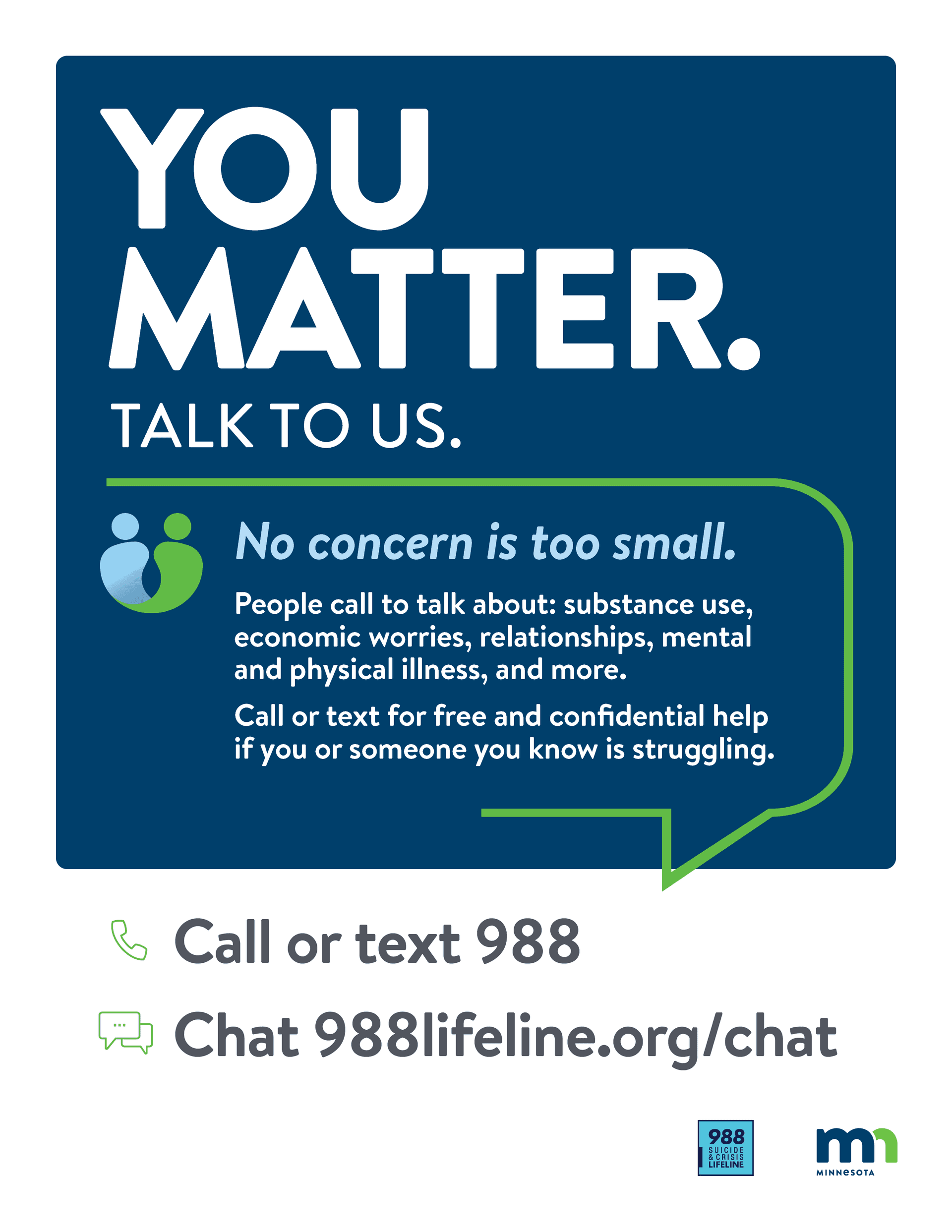
For urgent or after-hours help, Minnesota’s 988 Lifeline is free, confidential and available 24/7. State guidance says callers can use it for themselves or for someone they care about, which matters when a family member is worried but unsure whether a situation has crossed into crisis. Lake County’s Let’s Talk Regional Mental Health Crisis Line is another local option, and it can connect people to area resources, dispatch a mobile crisis team and offer short-term residential crisis services.
For veterans, the Duluth Vet Center is a particularly relevant resource because it can help connect military experience and trauma history to care that feels familiar and specialized. For everyone else, the county guide shows that help is not limited to one office or one model of treatment. The practical goal is simple: if one door feels hard to open, there are others.
What gets in the way of care
Even with clear signs and real services, many people still do not seek help. The VA says PTSD treatment works, can reduce symptoms and improve quality of life, and that it is never too late to get help. At the same time, the VA notes that most people who have PTSD do not get the help they need, which points to a gap between what is known about treatment and what people actually receive.

In a county like Lake, barriers can include stigma, privacy concerns, confusion about whether symptoms are serious enough to mention and the ordinary logistics of rural life, such as sorting out insurance or figuring out which clinic to call first. Resources like Accend’s accepted insurance options and the 24-hour Let’s Talk line matter because they reduce some of that friction before a crisis deepens. When treatment is hard to access, people often wait longer than they should.
How to support someone living with PTSD
Support often starts with listening carefully and taking the person’s experience seriously. The guidance in the awareness piece is direct: be patient, listen without judgment, respect boundaries, encourage professional help and take care of your own mental health while supporting someone else. That advice matters for spouses, parents, adult children, close friends and caregivers who may be carrying the worry long before anyone says PTSD out loud.
It also helps to remember that pushing too hard can backfire. Some people need time before they can talk about what happened, and others may not yet have language for why they are avoiding certain places, losing sleep or snapping at people they trust. The most useful response is often steady, respectful and practical, not dramatic.
A local message with real consequences
PTSD awareness is not just about naming a disorder. In Lake County, it is about shortening the distance between a symptom and an answer, between a worried family member and a phone call, between silence and treatment. The resources are there, from 988 and Let’s Talk to Accend Services, North Shore Mental Health Group, Two Rivers Counseling and the Duluth Vet Center, and the message from state and federal mental-health guidance is the same: trauma can be treated, recovery is possible, and no one in the county has to navigate it alone.
This article was produced by Prism’s automated news system from verified source data, official records, and press releases, then run through automated quality and moderation checks before publishing. The system is built and supervised by the people who set the standards it runs under. Read our full AI policy.
Did this article answer your question?