Lake County updates cannabis ordinance, clarifies where rules apply
Lake County's cannabis rules now clearly cover parks, restaurants and schools in county-zoned areas, while cities and towns with their own zoning stay outside the ordinance.
Lake County’s amended cannabis ordinance drew a sharper line between county authority and local control, limiting where the rules apply and spelling out where public use is off-limits. The change matters for residents, landlords, law enforcement and prospective cannabis businesses because it tells them which parts of the county fall under Lake County planning and zoning, and which do not.
The notice, published April 22, said Ordinance No. 29 had been amended and now applies only to parts of Lake County where the county exercises planning and zoning authority. It does not apply inside any city or town that controls its own planning and zoning. That boundary is important in a county with a mix of incorporated communities and unorganized territory, because the same activity can be treated differently depending on which government controls the land.
The ordinance also gave a broad definition of a public place for cannabis-use purposes. Under the county’s language, public places include public parks, government-owned or controlled property, and enclosed indoor spaces used by the general public. That list reaches restaurants, bars, food and liquor establishments, retail stores, other commercial establishments and educational facilities, including public schools. By naming those settings, the county is trying to remove uncertainty for staff, deputies, property owners and business operators who need a clear standard when use occurs where it is not allowed.
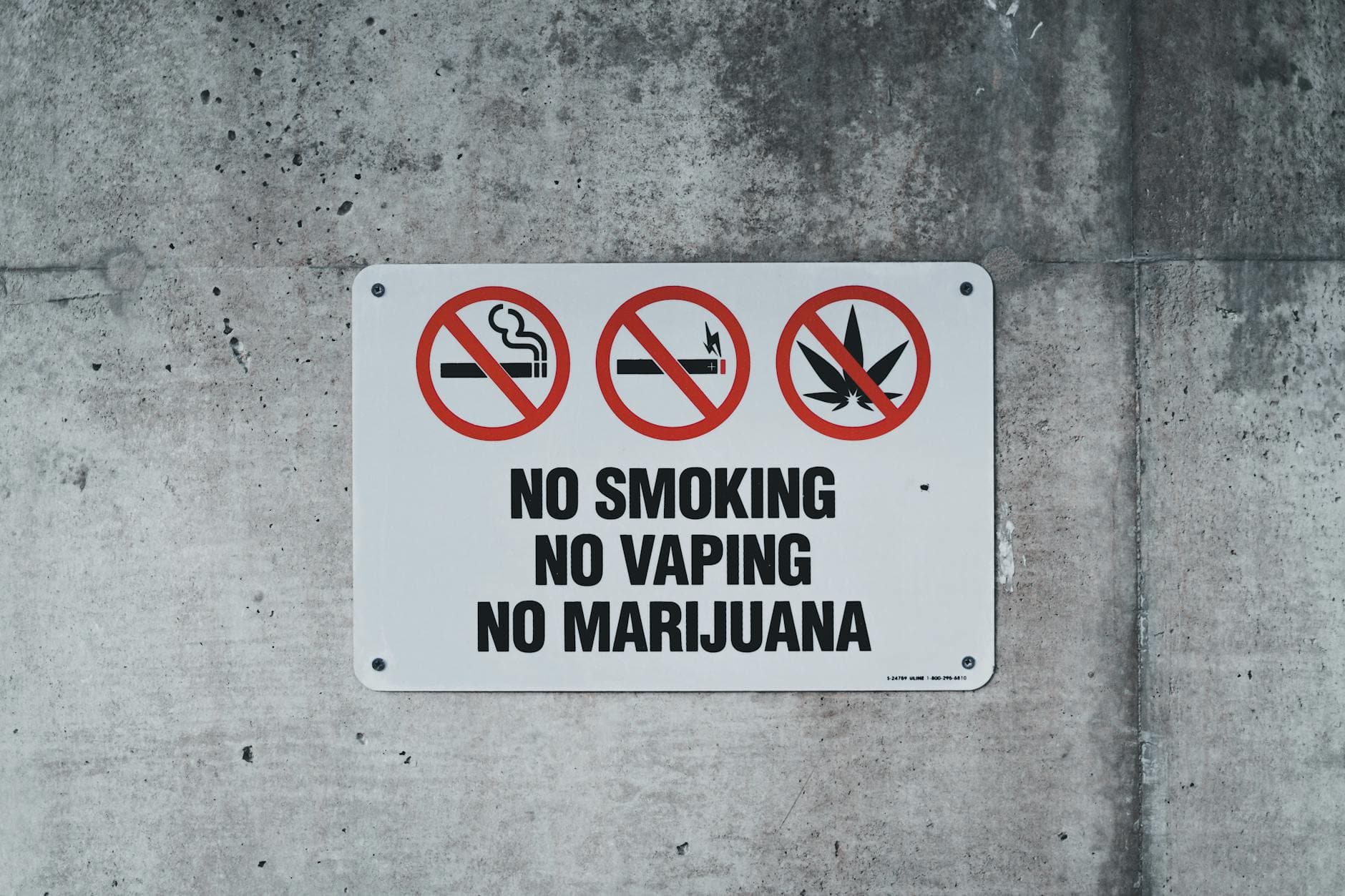
For landlords and businesses, the practical effect goes beyond legal wording. The rules shape how property owners handle shared spaces, how businesses think about signage and customer conduct, and how county staff respond when cannabis use happens in prohibited places. For prospective cannabis businesses, the ordinance means site selection now has to account for Lake County’s zoning map and the fact that city and town rules may differ from county rules just a few miles away.
The notice shows Lake County still building out its local framework as Minnesota’s cannabis system develops. In a county where parks, schools, public facilities and mixed-use business areas sit alongside unorganized territory, the ordinance gives deputies and residents a clearer line on where cannabis activity can be regulated and where it cannot.
This article was produced by Prism’s automated news system from verified source data, official records, and press releases, then run through automated quality and moderation checks before publishing. The system is built and supervised by the people who set the standards it runs under. Read our full AI policy.
Did this article answer your question?