Lake County veterans officers clarify what they can and cannot do
Lake County veterans often start with the county office, but Brad Anderson says his role ends at benefits and claims, not VA medical care or prescriptions.
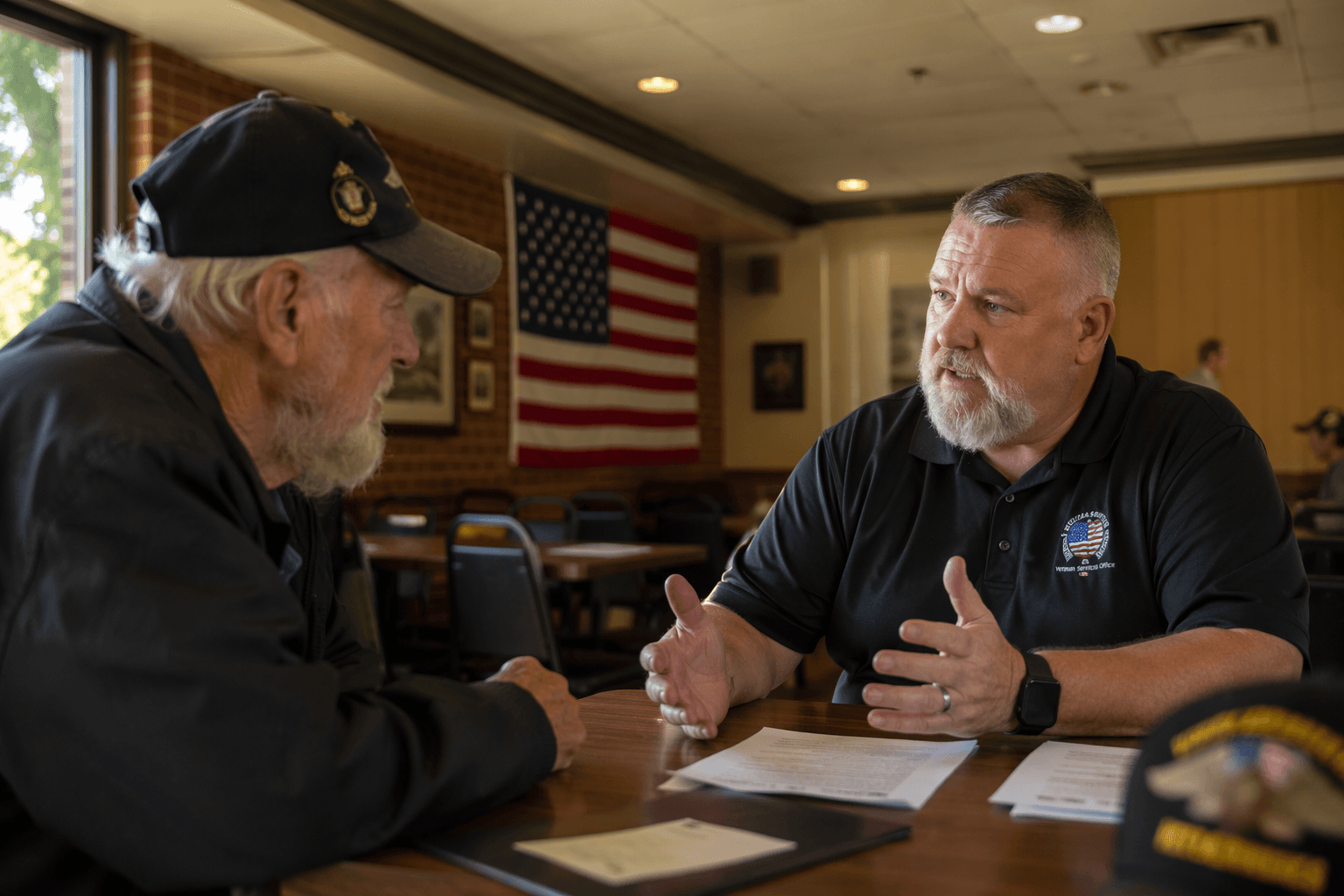
Lake County veterans can get real help from the county office, but not the kind that many people assume. Brad Anderson is trying to separate the Veterans Benefits Administration side of the VA from the Veterans Health Administration side, because confusion over that line can cost veterans time, missed appointments, and unnecessary frustration.
Where the county office starts and stops
In Lake County, the veterans service officer is a county employee and an accredited advocate, not a back door into every federal VA system. Anderson says his office can work with disability compensation, pension, dependency benefits, and other claims through the Veterans Benefits Administration, which means he can review claim status, help complete applications, and explain where a claim stands.
That help matters because the Minnesota Department of Veterans Affairs says the County Veterans Service Office is the primary source of contact for veterans benefits and services. In Minnesota, that local-first structure is reinforced by the Minnesota Association of County Veterans Service Officers, which says the state has more than 120 specially trained and certified county veterans advocates. For many veterans, that makes the county office the first stop even when the issue eventually belongs somewhere else.
But the county office has a hard boundary. Anderson says CVSOs cannot view medical records, talk treatment plans with clinicians, schedule appointments, refill prescriptions, or step into health-care communications simply because someone is a veteran. He also stresses that there is no secret phone line that skips the same automated systems everyone else uses.
What Lake County Veterans Services can do for you
Lake County’s office is still valuable, just in a different lane. Anderson’s role is to help veterans navigate the system, not replace it. If a claim is stalled, if paperwork is incomplete, or if a veteran is unsure which benefit applies, the county office can help identify the right next step and keep the claim from falling through the cracks.
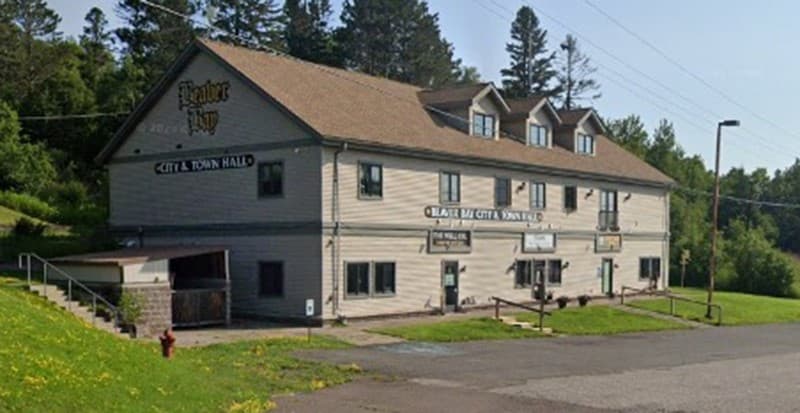
That local guidance matters in a county where the office itself is easy to find: Lake County lists Brad Anderson as the county veterans service officer at 616 3rd Avenue in Two Harbors, with the office phone number 218-834-8326. The location underscores the point that this is a county function rooted in Two Harbors, not a federal VA front desk.
Anderson’s broader message is practical: the county office often works best as a navigator. It can point veterans toward the correct office, the correct number, and the correct starting point when the federal system feels slow, confusing, or split into too many parts.
When the VA health-care side takes over
The handoff begins when the issue is medical care. Once a veteran needs treatment, scheduling, medication support, or clinical communication, the county office steps back and the VA health system takes over. That includes the Minneapolis VA Medical Center and the Community Care system, where veterans may need separate pathways depending on whether the care is inside the VA or from an outside provider.
For day-to-day health-care navigation, Anderson points veterans toward VA Health Connect at 833-983-0492. That number is meant to connect people with triage nurses, pharmacists, and scheduling help. For Community Care questions tied to authorizations, billing, or reauthorizations, Anderson gives a separate number: 612-467-6565.
The point is not simply to hand out phone numbers. It is to show that different problems belong to different systems. A claim for disability compensation does not move through the same doorway as a medication refill or a question about a specialist appointment.
What to do in an emergency
The clearest line is also the most urgent one. The U.S. Department of Veterans Affairs says veterans do not need to check with VA first before calling 911 or going to the nearest emergency department if their life or health is in danger. That rule matters because delay can be dangerous, and veterans should not waste time trying to reach approval before getting help.
If a veteran uses a non-VA emergency department, VA guidance says the emergency care should be reported within 72 hours of the start of emergent care. Anderson’s column echoes that deadline, and VA community emergency-care guidance says veterans, their representatives, and in-network community providers should report the visit within that same window.
The 72-hour rule is not just a technical detail. It is one of the places where veterans can lose momentum if they assume someone else will automatically handle the paperwork. In practice, the safest approach is to get treatment first when the situation is urgent, then make sure the event is reported quickly enough for VA coverage rules to be applied.
Why the rules keep getting misunderstood
Part of the confusion comes from the structure itself. The county veterans office is where many veterans are told to start, and in Minnesota that advice is backed by state guidance. But starting with the county office does not mean the county office controls the federal health system.
Anderson’s warnings about hearing loss, technology problems, and long hold times reflect a real service problem: veterans may already be struggling before they ever reach the right department. Limited staff also matters. A small county office can provide more personal help than a distant call center, but it still has to balance each veteran’s needs fairly and stay within its actual authority.
There is also a policy wrinkle behind the confusion. The federal government proposed an expansion of the VA’s 72-hour emergency-treatment notification process in 2025, which shows that these reporting rules remain active and evolving rather than simple one-time forms. That helps explain why veterans offices keep repeating the deadline and why people can still get tripped up by the process.
What Lake County veterans should remember
The county office can advocate, explain, and help file. It can track claims, connect veterans to the right federal lane, and reduce the chance that a paper trail gets lost. It cannot order care, access medical files, or override the VA health system.
That distinction is the whole story. For Lake County veterans, the smartest move is to call the county office for benefits questions and claims help, then switch to VA Health Connect, Community Care, or emergency services when the issue turns to medical care. Knowing which door to knock on first can save days of delay and keep a small misunderstanding from becoming a major setback.
This article was produced by Prism’s automated news system from verified source data, official records, and press releases, then run through automated quality and moderation checks before publishing. The system is built and supervised by the people who set the standards it runs under. Read our full AI policy.
Know something we missed? Have a correction or additional information?
Submit a Tip