Lake County veterans urged to narrow VA records requests
Lake County veterans can shorten VA record waits by naming the exact file they need, instead of asking for everything and triggering a longer review.
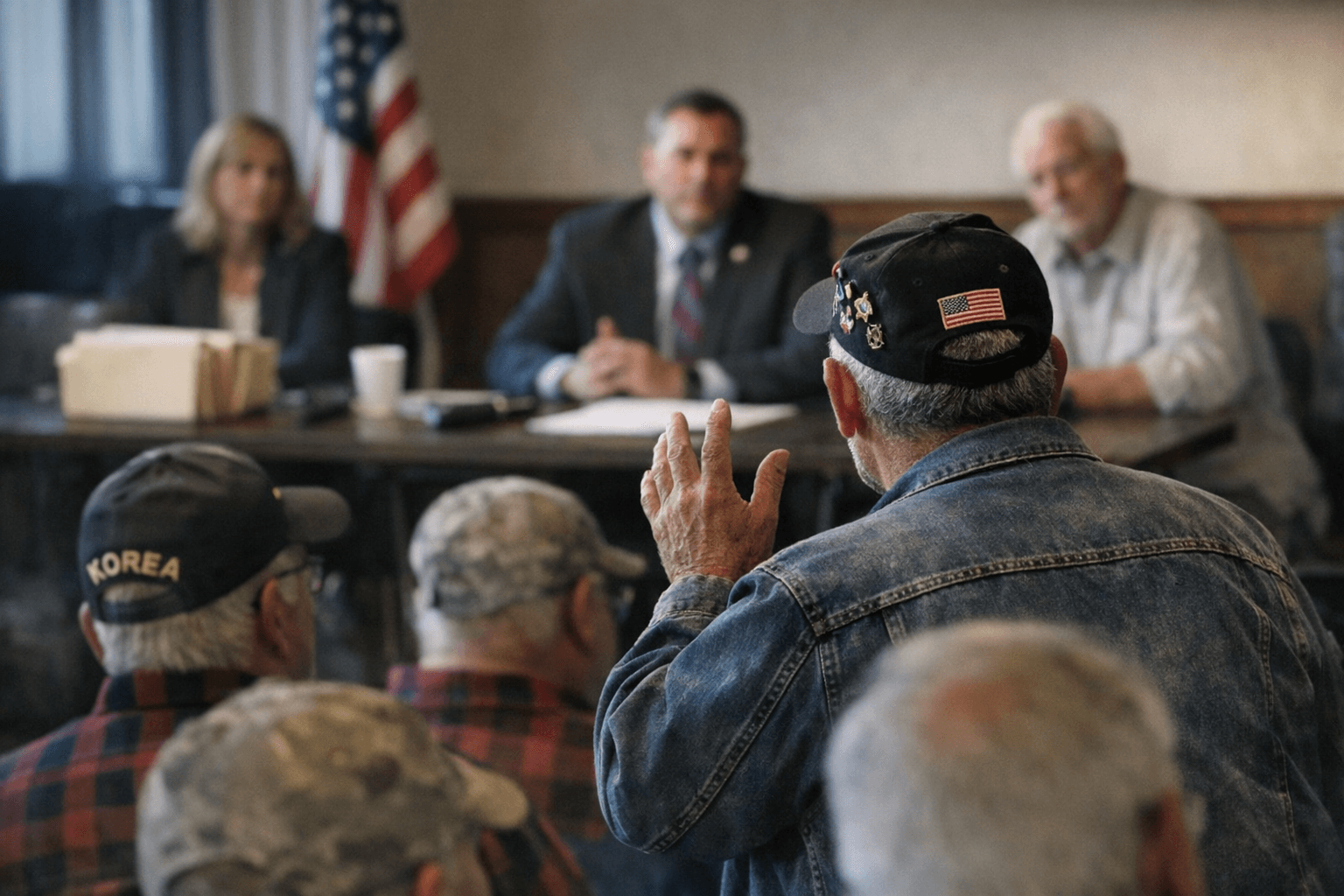
Lake County veterans who ask the Department of Veterans Affairs for “everything” often end up waiting the longest. The county veterans office says the better path is to match the request to the need, whether that is correcting a record, supporting a benefits claim, or getting a discharge document before a deadline closes in.
When a Privacy Act request makes sense
If the records are yours, the Privacy Act is usually part of the answer. Federal VA rules say requests for a person’s own records are generally handled under both the Freedom of Information Act and the Privacy Act, with separate protections also applying to some claims records and health records. That matters because the VA can release only what the law allows, and it may have to withhold or redact material that contains another person’s private information, internal agency deliberations, or information protected by statutes such as 38 U.S.C. 5701, 5705, or 7332.
For a Lake County veteran trying to fix a file, this is the tool to think about first. Use it when you need your own Veterans Benefits Administration records, a claims decision, a compensation and pension exam, or another personal VA record that could help show what happened in your case. VA Privacy Act guidance says veterans seeking their own VBA records can submit VA Form 20-10206 and can add identifiers such as a Social Security number or C-file number to help the agency locate the right file.
That level of detail is not a formality, it is the point. A request that clearly names the decision, exam, treatment period, or benefit issue gives the VA something concrete to search. A request that simply asks for your whole file invites delay, because staff still have to locate, sort, and review the records before anything can come out.
When FOIA is the better fit
FOIA is the right lane when the information is not just about you, or when you are seeking records that are handled as agency records rather than a personal file. But even when a veteran is asking for his or her own records, VA rules say the request can fall under both FOIA and the Privacy Act, which is why the process can feel tangled. The Office of Government Information Services has said that VA’s first-party request process sits at a complex and confusing intersection of the two laws.
VA also draws a hard line on how some records should be requested. Its FOIA guidance says requests for compensation and pension exams, C-files, and Veterans Benefits Administration benefit records should not be placed in the general FOIA form. Those records should go through the Evidence Intake Center or be submitted through AccessVA instead.
That distinction can save months. If the wrong request route is used, the file may be routed, reviewed, and re-reviewed before it reaches the right office. For a veteran waiting on discharge paperwork, a claim appeal, or records needed for a benefits filing, that kind of detour can matter more than the legal label on the request.
Why narrow requests move faster
The clearest warning from the VA’s own guidance is simple: be specific. The agency advises requesters to identify the type of record and the relevant time period so the request does not stall in processing. That advice is especially important because broad requests can force staff to manually review thousands of pages before release.
That is where many veterans lose time. Asking the VA to send “everything” sounds efficient, but it often slows the process because staff must determine what exists, what is releasable, and what must be withheld. Some material may be redacted because it includes another person’s private information or because it is protected by law.
A tighter request usually works better. A veteran might ask for a particular rating decision, a specific compensation and pension exam, records from a six-month stretch around a medical change, or the documents tied to one appeal. The more exact the request, the less guesswork the agency has to do.
What the wait can really look like
The delay problem is not theoretical. In fiscal year 2024, the National Archives’ Office of Government Information Services reported that VA acknowledged FOIA requests in an average of about two weeks. But veterans seeking their own records from the Veterans Benefits Administration waited an average of five months to receive them.
That is already a long wait for a file that may be needed for a claim, an appeal, or a correction. Larger or more complicated requests can take much longer, and the column’s basic warning is that these requests are generally lower priority than active compensation and pension claims. In other words, filing a records request does not put it ahead of a live benefits case that is already moving through the system.
For Lake County veterans, that timeline should shape expectations from the start. If a document is needed for a deadline, the safer move is to request only the records tied to that deadline and to work through the county veterans office at the same time.
Why Lake County veterans should be cautious about third parties
Another caution in the guidance is about who is handling the request and why. Veterans should be careful with non-accredited third parties who suggest filing a FOIA request so they can look through the records for them. The important question is not just whether someone can file paperwork, but whether the veteran knows who will see the information and what will be done with it.
That is especially important when the records include medical history, mental health information, benefits notes, or other sensitive material. Veterans should know exactly who has access to their personal information, and they should understand that a records request is not a shortcut around privacy rules. It is a formal disclosure process built for careful release, not instant delivery.
Where Lake County veterans can get help
Lake County Veterans Services says it provides claims assistance, benefit counseling, advocacy, help obtaining military discharges and documents, and discharge-upgrade assistance. The office lists Brad Anderson as County Veterans Service Officer and Melissa Crandall as Assistant County Veterans Service Officer.
The office is open Monday through Friday and serves veterans through the Lake County Courthouse and Law Enforcement Center in Two Harbors, the Lake County Health and Human Services building, and the Lake County Silver Bay Service Center in Silver Bay. For veterans trying to separate the right VA request from the wrong one, that local help can make the difference between a clean submission and a months-long delay.
The practical rule is straightforward: use the Privacy Act for your own records, use FOIA when the request reaches beyond your personal file, and be precise enough that the VA can find the record without sorting through an entire history. In a system where a two-week acknowledgment can still turn into a five-month wait, narrowing the request is often the fastest way to protect the benefits process you are trying to support.
This article was produced by Prism’s automated news system from verified source data, official records, and press releases, then run through automated quality and moderation checks before publishing. The system is built and supervised by the people who set the standards it runs under. Read our full AI policy.
Did this article answer your question?