Lake Superior School District weighs state funding impact on next budget
State aid changes could hit bus routes, special education transport and staffing in Two Harbors and Silver Bay as Lake Superior schools plan the next budget.
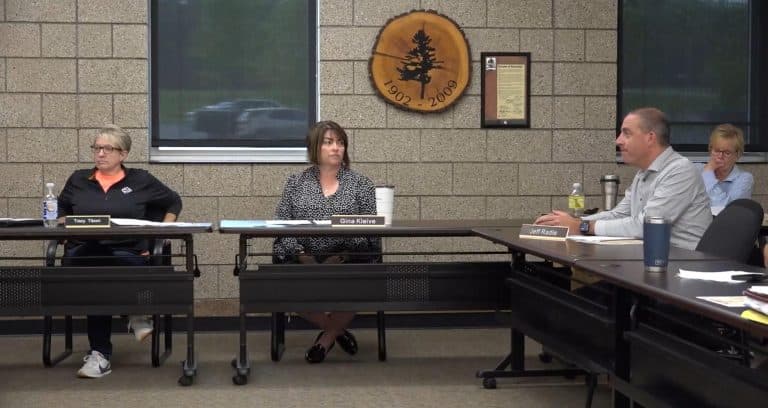
State funding changes could decide how much Lake Superior School District families, staff and taxpayers absorb in bus service, special education transportation and classroom staffing next year. At its June 9 regular meeting, the board weighed a new state education law that adds money overall but still leaves local leaders facing cuts, cost shifts and unanswered questions.
Lake Superior School District #381 serves Two Harbors and Silver Bay, and its board normally meets once a month, usually on the second Tuesday, at Two Harbors High School or William Kelley High School in Silver Bay. That local footprint matters because every budget decision reaches across a wide rural area, where getting students to school, keeping classrooms staffed and maintaining buildings all carry a higher price tag than in a compact district.
The district is also still carrying the weight of a $44.1 million school investment approved by voters on Nov. 2, 2021. The district says that referendum grew out of nearly a year of discussion with staff, parents, community leaders, residents and independent experts, and it was aimed especially at William Kelley School and Minnehaha Elementary. That makes state funding decisions especially consequential now: the district is still managing long-term facility obligations while trying to protect day-to-day operations.

Minnesota’s 2025 special-session K-12 education finance and policy law is a $25.73 billion package, and the House says it will increase school funding by $4.2 million in the 2026-27 biennium overall. But the same law also cuts teacher pipeline programs and trims special education pupil transportation reimbursement, leaving districts to sort out which costs will still be covered and which will fall back on local budgets. A Blue Ribbon Commission on Special Education is also required to deliver an action plan by Oct. 1, 2026, adding another layer of uncertainty for districts waiting on future policy changes.
That uncertainty lands hard in a district where a March 2025 North Shore Journal report said Lake Superior was running 11 bus routes with 22 buses in its fleet. In a rural system like this one, even a modest change in transportation reimbursement can ripple into local taxpayer costs, bus scheduling and the district’s ability to keep services steady over long distances.

The pressure is not limited to transportation. The district’s April 14, 2026 board minutes show the board approved a resolution calling for the layoff of all educational assistants. Against that backdrop, the biggest unanswered questions are how much state support will really reach Lake Superior, whether special education and transportation costs will keep rising faster than aid, and how much room the district will have to preserve staffing and facilities at a time when both are already under strain.
This article was produced by Prism’s automated news system from verified source data, official records, and press releases, then run through automated quality and moderation checks before publishing. The system is built and supervised by the people who set the standards it runs under. Read our full AI policy.
Did this article answer your question?